



What's Happening?
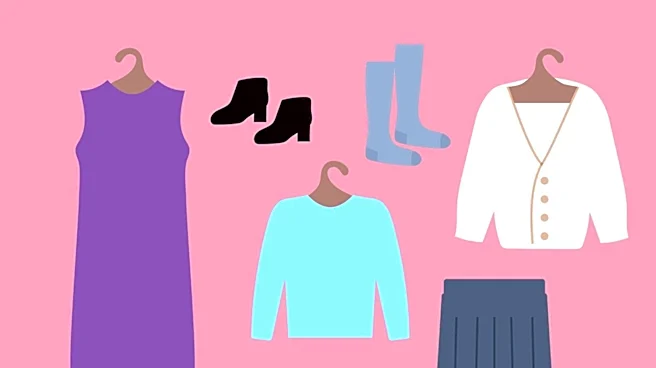
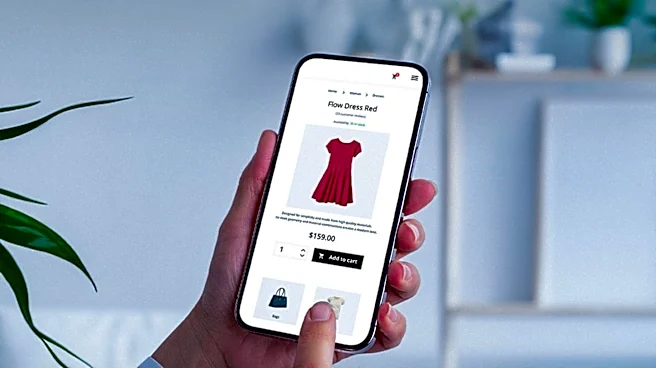
Digital wardrobe applications are gaining traction as tools to help individuals manage their clothing collections, visualize outfits, and experiment with personal style. These apps allow users to catalog their physical clothes virtually, creating a digital
representation of their wardrobe. This technology aims to address common issues such as cluttered closets and decision fatigue when choosing outfits. By digitizing their clothing, users can see what they own, mix and match items, and receive style suggestions. The concept is being discussed in various media, highlighting its potential to transform how people interact with their fashion choices and manage their personal style more efficiently. Fashion psychologists and industry experts are weighing in on the benefits of these digital tools for personal organization and style development.
Why It's Important?
The rise of digital wardrobe apps signifies a shift in consumer behavior towards more organized and sustainable fashion practices. For individuals, these apps offer a practical solution to reduce clothing waste by encouraging better utilization of existing garments and more thoughtful purchasing decisions. From an industry perspective, this trend could influence how fashion retailers engage with customers, potentially leading to integrations that allow users to see how new purchases would fit into their current digital wardrobe. The emphasis on personal style development through these platforms also suggests a growing market for personalized fashion technology, moving beyond simple e-commerce to more interactive and utility-focused applications. This could impact the broader lifestyle technology sector, fostering innovation in personal management tools.
What's Next?
As digital wardrobe apps continue to evolve, future developments may include more advanced AI integration for personalized style recommendations, virtual try-on features, and seamless integration with online shopping platforms. We can expect to see increased competition among app developers to offer unique features that enhance user experience, such as social sharing capabilities for outfit ideas or resale options for unwanted clothing. The adoption of these technologies could also lead to partnerships with fashion brands and stylists, creating a more interconnected ecosystem for personal style management. Further discussions and analyses from fashion experts and tech reviewers will likely shape public perception and adoption rates of these innovative tools.
Beyond the Headlines
Beyond the immediate utility of organizing clothes, digital wardrobe apps touch upon deeper psychological and cultural aspects of personal identity and consumption. These tools can empower individuals to cultivate a more authentic personal style by providing a structured way to understand their wardrobe and how it reflects their identity. Ethically, they promote conscious consumption by encouraging users to maximize their existing wardrobe, potentially reducing the environmental impact of fast fashion. Culturally, they represent a growing trend of digitizing various aspects of daily life, transforming mundane tasks into engaging digital experiences. This shift could also influence how fashion is perceived, moving it from a purely material pursuit to a more thoughtful and curated personal expression facilitated by technology.