








What's Happening?
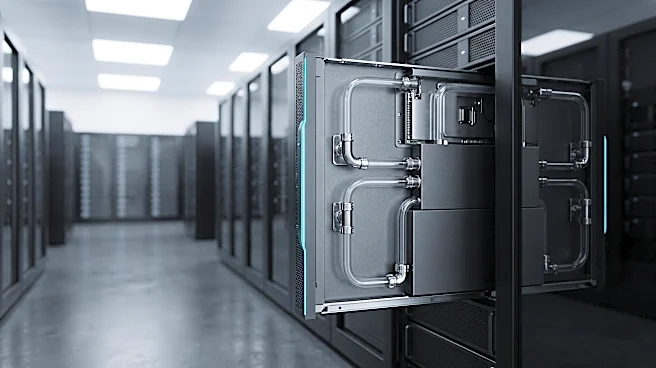
The artificial intelligence (AI) boom is creating significant demand for underlying infrastructure, including GPUs, memory, networking, storage, power, and data centers. This surge in demand is particularly relevant to the sports technology sector, where
AI-powered video, analytics, and data platforms are becoming increasingly prevalent. Companies like Applied Digital, which develops data center and high-performance computing infrastructure for AI and machine learning workloads, are at the forefront of this development. The cost and availability of this AI infrastructure are critical factors that will shape the economics of virtually every AI company, including those specializing in sports technology. The integration of AI is transforming various aspects of sports, from scouting and athlete monitoring to fan engagement and business intelligence, making the foundational infrastructure a key area of focus.
Why It's Important?
The escalating demand for AI infrastructure has broad implications across industries, particularly for the U.S. technology and sports sectors. The increasing reliance on AI in sports means that the performance and capabilities of sports-tech startups and established organizations are directly tied to the robustness and accessibility of data center capacity and high-performance computing. This trend highlights a shift where technology decisions are no longer confined to IT departments but are central to performance, media, commercial strategy, and fan engagement in sports. The economic viability of AI companies, including those in sports, will be heavily influenced by the cost and availability of this essential infrastructure, potentially leading to increased investment in data center development and related technologies within the U.S.
What's Next?
Looking ahead, the continued expansion of AI applications in sports and other sectors will likely drive further investment in data center capacity and high-performance computing. Companies involved in providing these foundational AI infrastructures will experience sustained growth. The sports-tech ecosystem is expected to move even closer to the broader technology and venture capital landscape, with technologies developed outside sports increasingly finding applications within teams and organizations. This convergence suggests that future innovations in sports technology may not originate specifically for sports but will be adapted from general AI advancements. Stakeholders will be watching for developments in AI infrastructure demand, data-center capacity, capital expenditure, and the ongoing demand for high-performance computing to gauge the trajectory of this trend.
Beyond the Headlines
The profound impact of the AI boom on infrastructure extends beyond immediate technological advancements, touching upon broader economic and strategic considerations. The significant capital expenditure required for AI infrastructure, such as data centers, raises questions about resource allocation and potential environmental impacts related to energy consumption. Furthermore, the increasing sophistication of AI tools and their integration into sports, from athlete performance analysis to fan personalization, could lead to ethical discussions regarding data privacy, algorithmic bias, and the changing nature of human involvement in sports. The long-term shift towards AI-driven operations in sports organizations also implies a need for a skilled workforce capable of managing and leveraging these advanced technologies, potentially influencing educational and training priorities in the U.S.