






What's Happening?
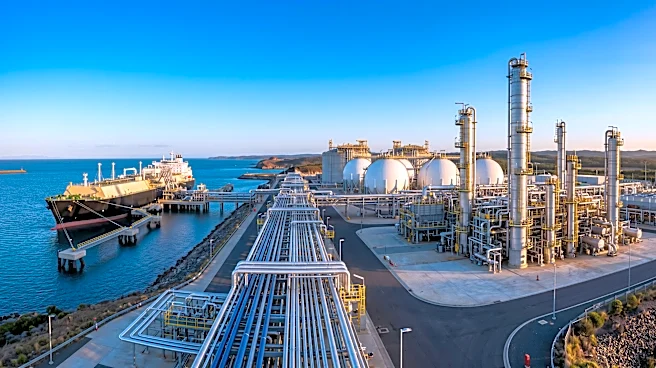
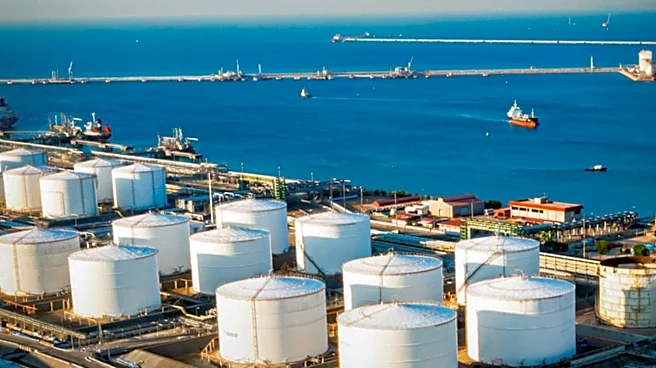
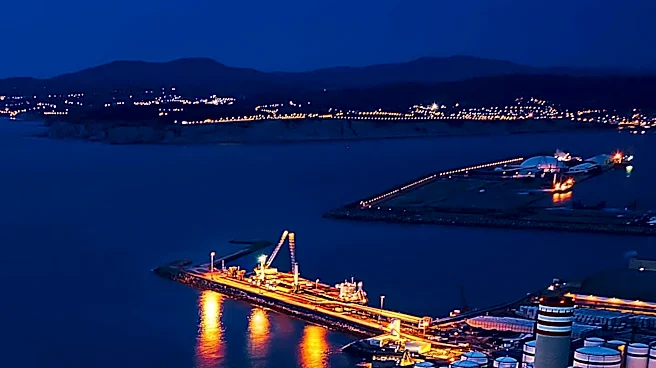
Cheniere Energy, Inc., an energy infrastructure company, is actively involved in liquefied natural gas (LNG) operations within the United States. The company owns and operates two significant LNG terminals: the Sabine Pass LNG terminal located in Cameron
Parish, Louisiana, and the Corpus Christi LNG terminal situated near Corpus Christi, Texas. To support these terminals, Cheniere Energy also manages crucial pipeline infrastructure. This includes the Creole Trail pipeline, a 94-mile natural gas supply pipeline that connects the Sabine Pass LNG Terminal with various interstate and intrastate pipelines. Additionally, the company operates the Corpus Christi pipeline, a 21.5-mile natural gas supply pipeline designed to interconnect the Corpus Christi LNG terminal with multiple interstate and intrastate natural gas pipelines. These facilities are integral to the company's primary business of engaging in LNG-related activities.
Why It's Important?
The operations of Cheniere Energy's LNG terminals and associated pipelines are critically important for the U.S. energy sector and its role in the global natural gas market. These facilities enable the liquefaction and export of natural gas, transforming it into a commodity that can be transported worldwide. The Sabine Pass and Corpus Christi terminals, along with their interconnecting pipelines, are vital components of the infrastructure that supports the growing demand for U.S. natural gas exports. This infrastructure contributes significantly to the U.S. economy by creating jobs, generating revenue, and strengthening the nation's position as a major energy exporter. The efficient functioning of these pipelines ensures a steady supply of natural gas to the terminals, which in turn supports energy security for importing nations and provides a market for domestic natural gas producers. Any disruptions to these operations could have ripple effects on global energy prices and supply chains.
What's Next?
As the global demand for natural gas continues to evolve, Cheniere Energy is likely to focus on optimizing the operations of its existing LNG terminals and pipeline networks. The company may explore opportunities for expansion or efficiency improvements to meet future market needs. Given the strategic importance of these facilities, ongoing maintenance and regulatory compliance will remain key priorities. The energy sector is subject to various market fluctuations, geopolitical developments, and environmental regulations, all of which could influence Cheniere Energy's future strategies. The company will also need to monitor advancements in energy technology and shifts in global energy policies to adapt its operations accordingly. Continued investment in infrastructure and technology will be crucial for maintaining its competitive edge in the LNG market.
Beyond the Headlines
The extensive LNG infrastructure operated by Cheniere Energy, particularly in Texas and Louisiana, highlights a broader shift in the U.S. energy landscape. The country has transitioned from being a net importer to a significant exporter of natural gas, largely due to the shale gas revolution and the development of liquefaction facilities. This transformation has profound geopolitical implications, allowing the U.S. to exert greater influence in international energy markets and provide an alternative to traditional gas suppliers. Environmentally, the role of natural gas as a 'bridge fuel' in the transition to renewable energy sources is a subject of ongoing debate, with its lower carbon emissions compared to coal being a key argument. The continued development and operation of such large-scale energy infrastructure also raise questions about land use, community impact, and the long-term sustainability of fossil fuel exports in the context of global climate goals.