





What's Happening?
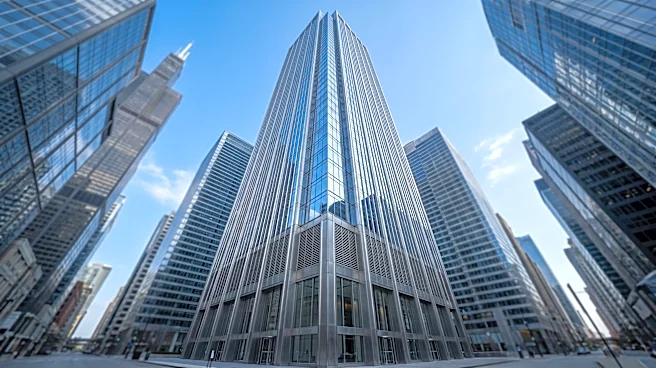
Office parks in San Ramon, California, including Bishop Ranch and Crow Canyon Place, are being transformed into residential areas. This shift is driven by persistent weak office demand, with overall Tri-Valley office vacancy rates reaching 18.3% in Q2
2026 and 22.3% in the North I-680 Corridor in Q3 2026. Landowners are actively seeking alternative uses for these underutilized properties. State legislation, specifically SB 330, has facilitated this trend by amending the Housing Accountability Act, which limits a city's discretion to deny or reduce the density of housing projects that meet objective development standards. Additionally, San Ramon's Mixed-Use Residential Emphasis zoning was specifically designed to encourage housing infill opportunities on such properties. Several projects are in various stages of development, with one conversion already selling homes, two having city approval, and others undergoing environmental review or still in the application phase. For instance, the Plaza San Ramon project involves removing two four-story office buildings to construct 120 detached homes and 102 affordable apartments.
Why It's Important?
This trend of converting office parks into residential communities in San Ramon is significant for several reasons. It addresses the growing demand for housing in California, particularly in areas with high housing costs, by repurposing existing infrastructure. The conversions also provide a solution for underperforming commercial real estate assets, allowing property owners to generate revenue from otherwise vacant spaces. For residents, these new developments offer diverse housing options, often in areas with established infrastructure and proximity to amenities. However, it also means that new residents will be moving into areas that were previously business districts, potentially leading to years of nearby construction and an increase in population density. The shift highlights a broader economic adjustment in the real estate market, where traditional office spaces are losing viability, prompting innovative urban planning and development strategies to meet evolving societal needs.
What's Next?
The conversion trend in San Ramon is expected to continue, with more filings for residential projects on former office sites anticipated. The largest project, The Orchards, has an approved master plan spanning 20 years, indicating a long-term transformation of the area. Buyers of new construction in these converted areas should be prepared for ongoing development and increased residential activity. City officials and developers will need to address concerns such as internal circulation, pedestrian and bicycle safety, traffic calming, and environmental considerations like sound walls and air filtration, as these sites are often located near major freeways. The success of these projects will likely influence similar conversions in other regions facing high office vacancies and housing shortages, potentially setting a precedent for future urban development models across the U.S.
Beyond the Headlines
The conversion of office parks into residential areas in San Ramon reflects a fundamental shift in urban planning and real estate utilization, moving away from car-dependent commercial zones towards more walkable, mixed-use communities. This transformation has deeper implications for local economies, public revenue, and the daily lives of residents. It challenges traditional notions of urban sprawl by promoting infill development and potentially reducing commute times and carbon footprints. The emphasis on affordable housing within some of these projects also addresses critical social equity concerns. However, the process also raises questions about the long-term integration of these new residential communities into existing urban fabrics, the potential strain on local services, and the preservation of green spaces. This trend could redefine the suburban landscape, fostering more dynamic and sustainable living environments while adapting to changing work patterns and housing demands.