




What's Happening?
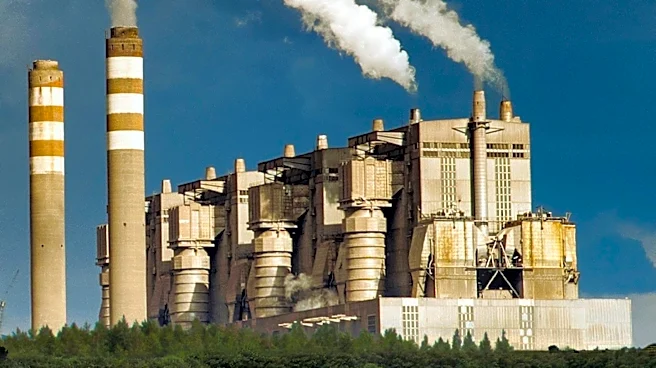
Vistra's stock has experienced a 20% decline this year, following a strong performance in 2025. This downturn is largely attributed to increased regulatory scrutiny over electricity deals, particularly concerning the allocation of costs for higher electricity prices
and grid expansions related to data centers. Regulators in major data center hubs are pushing back to prevent ratepayers from bearing these increased expenses. In Texas, outgoing Governor Greg Abbott had previously paused permits and ERCOT approvals while the grid operator audited grid impacts. Despite these challenges, Vistra has secured power purchase agreements with Meta Platforms and Amazon Web Services. These agreements stipulate that the hyperscalers will fund capacity upgrades, which addresses a significant concern regarding infrastructure costs and provides Vistra with long-term cash flow stability.
Why It's Important?
The regulatory pushback on electricity deals highlights a growing tension between the energy demands of rapidly expanding data centers, particularly those supporting artificial intelligence, and the financial burden on consumers. This situation could set a precedent for how energy costs associated with large-scale technological infrastructure are managed and distributed across the U.S. Vistra's strategy of directly contracting with hyperscalers and having them fund capacity uprates is a significant development. This model could become a blueprint for other power producers, shifting the financial responsibility for grid expansion and increased energy consumption to the direct beneficiaries, thereby potentially mitigating the impact on general ratepayers. The agreements also secure Vistra's financial outlook, protecting its cash flows and making its stock potentially attractive to investors bullish on long-term power demand from data centers.
What's Next?
Vistra's management forecasts adjusted EBITDA of $7.7 billion to $8.5 billion, with most of its 2027 capacity already hedged, which is expected to protect near-term cash flows. The company has also announced an additional $1.5 billion to its share repurchase program, aiming to capitalize on its current stock valuation. The ongoing regulatory environment will likely continue to shape how power producers engage with large energy consumers like data centers. Future developments may include further policy changes regarding energy infrastructure funding and cost allocation. Investors will be closely watching Vistra's ability to execute on its long-term agreements and manage regulatory pressures, especially as the demand for AI-driven data centers continues to grow.
Beyond the Headlines
The situation with Vistra and the broader energy sector underscores a critical ethical and economic debate: who should bear the cost of technological advancement? As artificial intelligence and data centers become increasingly integral to the U.S. economy, their substantial energy demands necessitate significant infrastructure investments. The regulatory scrutiny reflects a societal concern about equitable cost distribution and preventing undue burden on consumers. Vistra's direct agreements with hyperscalers represent a market-driven solution that could influence future energy policy and business models. This approach could lead to a more direct and transparent funding mechanism for energy infrastructure, potentially fostering greater accountability among large energy consumers and shaping the long-term financial landscape of the U.S. energy market.