



What's Happening?
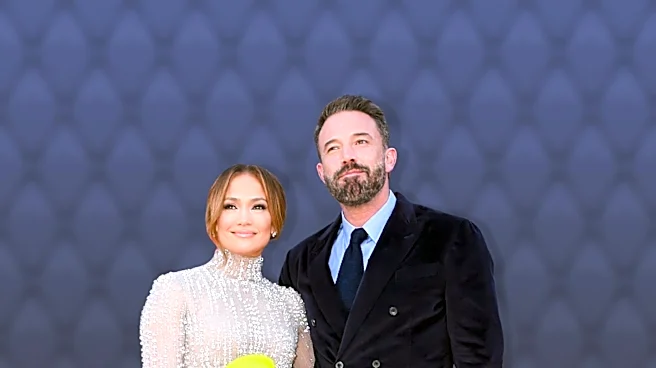
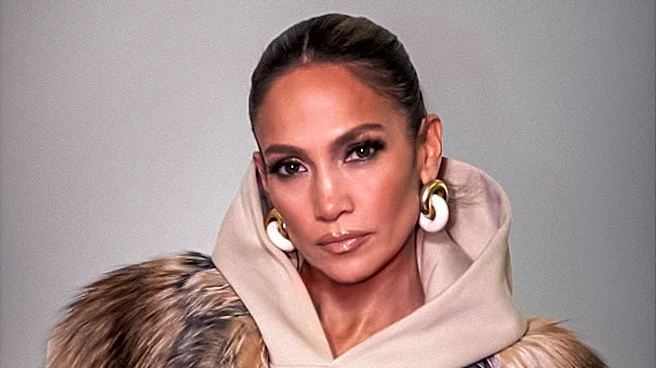
During Milan Fashion Week, Jennifer Lopez's longtime bodyguard unexpectedly became a viral sensation. Videos circulated online showing the silver-haired security guard expertly navigating Lopez through dense crowds of fans. Social media users quickly
dubbed him the 'hunky silver fox,' drawing significant attention to his efforts in keeping the singer-actor safe. Lopez herself acknowledged the internet's fascination by sharing a series of photos from Milan that prominently featured him, crediting Dolce and Gabbana in her caption. The bodyguard has been a consistent presence in Lopez's security detail for years, and the viral moments primarily highlighted his professional conduct in managing large crowds, including instances where Lopez held his hand for guidance. Despite the internet buzz, there is no indication of a romantic connection, as the bodyguard was noted to be wearing a wedding ring.
Why It's Important?
This incident highlights the unpredictable nature of viral content and how public attention can shift from celebrities to their entourages. For public figures like Jennifer Lopez, the constant scrutiny means that even supporting staff can become subjects of widespread interest, influencing public perception and media narratives. The phenomenon underscores the power of social media in shaping popular culture, where a brief interaction or a distinctive appearance can catapult an individual into unexpected fame. This can have implications for personal security teams, as increased public recognition might alter their operational dynamics and personal privacy. Furthermore, it demonstrates how brands and celebrities can subtly leverage or respond to organic social media trends, as seen with Lopez's decision to feature her bodyguard in her own posts, effectively engaging with the viral moment.
What's Next?
The viral attention on Jennifer Lopez's bodyguard is likely to be a fleeting moment in the broader landscape of celebrity news, though it may lead to increased recognition for him in future public appearances with Lopez. For other celebrities and their security teams, this event could serve as a case study in how public interactions are perceived and amplified online. It might prompt a re-evaluation of public engagement strategies during high-profile events, considering how even minor details can become major talking points. Social media users will likely continue to monitor Lopez's future outings for any further glimpses of her now-famous bodyguard, maintaining a niche interest that could resurface with new content. The incident also reinforces the ongoing trend of internet communities creating and popularizing nicknames and narratives around public figures and those associated with them.
Beyond the Headlines
Beyond the immediate viral sensation, this event touches upon broader themes of privacy, public image, and the commodification of attention in the digital age. The bodyguard, a professional performing his duty, found his personal appearance and actions scrutinized and celebrated without his direct consent or intention. This raises questions about the boundaries of public interest when individuals are associated with celebrities. It also subtly reflects societal perceptions of masculinity and attractiveness, as the 'silver fox' moniker suggests an appreciation for mature, protective figures. The incident also highlights the often-unseen labor involved in managing celebrity public appearances, where security personnel play a crucial role in maintaining order and safety, yet rarely receive individual recognition until an unusual circumstance brings them into the spotlight.