








What's Happening?
House Beautiful is revisiting its archives to showcase the 'House of the '90s,' a project that aimed to define the American dream home of that era. This initiative, originally featured in their February 1991 issue, was a collaboration with the American Wood
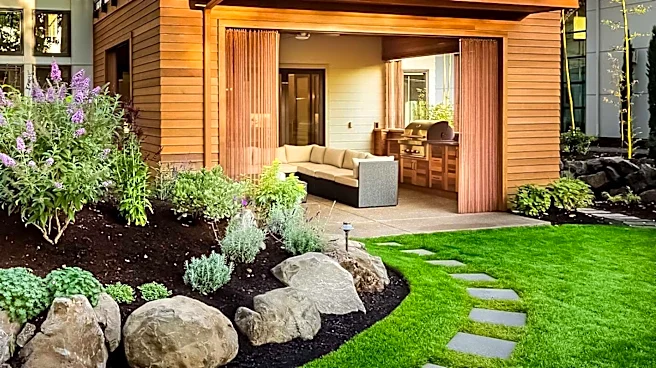
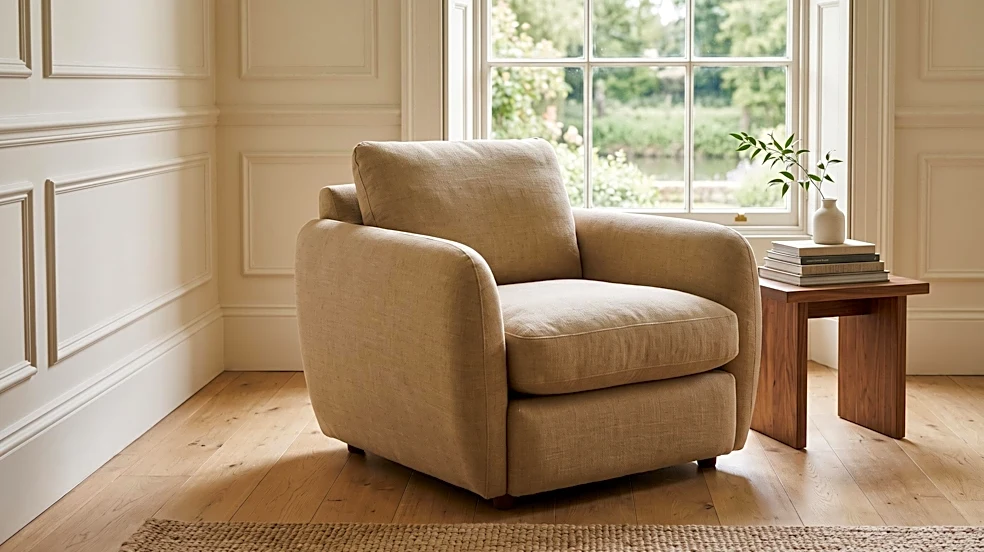
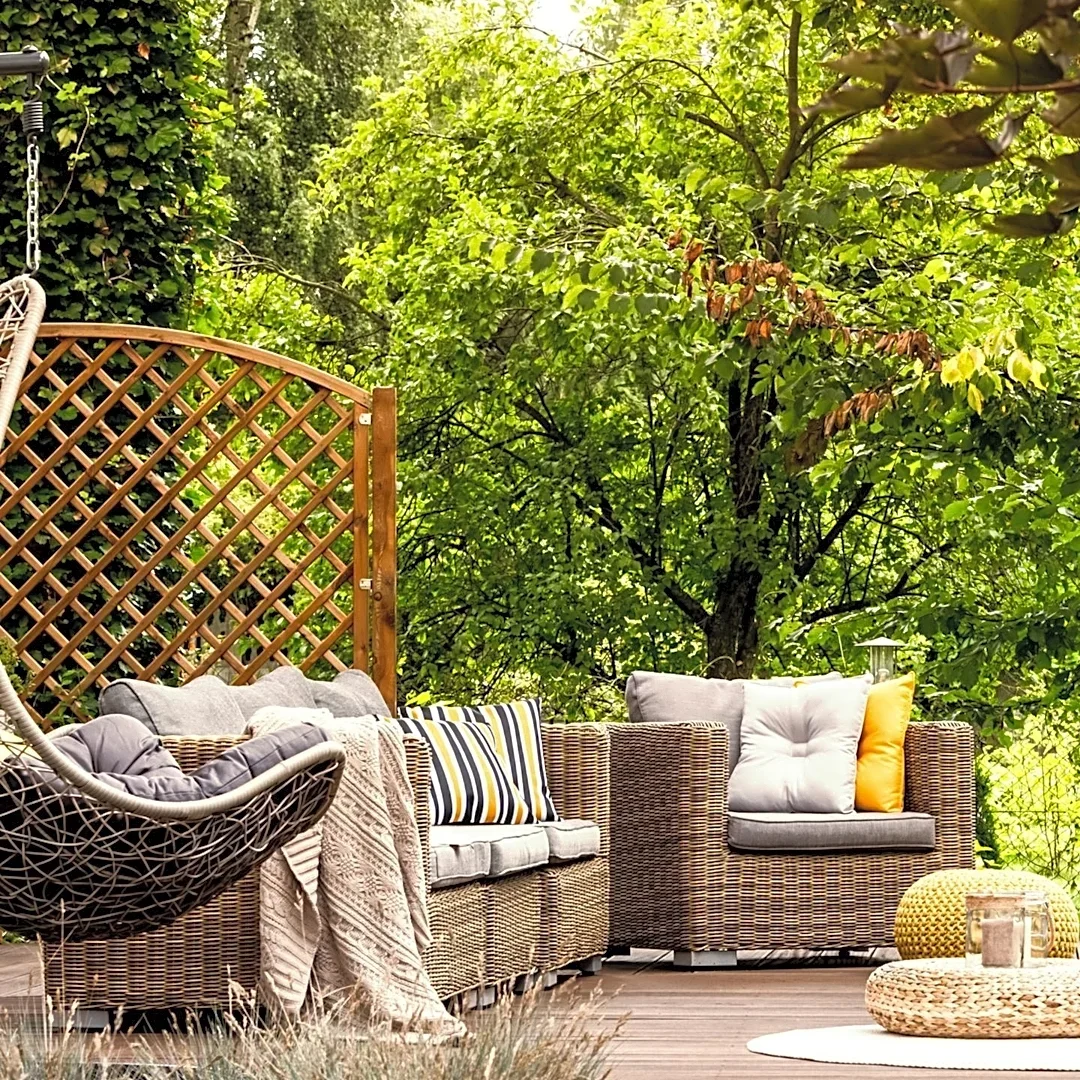
Council and involved architect Melanie Taylor and interior designer Nancy Braithwaite. The house, built on a riverbank in Georgia, blended relaxed traditionalism with family-friendly whimsy and suburban charm. Key design elements included warm, golden neutrals, flexible seating areas, and a mix of antiques with comfortable upholstery. The design emphasized both refuge and a new frontier, focusing on comfort, pared-down traditional styling, and practical spaces like big family kitchens and 'secret rooms' for children. The entrance hall, with its Georgian moldings, flowed into a porch designed for 1990s outdoor living, creating an indoor-outdoor axis.
Why It's Important?
This retrospective by House Beautiful offers valuable insights into the evolution of American home design and consumer preferences over the past few decades. Understanding the design principles and priorities of the 1990s, such as the blend of traditionalism with contemporary needs and the emphasis on comfort and family-centric spaces, provides context for current housing trends. For the U.S. housing and interior design industries, this historical perspective can inform future developments, highlighting enduring desires for functionality, comfort, and aesthetic appeal. It also underscores how design trends are often cyclical, with elements like indoor-outdoor living and flexible spaces remaining relevant. The project's focus on a 'sheltering, nurturing family center' reflects a timeless aspiration for homeowners, influencing how new homes are built and existing ones are renovated.
What's Next?
The re-examination of 1990s home design could inspire a resurgence of certain aesthetic and functional elements in contemporary U.S. homes. Designers and architects might draw inspiration from the 'relaxed traditionalism' and emphasis on comfort seen in the 'House of the '90s.' We may see a renewed interest in warm neutral palettes, flexible living areas, and integrated indoor-outdoor spaces, albeit with modern interpretations and sustainable materials. This archival review could also prompt further discussions within the design community about the long-term viability and adaptability of various architectural and interior design philosophies. Homeowners might look to these past trends for ideas on creating timeless and comfortable living environments that cater to family needs, potentially influencing renovation projects and new home constructions in the coming years.
Beyond the Headlines
The 'House of the '90s' project, as revisited by House Beautiful, reveals more than just design trends; it reflects the societal values and aspirations of Americans at that time. The desire for a home that served as both a 'refuge and a new frontier' speaks to a yearning for stability and personal growth within the domestic sphere. The emphasis on family-friendly spaces and comfort highlights a cultural priority on home life and well-being. This retrospective also subtly critiques the fleeting nature of some design trends while celebrating the enduring appeal of others. It suggests that while styles evolve, the fundamental human need for a functional, comfortable, and aesthetically pleasing living environment remains constant. The project's focus on integrating indoor and outdoor spaces also foreshadowed a growing appreciation for nature and outdoor living that continues to influence contemporary design.