






What's Happening?
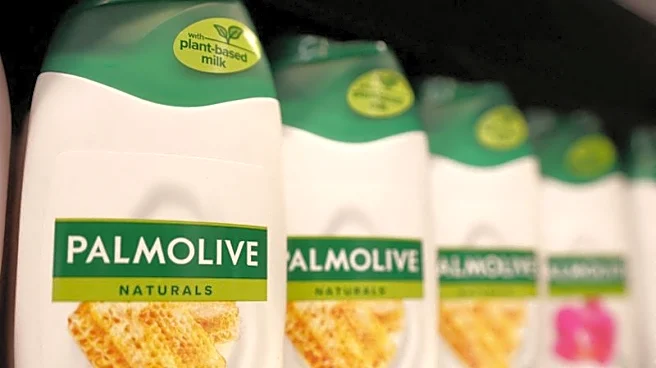
As U.S. consumers face ongoing financial pressures, major consumer goods companies like Coca Cola, Mondelez, Proctor & Gamble, and Hershey are introducing smaller product packages to appeal to budget-conscious shoppers. This trend is a response to the
demand for affordable options, with companies reporting success in offering products at lower price points. For instance, Coca Cola has introduced mini-cans, while Mondelez is developing new pack sizes. This shift is partly driven by consumers' need to manage expenses amid rising costs, such as gas prices, which have influenced purchasing behaviors.
Why It's Important?
The move towards smaller packaging reflects broader economic challenges faced by consumers, highlighting the need for companies to adapt to changing market conditions. This strategy allows companies to maintain sales volumes by offering products that fit within tighter household budgets. It also addresses consumer concerns about 'shrinkflation', where product sizes decrease without a corresponding price drop. By creating new package sizes, companies can transparently offer value while potentially encouraging healthier consumption patterns through smaller portion sizes. This trend underscores the importance of flexibility and innovation in consumer goods marketing.