




What's Happening?
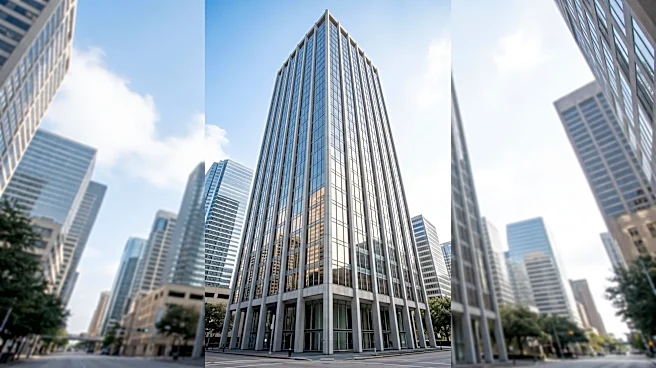
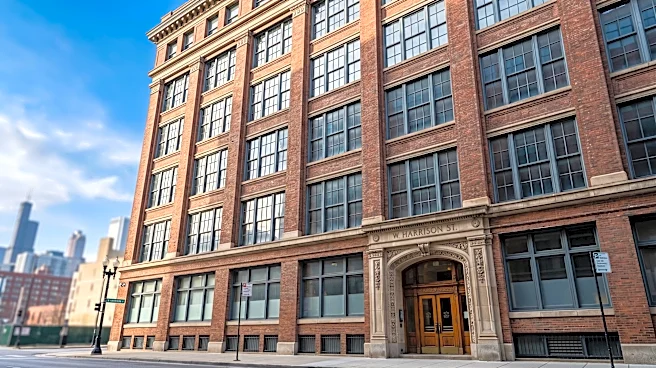
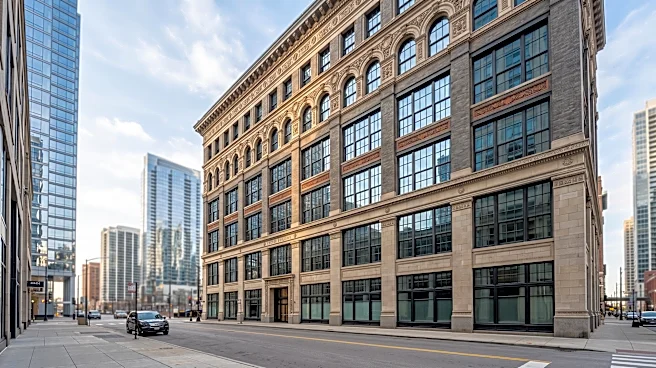
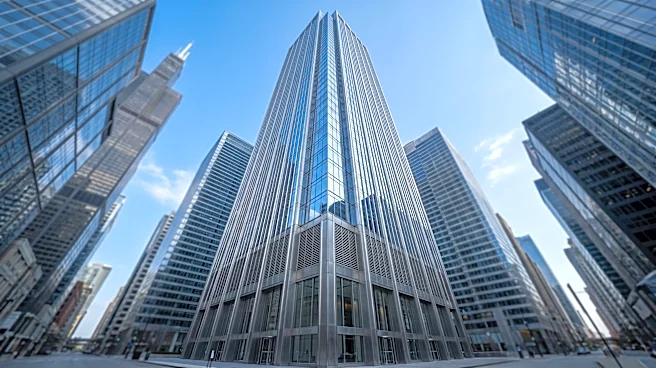
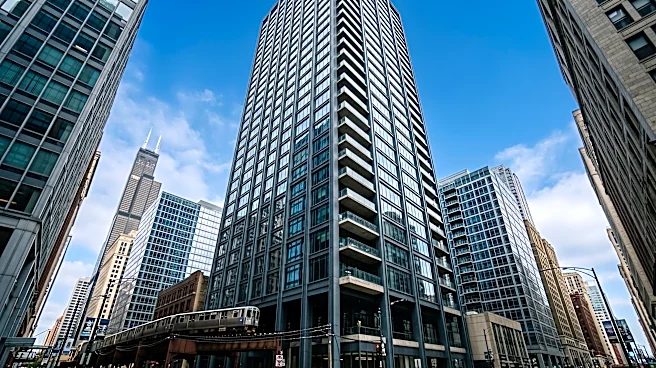
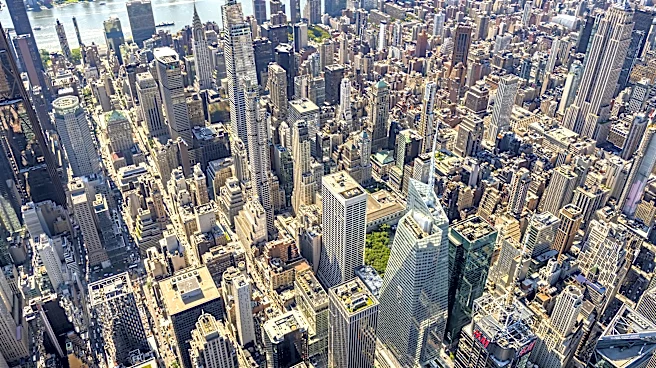
A proposal is underway in Chicago to convert an existing office tower into 70 residential apartments. This initiative is part of a broader trend observed in various locations, including Lowestoft and Mountfield, where empty office spaces are being repurposed
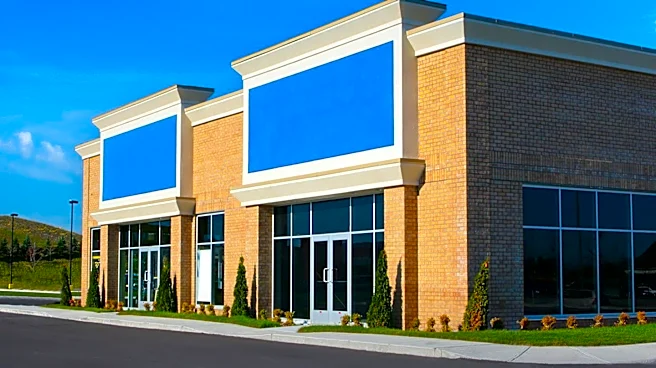
into residential units. In Lowestoft, plans involve transforming vacant offices above a shop into two new flats, while in Mountfield, an empty office space is slated to become a one-bedroom apartment. These conversions highlight a strategic shift in urban development, addressing the increasing vacancy rates in commercial office buildings by transforming them into much-needed housing. The Chicago project, if approved, would contribute significantly to the city's housing stock by utilizing underutilized commercial real estate.
Why It's Important?
The conversion of office towers into residential apartments, as proposed in Chicago, carries significant implications for urban planning and real estate markets across the U.S. This trend offers a dual solution to pressing urban challenges: it revitalizes struggling commercial districts plagued by high office vacancies and simultaneously addresses the critical shortage of housing. For cities like Chicago, repurposing office buildings can inject new life into downtown areas, fostering mixed-use environments that support local businesses and enhance urban vibrancy. Developers stand to gain by finding new revenue streams for properties that might otherwise remain vacant, while residents benefit from increased housing options, potentially in prime urban locations. This approach also promotes sustainable development by reusing existing structures rather than expanding into new greenfield sites, reducing construction waste and urban sprawl. However, challenges such as zoning regulations, structural modifications, and financing models need to be carefully navigated for these projects to be successful and scalable.
What's Next?
The Chicago proposal for converting an office tower into 70 apartments will likely proceed through various stages of urban planning and regulatory review. This process typically involves public hearings, environmental impact assessments, and securing necessary permits and approvals from city authorities. The success of this project could serve as a blueprint for similar conversions in other major U.S. cities facing similar challenges with office vacancies and housing shortages. Potential reactions from stakeholders will vary; local residents might express concerns about increased population density or infrastructure strain, while housing advocates will likely support the creation of new residential units. Businesses in the vicinity could see an increase in foot traffic and customer base, benefiting from the influx of new residents. The outcome of this and similar projects will influence future urban development policies and investment in adaptive reuse strategies across the country.
Beyond the Headlines
The trend of converting empty office spaces into residential units, exemplified by the Chicago proposal, reflects a fundamental shift in how urban centers are perceived and utilized in the post-pandemic era. Beyond merely addressing vacancy rates and housing shortages, this movement has deeper implications for urban identity and community structure. It challenges the traditional segregation of commercial and residential zones, promoting a more integrated, 24/7 urban experience. This adaptive reuse can foster more walkable and sustainable communities, reducing reliance on commuting and enhancing local economies. However, it also raises questions about the affordability of these new units, the preservation of architectural heritage, and the potential for gentrification. The long-term success of these conversions will depend on thoughtful planning that balances economic viability with social equity, ensuring that these revitalized spaces serve the diverse needs of urban populations and contribute to resilient, inclusive cities.