








What's Happening?
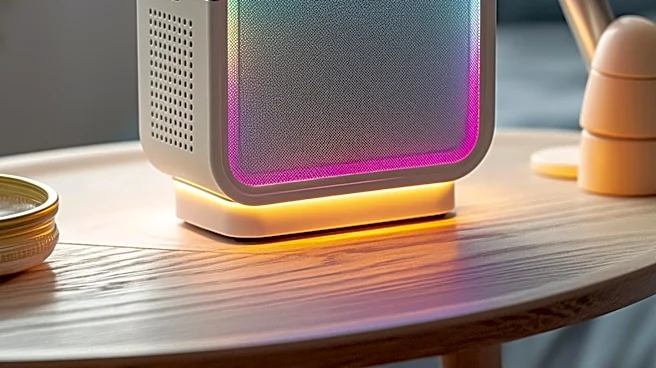
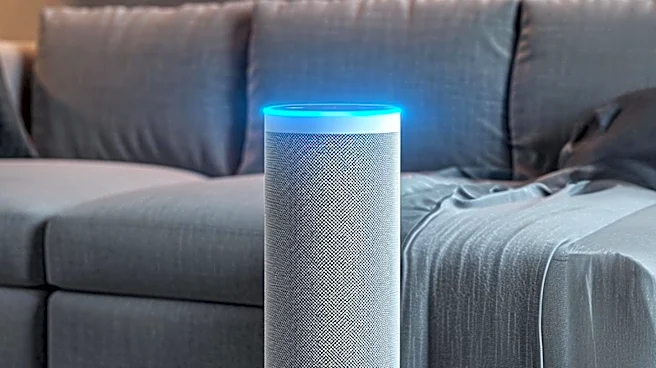
OpenAI is reportedly developing its first hardware device, a screenless smart speaker with integrated AI capabilities. This device is designed to sync with ChatGPT and provide various home AI services. Unlike traditional smart speakers, this device is described
as having a 'personality' and the ability to learn about its owner over time, offering personalized services. The speaker is also said to include mechanical elements that can move independently, aiming to create a more interactive and human-like experience. This development comes amid legal challenges, as Apple has sued OpenAI for alleged trade secret theft, although OpenAI denies any wrongdoing.
Why It's Important?
The introduction of a new AI-driven hardware device by OpenAI signifies a shift in the consumer technology landscape, potentially challenging established players like Apple. This move could accelerate the adoption of AI in everyday household devices, enhancing user interaction and personalization. However, the legal battle with Apple highlights the competitive and contentious nature of the tech industry, where intellectual property and innovation are closely guarded. The outcome of this legal dispute could have significant implications for OpenAI's market entry and the broader AI hardware sector.
What's Next?
As OpenAI continues to develop its smart speaker, the company will likely focus on resolving its legal issues with Apple. The tech industry will be watching closely to see how this dispute unfolds, as it could impact future collaborations and competition in AI hardware. Additionally, OpenAI's entry into the hardware market may prompt other AI companies to explore similar ventures, potentially leading to increased innovation and competition in the sector.