





What's Happening?
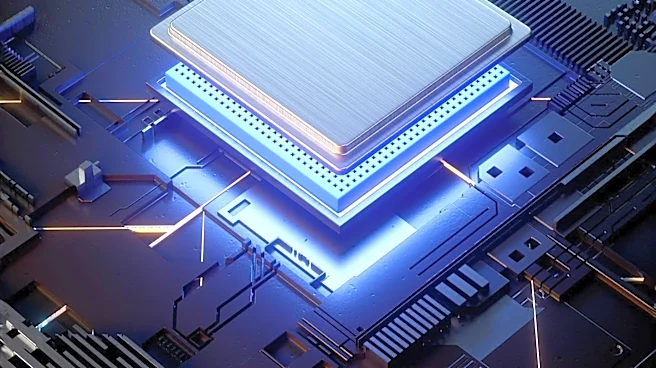
The Pittsburgh Supercomputing Center (PSC) has secured a $5 million grant from the National Science Foundation to develop TangleLab, a hybrid quantum-classical supercomputing testbed. This project, in collaboration with HPE and Rigetti Computing, aims
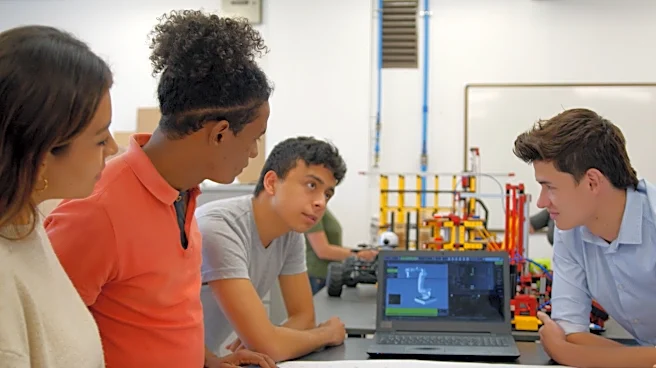
to integrate quantum processing units with high-performance computing systems. TangleLab will provide researchers, educators, and students with access to advanced computing resources, facilitating research in quantum computing and artificial intelligence. The initiative is part of a national effort to advance quantum information science and develop a quantum-ready workforce.
Why It's Important?
The development of TangleLab represents a significant step forward in the integration of quantum computing with classical computing systems. This hybrid approach is expected to enhance computational capabilities, particularly in fields like chemistry, cryptography, and optimization. By providing hands-on access to cutting-edge technology, TangleLab will play a crucial role in training the next generation of scientists and engineers, ensuring the U.S. remains competitive in the global technology landscape. The project also highlights the growing importance of quantum computing in addressing complex scientific and industrial challenges.
What's Next?
Construction of TangleLab is scheduled to begin on September 1, 2026, with full operations expected in 2027. The PSC plans to allocate computing time through a competitive proposal process, allowing researchers and educators to utilize the system for various projects. As the project progresses, it is likely to attract interest from academic institutions and industry partners looking to explore the potential of hybrid quantum-classical computing. The success of TangleLab could pave the way for similar initiatives, further integrating quantum technologies into mainstream computing environments.