





What's Happening?
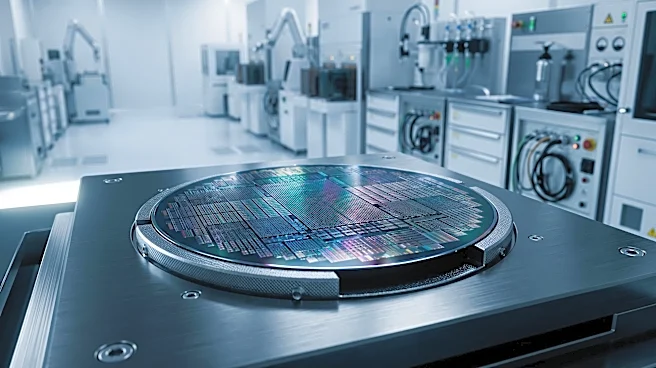
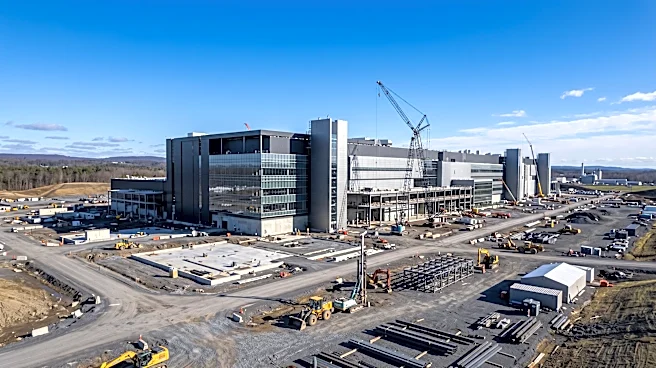
Federal policy, particularly the CHIPS and Science Act enacted in 2022, is actively shaping investment in the U.S. electronics manufacturing sector, specifically semiconductors. This legislation supports the expansion of domestic semiconductor manufacturing,
research, and development. In July 2026, the U.S. Department of Commerce announced proposed federal incentives totaling $874 million across seven letters of intent for semiconductor research and development projects. These initiatives cover critical areas such as advanced packaging, substrates, materials, memory technologies, and computing architectures. The broader electronics industry supply chain, including PCB fabrication, electronics assembly, and materials development, is directly impacted by these advancements. As manufacturing capabilities evolve, there is an increasing demand for specialized engineering expertise and technical personnel. However, despite increased investment, employment growth is not guaranteed, as hiring depends on customer demand, capital availability, and the crucial factor of a qualified workforce.
Why It's Important?
The federal investment in semiconductor manufacturing is crucial for U.S. national security and economic competitiveness, aiming to reduce reliance on overseas suppliers and strengthen domestic supply chains. The projected growth of nearly 115,000 jobs in the U.S. semiconductor workforce by 2030 highlights the significant economic opportunity. However, a substantial challenge looms, as approximately 67,000 of these positions could remain unfilled if current education and workforce trends continue. This potential talent gap could hinder the effectiveness of federal investments and the overall growth of the electronics manufacturing sector. Companies in the electronics industry stand to gain from enhanced domestic capabilities and reduced supply chain vulnerabilities, but they also face the imperative to invest in workforce development and education to meet future demands. The success of these initiatives hinges on bridging the gap between technological advancement and human capital development.
What's Next?
The future of electronics manufacturing jobs will be influenced by ongoing federal policy decisions, private investment, and technological advancements. The political landscape following the 2026 midterms will shape congressional priorities regarding manufacturing incentives, research funding, and workforce development. While some initiatives, particularly those linked to national security, may continue to receive bipartisan support, others could face shifting priorities. For employers, this creates uncertainty in workforce planning, necessitating a proactive approach to talent development rather than reactive hiring. Companies are encouraged to build relationships with potential employees, identify emerging technical requirements, and strengthen partnerships with educational institutions. The Semiconductor Industry Association's recommendations emphasize expanding engineering education, enhancing technician training, and fostering collaborations among employers, universities, and workforce development organizations to prepare a skilled workforce for emerging opportunities.
Beyond the Headlines
The significant federal investment in semiconductors underscores a broader strategic shift towards re-shoring critical manufacturing capabilities and bolstering technological independence. This move has profound implications for U.S. industrial policy, potentially setting a precedent for other strategic sectors. Beyond the immediate economic benefits, the initiative highlights a critical societal challenge: the need for a robust educational pipeline that can produce the specialized talent required for advanced manufacturing. The projected shortfall of skilled workers suggests a systemic issue in aligning educational outcomes with industry needs. Addressing this will require sustained collaboration between government, industry, and academia to develop comprehensive training programs and attract new talent to STEM fields. The long-term success of these policies will not only be measured in economic output but also in the nation's ability to cultivate a resilient and skilled workforce capable of sustaining technological leadership.