








What's Happening?
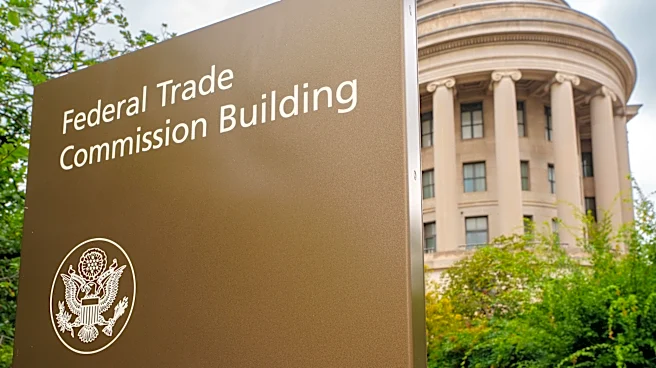
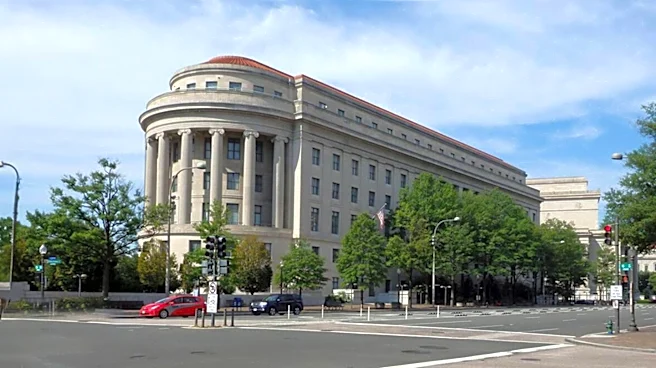
The Federal Trade Commission's (FTC) Bureau of Consumer Protection (BCP) has launched a new Rule Guidance Program. This initiative allows businesses and industry groups to seek clarification on ambiguities within existing FTC rules. Stakeholders can submit
questions regarding genuine ambiguities, substantive conflicts between FTC rules and other statutes, or other significant issues with Commission rules. If the BCP determines an issue warrants guidance, staff may issue a public response. This program aims to provide a mechanism for businesses to address compliance questions proactively, rather than waiting for potential enforcement actions to understand the FTC's interpretation of its regulations. However, the BCP will not address questions that can be resolved by reviewing existing rules, guidance, or formal advisory opinions, nor is it intended to outsource routine compliance judgments.
Why It's Important?
This new program offers a significant avenue for U.S. businesses to navigate the complexities of FTC regulations, potentially reducing compliance risks and fostering a more predictable regulatory environment. By providing a direct channel for clarification, the FTC could help companies avoid inadvertent violations and the associated penalties. This is particularly important for industries operating under evolving or broadly worded consumer protection laws. While the guidance provided is not binding on the Commission or the public, it offers valuable insight into the BCP's interpretation, which can inform business practices and investment decisions. Companies that proactively utilize this program may gain a competitive advantage by ensuring their operations align with regulatory expectations, potentially mitigating future legal challenges and financial liabilities.
What's Next?
Businesses and industry groups are now able to submit questions to the BCP through this new program. Companies will need to carefully consider which questions are appropriate for submission, focusing on genuine ambiguities rather than routine compliance matters. The BCP retains discretion over which issues it will address and when. The responses issued by the BCP will be made publicly available, allowing other businesses to benefit from the clarifications. Stakeholders should also be aware that any questions submitted and their corresponding answers could potentially be discoverable in future litigation, which might be used by the FTC to demonstrate a company's knowledge of a rule's interpretation in enforcement actions. The effectiveness and impact of this program will become clearer as the BCP begins to issue guidance on submitted issues.
Beyond the Headlines
The introduction of the Rule Guidance Program reflects a broader trend in regulatory bodies to enhance transparency and provide clearer guidelines for compliance, aiming to balance enforcement with proactive education. This initiative could lead to a more collaborative relationship between the FTC and the business community, potentially fostering innovation by reducing regulatory uncertainty. However, the non-binding nature of the guidance and the potential for submitted questions to be used in future litigation highlight the delicate balance businesses must strike. While seeking clarity is beneficial, companies must also be strategic in their inquiries to avoid inadvertently creating evidence that could be used against them. This program could also influence the development of future FTC rules, as the BCP gains a clearer understanding of the practical challenges businesses face in interpreting existing regulations.