






What's Happening?
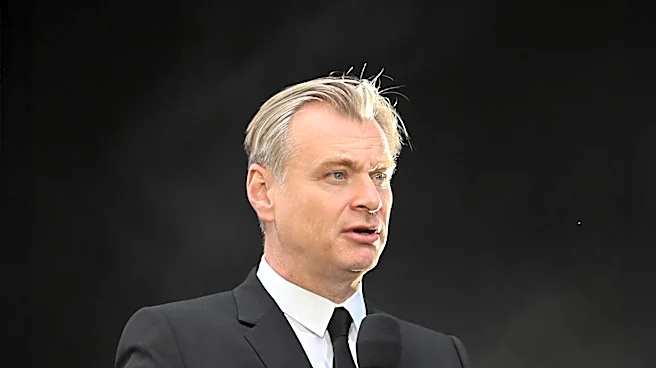
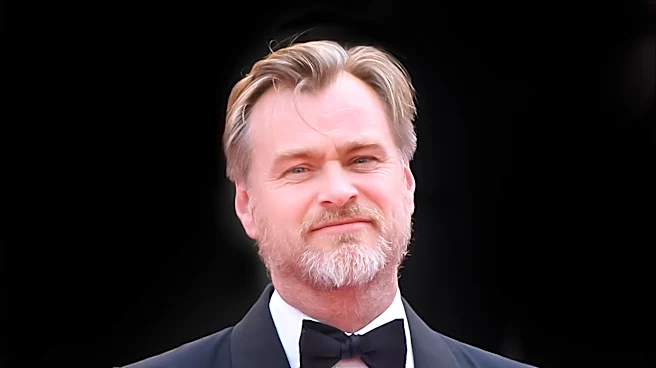
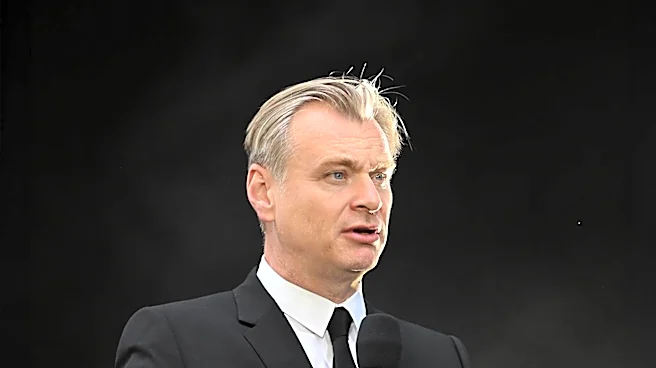
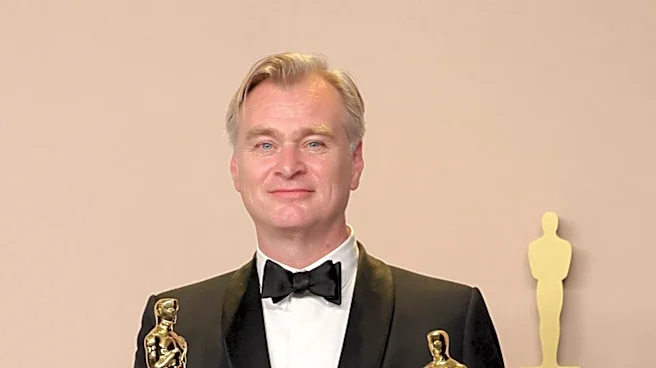
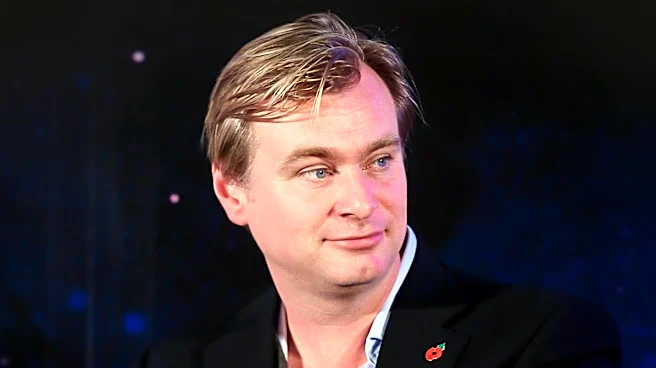
Christopher Nolan, during a press conference in Mumbai, humorously addressed the potential criticisms of his adaptation of Homer's 'The Odyssey'. He acknowledged that adapting such a revered work invites strong opinions, but emphasized his focus on creating
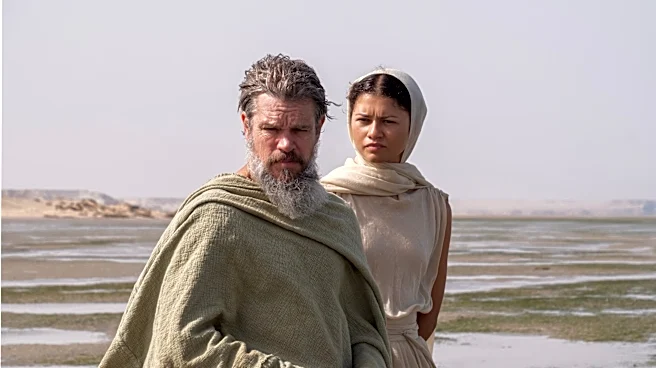
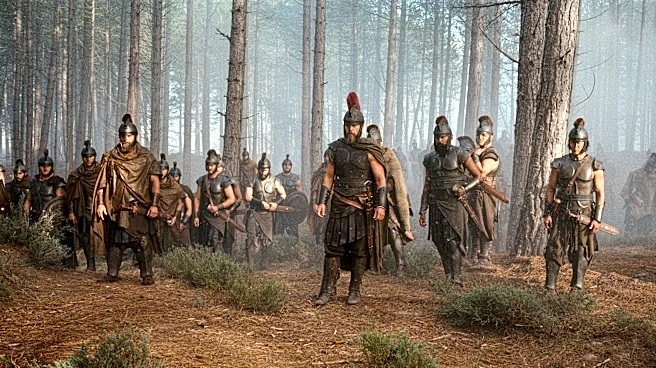
a cinematic experience rather than a historical documentary. Nolan's adaptation features modern American accents and has sparked discussions about historical authenticity. He defended his creative choices, stating that his goal was to convey emotional meaning through dialogue and to respect the original source by making the best film possible. The film stars a notable cast including Matt Damon and Anne Hathaway.
Why It's Important?
Nolan's approach to 'The Odyssey' highlights the ongoing debate in the film industry about balancing artistic interpretation with historical accuracy. This discussion is crucial as it influences how classic literature is adapted for modern audiences, potentially affecting educational and cultural perceptions. For the U.S. film industry, Nolan's choices may set a precedent for future adaptations, encouraging filmmakers to prioritize narrative and emotional impact over strict adherence to historical details. This could lead to more innovative storytelling techniques and broaden the scope of how classic stories are presented to contemporary audiences.
What's Next?
As 'The Odyssey' approaches its release on July 17, its reception will likely influence future adaptations of classic literature. The film's success or failure could impact how filmmakers approach similar projects, potentially leading to more creative liberties in storytelling. Additionally, audience reactions may prompt further discussions about the role of historical accuracy in film, influencing both filmmakers and audiences in their expectations of adaptations. The film industry may also see a shift towards more diverse interpretations of classic works, reflecting changing cultural and societal values.