







What's Happening?
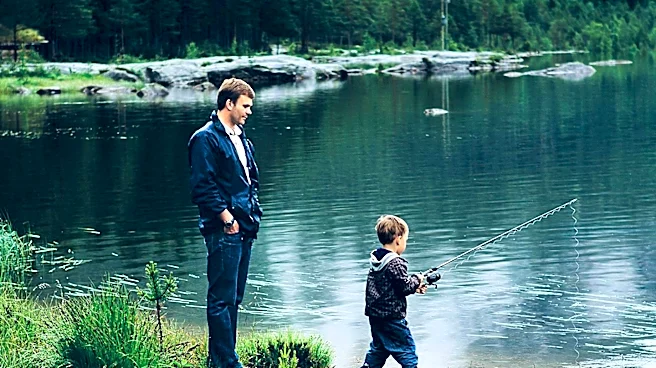
The North Dakota Game and Fish Department, in collaboration with Lure’em For Life and the Devils Lake Park Board, recently conducted its annual fish camp at Devils Lake. This program aims to educate children about various aspects of fishing and fish ecology.
Participants learn practical skills such as knot tying and fish identification, alongside theoretical knowledge covering fish ecology, biology, and ecosystem dynamics. Jeff Long, the North Dakota Game and Fish Department education coordinator, emphasized that the camp goes beyond just fishing, providing a comprehensive understanding of the aquatic environment. The daily activities are structured into two groups: one group engages in fishing from boats with volunteers, while the other attends shore-based classes led by Game and Fish staff and volunteers, covering topics like netting and fish growth. The groups then switch activities in the afternoon, ensuring all participants gain both practical and theoretical experience.
Why It's Important?
This annual fish camp plays a crucial role in fostering an appreciation for outdoor activities and environmental stewardship among young people in North Dakota. By teaching children about fish ecology and responsible fishing practices, the program helps cultivate a new generation of conservationists. The involvement of volunteers is vital, highlighting community engagement in supporting youth development and outdoor education. Such initiatives are important for promoting healthy lifestyles, providing educational opportunities outside traditional classroom settings, and ensuring the continuity of recreational fishing, which is a significant cultural and economic activity in many U.S. states. Furthermore, by introducing children to the complexities of aquatic ecosystems, the camp contributes to a broader understanding of environmental science and the importance of preserving natural resources.
What's Next?
The success of the Devils Lake fish camp suggests that similar youth outdoor education programs will continue to be a priority for the North Dakota Game and Fish Department and its partners. Future camps will likely continue to rely heavily on volunteer support, and efforts to recruit and train more volunteers may be expanded. The department may also explore opportunities to broaden the curriculum or introduce new activities to keep the program engaging and relevant. Given the positive feedback from participants, there could be increased demand for such camps, potentially leading to more sessions or expanded capacity in the coming years. Individuals interested in contributing to these efforts are encouraged to contact Jeff Long for volunteer opportunities, indicating a continuous need for community involvement to sustain and grow the program.
Beyond the Headlines
Beyond the immediate benefits of teaching fishing skills, programs like the Devils Lake fish camp contribute to the development of critical life skills such as patience, problem-solving, and teamwork. Spending time in nature has well-documented benefits for mental and physical well-being, offering a respite from increasingly screen-dominated childhoods. These camps also serve as a vital link between younger generations and the natural world, helping to combat 'nature deficit disorder' and fostering a sense of connection to local ecosystems. The emphasis on volunteerism also strengthens community bonds and promotes civic engagement, demonstrating how collective effort can create meaningful educational experiences. Ultimately, such initiatives are foundational for building a society that values and actively participates in environmental conservation and outdoor recreation.