








What's Happening?
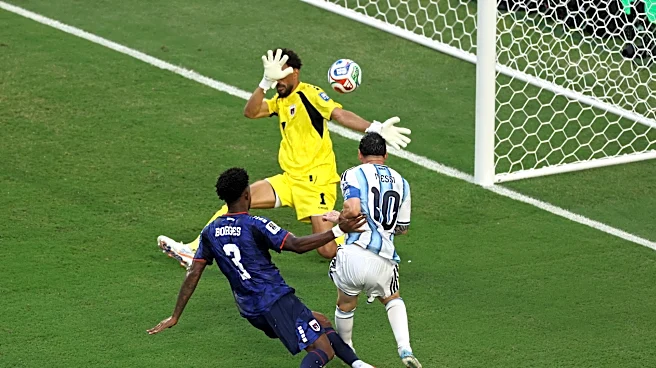
In a thrilling World Cup round of 16 match, Argentina overcame a two-goal deficit to defeat Egypt 3-2. The match, held at the stadium usually home to the NFL's Atlanta Falcons, saw Egypt initially take a commanding lead with Mostafa Zico scoring in the 67th
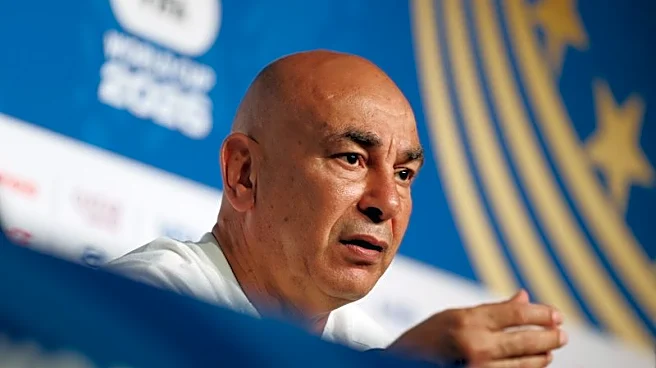
minute. However, Argentina mounted a remarkable comeback with Cristian Romero scoring in the 79th minute, followed by Lionel Messi's equalizer just four minutes later. The decisive goal came in stoppage time from Enzo Fernández, sealing Argentina's victory. The match was marred by controversy, with Egypt's coach Hossam Hassan expressing dissatisfaction over refereeing decisions, including a disallowed penalty for Egypt. The game ended with tensions high, as Egypt's goalkeeping coach received a red card for confronting the referee.
Why It's Important?
This match highlights the unpredictable nature of the World Cup and the high stakes involved for teams and players. For Argentina, the victory keeps their hopes alive for a consecutive World Cup title, showcasing their resilience and skill under pressure. For Egypt, the loss is a significant setback, especially given their strong performance early in the match. The controversy surrounding the refereeing decisions could have broader implications for FIFA, as it raises questions about the fairness and consistency of officiating in high-profile matches. The outcome also affects the morale and future strategies of both teams as they navigate the tournament.
What's Next?
Argentina will advance to face Switzerland in the quarterfinals, where they will aim to continue their winning momentum. The team will likely focus on addressing any defensive vulnerabilities exposed during the match against Egypt. For Egypt, the tournament has ended, and the team will need to regroup and reflect on their performance. Coach Hossam Hassan's decision not to watch further matches in protest highlights ongoing tensions and dissatisfaction with FIFA's officiating. This incident may prompt discussions within FIFA about improving refereeing standards and addressing grievances from teams.