




What's Happening?
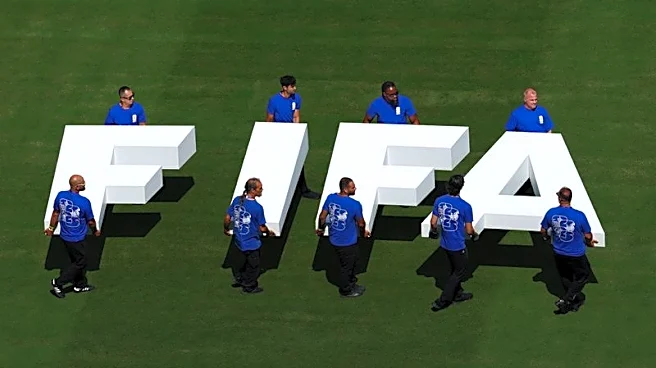
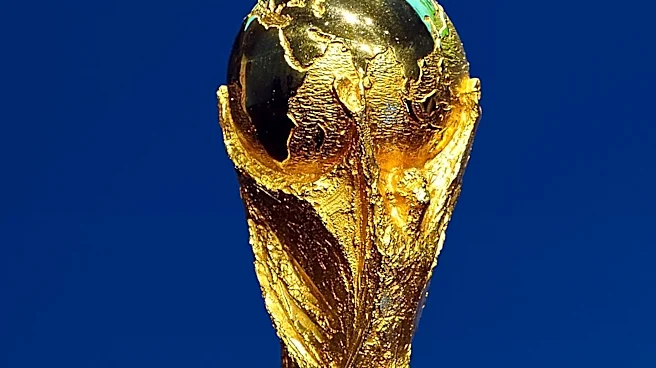
The Union of European Football Associations (UEFA) has announced a potential boycott of FIFA competitions, including the World Cup, in response to FIFA's proposal to sell a minority stake in a new entity, FIFA Forward Enterprises, to private investors.
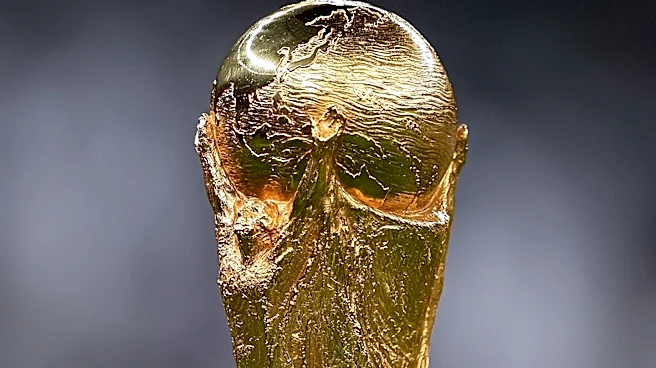
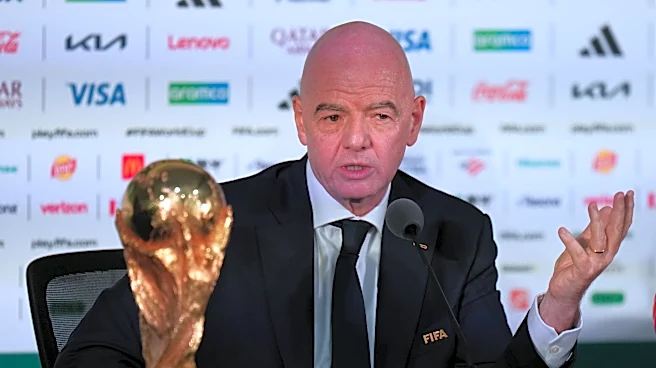
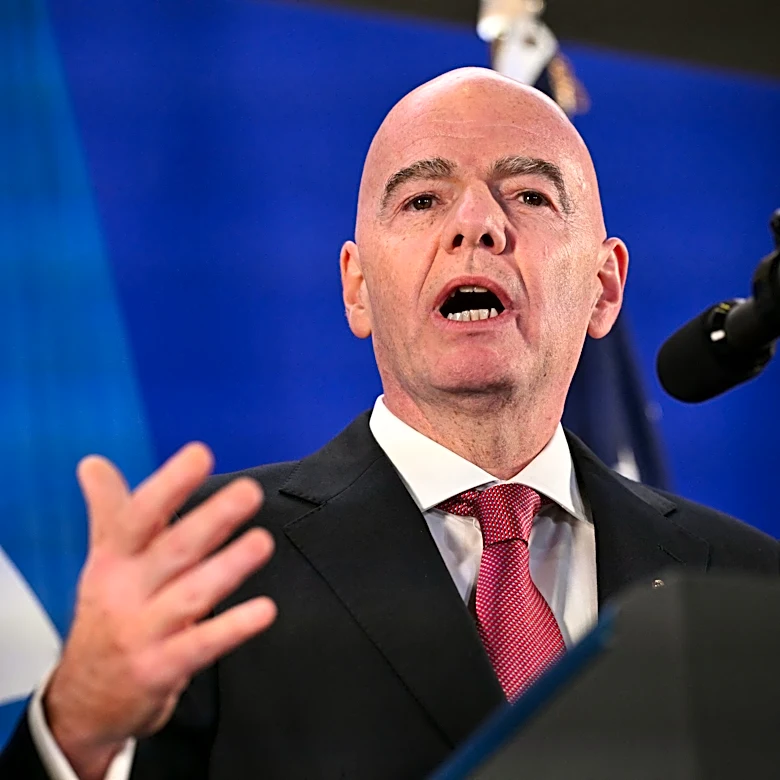
UEFA's 55 member associations unanimously rejected the proposal, emphasizing that the World Cup should not be treated as an investment product. The proposal, which aims to transfer commercial operations of FIFA events to private ownership, has been criticized for its lack of transparency. FIFA President Gianni Infantino supports the proposal, arguing it would generate funds for member associations. However, UEFA's opposition, along with concerns from other confederations, poses a significant challenge to FIFA's plans.
Why It's Important?
UEFA's boycott threat is a major setback for FIFA, as the absence of European teams would undermine the legitimacy of any World Cup. UEFA includes some of the world's most successful national teams, such as France, England, and Germany. The controversy highlights the tension between commercial interests and the traditional values of international football. The proposal's rejection by UEFA reflects broader concerns about the commercialization of sports and the potential loss of control by national associations. The outcome of this dispute could reshape the governance and financial structure of global football.
What's Next?
FIFA will need to address the concerns raised by UEFA and other confederations to move forward with its proposal. This may involve revising the proposal to ensure greater transparency and stakeholder involvement. The upcoming women's World Cup in Brazil and future FIFA events could be affected by the ongoing dispute. The resolution of this issue will likely require negotiations between FIFA and its member associations to find a compromise that balances commercial interests with the integrity of the sport.