





What's Happening?
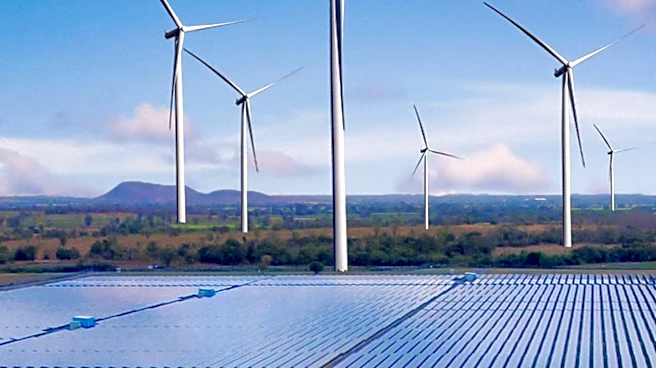
The state-owned Saudi Electricity Regulatory Authority (SERA) has updated its regulations for renewable energy generation facilities designed for self-consumption, significantly expanding the maximum generation system capacity covered by the framework
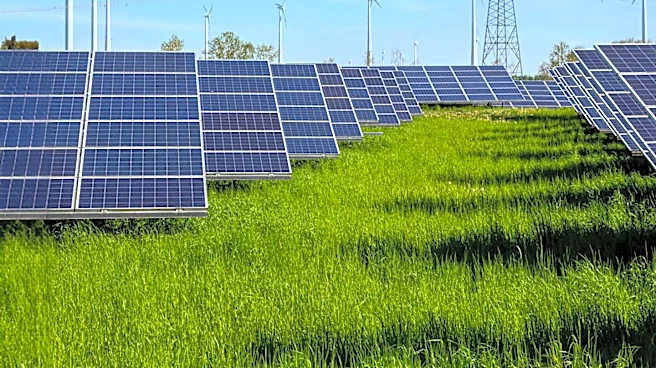
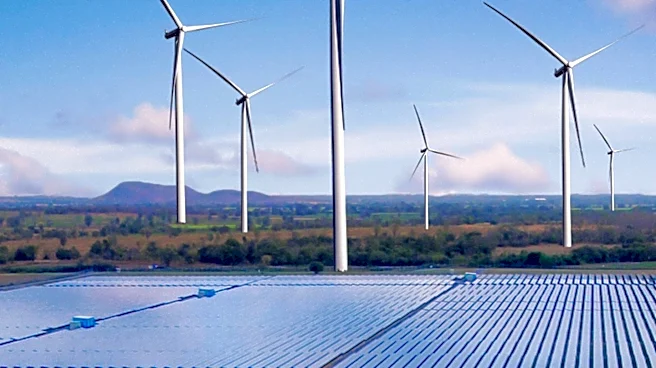
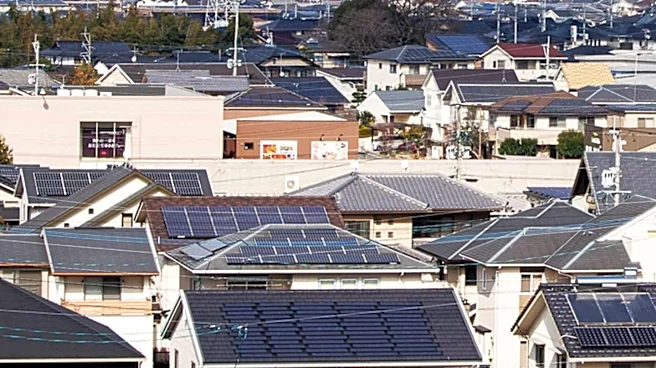
from 2 MW to 50 MW. The updated rules, which apply to solar, wind, waste-to-energy, and biofuel installations at homes and other buildings, aim to improve installation, connection, and operation procedures, enhance safety and efficiency, and protect consumer rights. The regulation now categorizes grid-connected systems into four tiers based on capacity, with varying requirements for accreditation, feasibility studies, network impact assessments, and application fees. Notably, systems from 1 to 11 kW, typically residential, require no prior approval but must be installed by an accredited contractor and notified to the service provider. The framework also mandates net billing, allowing surplus electricity exported to the grid to be financially credited and carried forward for up to 12 months.
Why It's Important?
This expansion of self-consumption rules is a significant step in Saudi Arabia's efforts to diversify its energy mix and promote renewable energy adoption. By increasing the maximum capacity to 50 MW, the new regulations open the door for larger commercial and industrial entities to generate their own power, reducing their reliance on the national grid and potentially lowering operational costs. The introduction of mandatory net billing provides a financial incentive for consumers to invest in renewable energy systems, as they can monetize excess power. This policy shift could stimulate growth in the renewable energy sector, attract investment in solar and other clean technologies, and contribute to the country's sustainability goals. It also signals a move towards a more decentralized energy system, empowering consumers and businesses to play a more active role in energy production.
What's Next?
Service providers are now required to process connection requests through an electronic platform and publish lists of qualified contractors, approved equipment, and available network capacity. This transparency aims to streamline the adoption process for consumers and businesses. The updated framework is expected to accelerate the deployment of renewable energy systems across Saudi Arabia, particularly in the commercial and industrial sectors. The financial incentives provided by net billing will likely encourage more entities to consider self-consumption models. The long-term impact will be a gradual shift in the energy landscape, with a greater proportion of electricity generated from renewable sources, contributing to reduced carbon emissions and enhanced energy independence.
Beyond the Headlines
The move to expand self-consumption rules reflects a broader global trend towards distributed energy generation and a recognition of the economic and environmental benefits of renewable energy. For Saudi Arabia, a major oil producer, this policy is part of a strategic effort to modernize its economy and reduce its carbon footprint, aligning with international climate goals. The emphasis on accredited contractors and network impact assessments highlights the importance of ensuring grid stability and safety as more renewable energy sources are integrated. This regulatory evolution could serve as a model for other nations in the Middle East and beyond, demonstrating how policy can drive the adoption of sustainable energy practices while maintaining grid reliability.