



What's Happening?
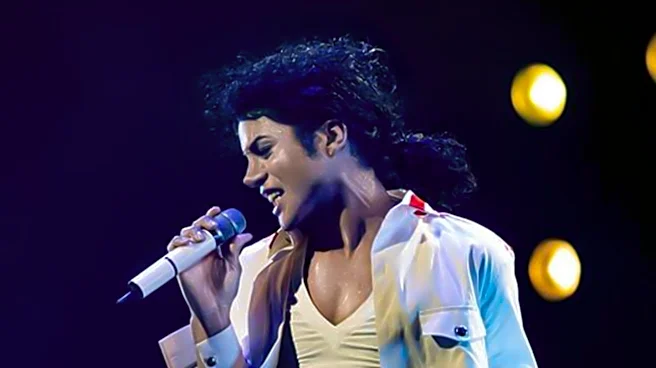
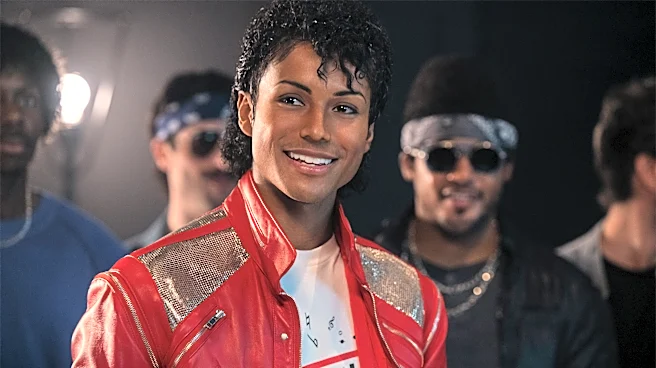
The Michael Jackson biopic, titled 'Michael,' will not be submitted for consideration at the upcoming BAFTA Awards. This decision, confirmed by Deadline, means that the film's cast, including Jaafar Jackson, Colman Domingo, Nia Long, Juliano Valdi, Laura
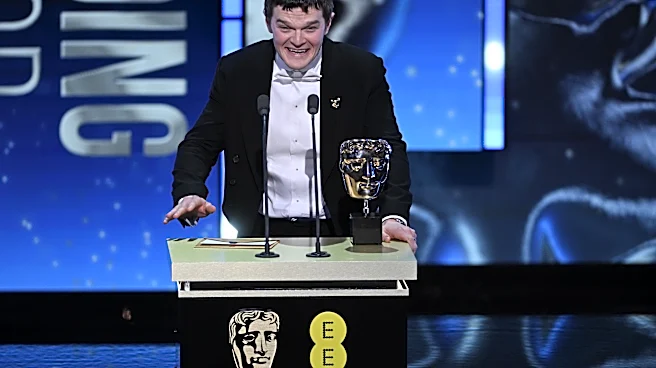
Harrier, Mike Myers, and Miles Teller, along with the craft team, will not be eligible for BAFTA recognition. Directed by Antoine Fuqua and written by John Logan, the film is produced by Graham King, John Branca, and John McClain. While specific reasons for the decision were not fully disclosed, sources cited 'multiple factors.' Producer Graham King had previously criticized BAFTA and the BBC in February following an incident involving cultural insensitivity during an awards presentation, stating their 'inability to take accountability for their actions or inactions is reckless and unacceptable.' It remains unclear if this past criticism directly influenced the current decision to bypass the BAFTAs.
Why It's Important?
The decision for the 'Michael' biopic to skip the BAFTA Awards carries significant implications for the film's awards season trajectory and the broader entertainment industry. For the cast and crew, including prominent actors like Colman Domingo, it means missing out on a major platform for recognition and potential accolades in the UK. This move could also influence how other major films approach international awards, particularly if producers perceive similar issues with cultural sensitivity or accountability from awarding bodies. The public criticism from producer Graham King highlights ongoing tensions between film production companies and awards organizations regarding representation and ethical conduct. This situation underscores the growing scrutiny faced by awards bodies to ensure equitable and sensitive practices, especially in an increasingly globalized film landscape. The absence of a high-profile film like 'Michael' from the BAFTAs could prompt further discussions about the criteria and processes of such prestigious awards.
What's Next?
While 'Michael' will not be considered for the BAFTA Awards, its eligibility for other major awards, such as the Oscars, remains unaffected. The film's producers and distributors will likely focus their awards campaign efforts on other platforms, potentially emphasizing its impact and artistic merit in different contexts. The decision could also lead to further dialogue within the film industry regarding the role and responsibilities of awards organizations. BAFTA and the BBC may face renewed pressure to address the concerns raised by Graham King and others, potentially leading to internal reviews or public statements regarding their policies on cultural sensitivity and accountability. The performance of 'Michael' at the box office and its reception in other awards circuits will be closely watched, as it could set a precedent for how major productions navigate perceived issues with specific awards bodies in the future.
Beyond the Headlines
The 'Michael' biopic's decision to bypass the BAFTA Awards delves into deeper issues beyond mere awards eligibility, touching upon the ethical and cultural responsibilities of major entertainment institutions. Graham King's explicit criticism of BAFTA and the BBC for 'cultural insensitivity and tone deafness' highlights a persistent challenge within the industry: the need for awards bodies to reflect and respect diverse cultural contexts. This incident could be seen as part of a larger trend where creators and producers are increasingly willing to challenge established institutions when they perceive a lack of accountability or understanding. It raises questions about the power dynamics between film producers and awards committees, and whether such boycotts could become a more common tactic to advocate for change. Ultimately, this development could contribute to a broader re-evaluation of how awards are judged, presented, and perceived, pushing for greater transparency and inclusivity in the global film awards landscape.