








What's Happening?
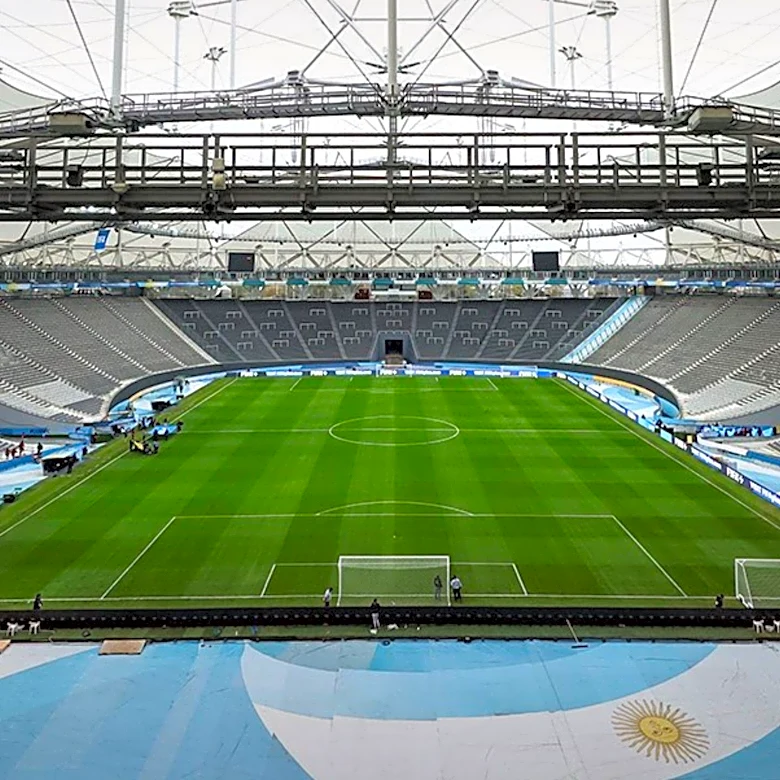
FIFA's clean stadium rules during the World Cup have exposed the limitations of traditional sponsorship metrics. These rules require the removal of commercial naming rights and sponsor logos from host venues, challenging brands to find value beyond visible
signage. Despite the official renaming of stadiums, such as Mercedes-Benz Stadium becoming Atlanta Stadium, the public and media continue to use the original names, indicating the enduring brand associations. This situation raises questions about the true value of sponsorships and the importance of building long-term brand equity rather than relying solely on event-day visibility.
Why It's Important?
The enforcement of clean stadium rules by FIFA underscores the need for brands to focus on creating lasting associations rather than short-term visibility. This approach can lead to stronger brand recognition and loyalty, as seen with companies like Red Bull and Nike, which have successfully embedded themselves in sports culture. The World Cup serves as a reminder that sponsorships should aim to build meaningful connections with audiences, leveraging events to reinforce brand values and identity. This shift in focus could influence how companies approach sponsorship deals and measure their success.
Beyond the Headlines
The clean stadium rules highlight a broader trend in marketing, where the emphasis is shifting from traditional media metrics to more holistic measures of brand impact. As brands navigate this evolving landscape, they may need to invest in strategies that foster deeper emotional connections with consumers. This could involve creating experiences that resonate with audiences and align with the brand's core values. The World Cup's branding restrictions offer a unique opportunity for marketers to rethink their approach to sponsorships, focusing on long-term brand building rather than immediate exposure.