







What's Happening?
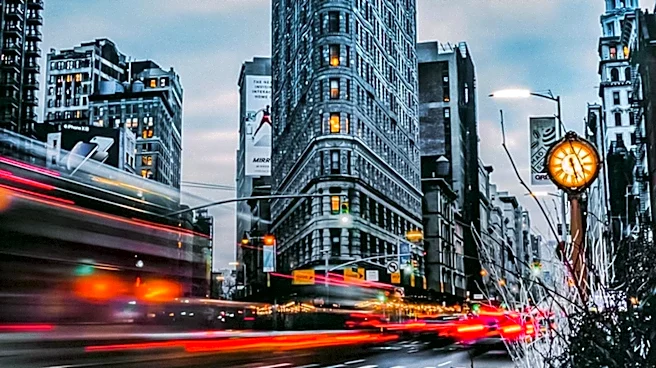
The Flatiron Building in New York City, a historic landmark, is nearing a complete sellout of its residential units following its conversion from commercial office space. Out of 22 residences publicly listed on StreetEasy, only four remain unsold, indicating
an 82% sales rate. This rapid absorption rate is notable for a building still undergoing construction, especially when compared to other luxury developments in the city where units often remain on the market for extended periods. The building recently topped Olshan Realty’s weekly luxury contract report for the second consecutive week, with a four-bedroom unit, Unit 17-North, going into contract for an asking price of $23.95 million. This marks the second time in three weeks that a unit in the Flatiron Building has secured the top spot in the report, a rare achievement for a single address. The conversion project, undertaken by existing owners in partnership with the Brodsky Organization, aims to transform the 1902-built, 22-story tower into 36 luxury residences, with prices ranging from just under $11 million to $58.5 million for the penthouse. Sales quietly launched last fall and publicly earlier this year, gaining significant momentum since.
Why It's Important?
The rapid sellout of the Flatiron Building's residential units underscores a strong demand for unique, historically significant luxury properties in Manhattan. This trend suggests that high-net-worth individuals are willing to invest significantly in properties that offer both prestige and a piece of New York City's heritage, even amidst a competitive luxury real estate market. The success of this conversion project could set a precedent for other historic commercial buildings in urban centers, encouraging developers to explore similar adaptive reuse projects. This could lead to the revitalization of older structures, preserving architectural landmarks while addressing the demand for high-end housing. The project's ability to attract buyers at such a pace also reflects confidence in the long-term value of prime New York City real estate, potentially influencing investment strategies and property valuations across the luxury sector. Furthermore, the integration of modern amenities within a historic shell demonstrates a successful model for blending preservation with contemporary living standards, appealing to a niche market that values both.
What's Next?
Residents are expected to begin moving into their new apartments in the Flatiron Building this fall. The full suite of luxury amenities, including a 60-foot lap pool, fitness center, sauna, cold plunge pool, billiards room, and residents’ lounge with a kitchenette, is slated to be completed and open in early 2027. Construction crews have been focused on replacing approximately 1,000 windows to meet landmark preservation specifications and installing the building’s first-ever exterior lighting scheme, requiring extensive approvals due to the Flatiron’s protected status. While most units are already under contract, a representative for Corcoran Sunshine Marketing Group indicated that not all 36 sellable units have officially hit the market yet, suggesting that the remaining few units could be released for sale in the near future. The final prices and owners of units like the $23.95 million Unit 17-North will become known once the deals officially close. The continued success of this project will likely be closely watched by real estate developers and investors interested in the adaptive reuse of historic commercial properties.
Beyond the Headlines
The conversion of the Flatiron Building into luxury residences highlights a broader shift in urban development, where iconic commercial spaces are being reimagined for residential use. This trend raises questions about the evolving identity of city landmarks and the balance between historical preservation and modern utility. The project's success, despite the building's awkward angles and the challenges of integrating contemporary amenities into a century-old structure, showcases innovative architectural and design solutions. Studio Sofield's approach to reconfiguring the wedge-shaped floor plates into functional living spaces is a testament to creative problem-solving in urban design. Furthermore, the saga surrounding the building's auction in 2023, where a winning bidder failed to put down a deposit, underscores the complex financial and legal intricacies involved in high-value real estate transactions, particularly for properties with significant cultural and historical importance. The Flatiron Building's transformation is not just a real estate story but also a narrative about urban evolution, architectural adaptation, and the enduring allure of New York City's iconic structures.