





What's Happening?
Skydance, following its merger with Paramount and Warner Bros. Discovery, is consolidating Warner Bros. Television Group and Paramount Television Studios into a single entity named Warner Bros. Television Studios. This merger is slated for early 2027.
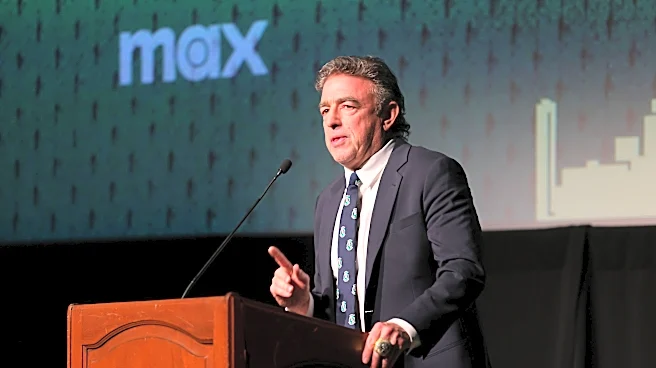
Channing Dungey, from Warner Bros. Television, and Matt Thunell, from Paramount Television Studios, will co-lead the new combined studio as presidents, reporting to George Cheeks, co-chair and chief content officer of Skydance TV. Dungey will also chair Skydance Global Cable Media, overseeing over 50 cable brands. The consolidation aims to streamline operations given the overlapping mandates of the two studios, which both developed intellectual property from their sister film studios and supplied content to HBO Max and Paramount+. CBS Studios, Skydance's third television studio, will remain separate under President David Stapf.
Why It's Important?
This consolidation is a significant strategic move within the U.S. entertainment industry, reflecting a broader trend of media companies seeking efficiency and scale in a competitive market. The merged studio will oversee more than 120 active television series, including major franchises like 'Harry Potter' and 'Ted Lasso,' creating a powerhouse in content production. This move is expected to impact talent and viewers by potentially streamlining content creation and distribution across Skydance's platforms and third-party buyers. However, such consolidations typically lead to staff reductions, raising concerns about job losses within the industry. The decision to retain the Warner Bros. Television Studios name highlights the brand's long-standing legacy and recognition, signaling Skydance's intent to leverage established brand equity in its new structure.
What's Next?
The formal integration of Warner Bros. Television Group and Paramount Television Studios is scheduled for early 2027. In the interim, both studios will continue to operate independently. Following the integration, human resources departments are expected to provide details regarding potential layoffs and organizational changes, which are a common consequence of such large-scale mergers. The co-leadership structure of Dungey and Thunell will be closely watched to see how it impacts creative direction and operational efficiency. The merged studio will then focus on optimizing its extensive slate of television series for both Skydance's internal platforms and external buyers, aiming to maximize reach and profitability in the evolving streaming landscape. The industry will also observe how this consolidation affects the competitive dynamics among major content producers.
Beyond the Headlines
The merger raises deeper questions about the future of creative diversity and competition in the television industry. While consolidation can lead to efficiencies, critics often express concerns about fewer distinct buyers for creators, potentially limiting opportunities for unique voices and independent productions. The scale of the new Warner Bros. Television Studios could create a more dominant player, influencing content trends and production standards across the industry. The co-leadership arrangement, particularly with executives from different backgrounds, presents an interesting dynamic that could either foster innovative collaboration or lead to internal challenges. Furthermore, the expected layoffs underscore the human cost of corporate restructuring, prompting discussions about job security and the impact on the broader production sector in California and beyond. This move is a microcosm of the ongoing transformation within media, driven by technological shifts and evolving consumer habits.