



What's Happening?
Former Liberty Media CEO Greg Maffei has stated his expectation that Formula 1 (F1) will go private within the next two years. This prediction comes as Formula One Group's market capitalization has reached nearly $27 billion, a significant increase from
the $8 billion Liberty Media paid for it in 2017. Sportico estimates the combined value of the 11 F1 teams at approximately $50 billion, tripling in value over three years. A potential take-private deal is estimated to be around $30 billion. Maffei noted that the significant growth in EBITDA seen previously is unlikely to triple again in the next eight to nine years, with the race calendar capped at 24 events through 2030 and most sponsorship deals already long-term. The idea of a team holding company has been floated, where teams could exchange future prize money for equity and bring in a permanent capital partner. For instance, Williams is valued at $2.5 billion, and its owner has no current plans to sell.
Why It's Important?
The potential privatization of Formula 1 carries significant implications for the sport's financial structure and ownership landscape. A move to private ownership could reshape how F1 operates, potentially leading to different investment strategies, revenue distribution models, and governance. If teams become buyers through a holding company, it could grant them greater control over the sport's commercial direction and future development, shifting power dynamics within F1. This could also influence how F1 navigates its long-term agreements, such as the Concorde Agreement, which expires after 2030, coinciding with proposed engine rule changes. The involvement of permanent capital partners could stabilize the sport's financial future but also introduce new stakeholders with potentially different priorities. The valuation of F1 teams and the overall enterprise highlights the sport's growing economic appeal, particularly to a younger, American fanbase, making any ownership change a high-stakes financial maneuver.
What's Next?
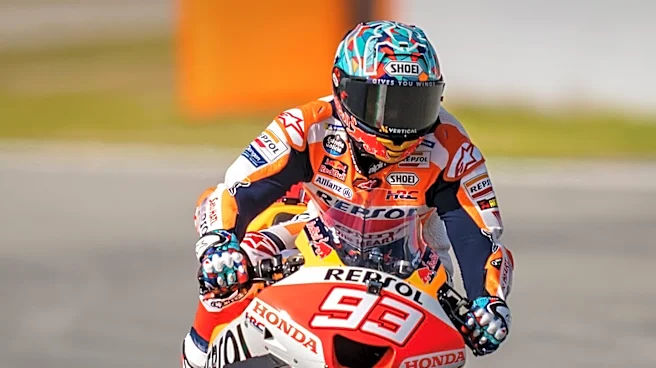
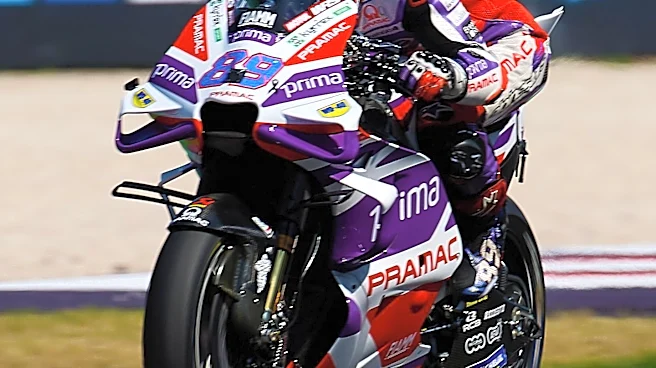
The immediate next steps involve monitoring any comments from Liberty Media on future earnings calls regarding F1's ownership structure. The integration of MotoGP, another Liberty Media acquisition, could serve as a template for potential strategies. Stakeholders will also be watching for any expressions of interest from sovereign funds, which could become significant players in a privatization bid. A critical aspect will be how the FIA maintains its separation from F1's commercial business, as an NFL-style team-owned structure might not align with current regulations. The expiration of the Concorde Agreement after 2030, which aligns with the proposed return of V8 engines, suggests a coordinated reset of both engine regulations and ownership structures. Any public commitments or shifts from power unit manufacturers regarding the 2030 engine changes could also influence the timing and nature of a privatization move.
Beyond the Headlines
The discussion around F1's potential privatization extends beyond mere financial transactions, touching upon the sport's identity and future direction. A team-owned model, while offering intriguing possibilities for greater stakeholder alignment, presents complex governance challenges, particularly in maintaining the FIA's regulatory independence from commercial interests. This shift could redefine the balance between sporting integrity and commercial profitability. Furthermore, the timing of potential ownership changes coinciding with significant technical regulation shifts, such as the return to V8 engines, suggests a strategic overhaul of F1's core product. The narrative around sustainability, particularly concerning fuel technology, will be crucial in shaping public perception and attracting future investment, especially if the sport is perceived as 'walking back' electrification. The long-term implications could see F1 evolve into a more entertainment-focused product, further leveraging its appeal to a broader global audience, with ownership directly influencing how this evolution is managed.