








What's Happening?
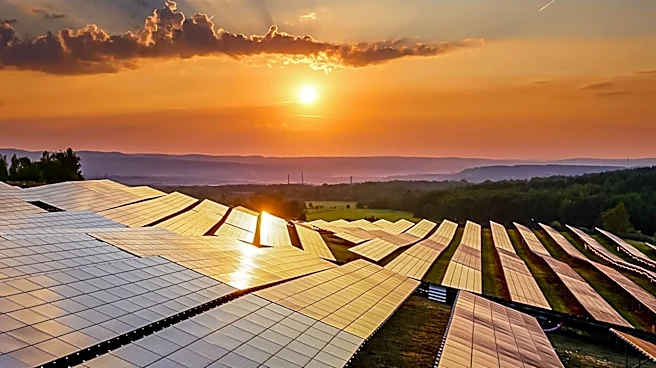
Surya Roshni, a diversified manufacturing company, has invested Rs 16 crore in establishing captive solar power plants at three of its manufacturing facilities. This initiative is part of the company's broader strategy to enhance sustainability and increase
the use of renewable energy in its operations. The solar installations, with a combined capacity of 4 MWp, are located in Malanpur, Kashipur, and Bahadurgarh. These plants are expected to generate approximately 4.8 million units of renewable energy annually, significantly reducing the company's carbon footprint by about 3,936 tonnes of CO2 each year. The initiative reflects Surya Roshni's commitment to responsible manufacturing and environmental stewardship, as stated by Chairman Padma Shri Jai Prakash Agarwal.
Why It's Important?
This investment by Surya Roshni underscores a growing trend among manufacturing companies to integrate sustainable practices into their operations. By reducing carbon emissions and increasing the share of clean energy, the company not only aligns with global environmental goals but also potentially reduces operational costs in the long term. This move could set a precedent for other companies in the industry, encouraging them to adopt similar strategies. The initiative also supports India's broader renewable energy targets and contributes to the country's efforts to combat climate change. Stakeholders, including consumers and investors, are increasingly valuing companies that prioritize sustainability, which could enhance Surya Roshni's market position and brand reputation.
What's Next?
As Surya Roshni continues to expand its operations, it is likely to further integrate renewable energy solutions across its facilities. The success of these solar power plants could lead to additional investments in similar projects, both domestically and internationally. The company may also explore other sustainable technologies to optimize resource utilization and improve energy efficiency. This initiative could prompt other manufacturers to follow suit, potentially leading to a broader industry shift towards sustainable manufacturing practices. Regulatory bodies and environmental organizations may also take note of such efforts, possibly influencing future policy developments in the renewable energy sector.