






What's Happening?
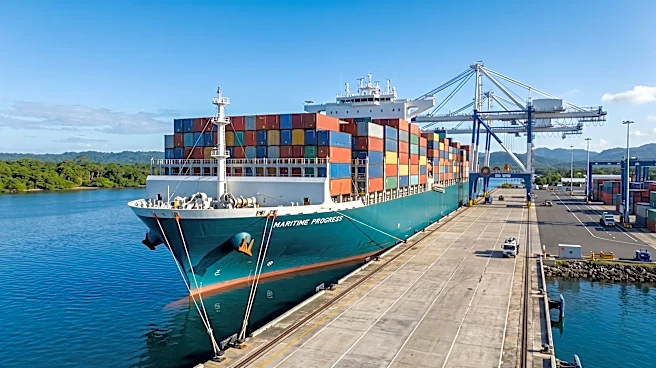
Boluda Shipping, a prominent maritime transport and logistics company, is implementing TMEIC's Pulse Mobile digital gate platform to modernize its port operations. This new system, initially rolling out at Boluda Maritime Terminals Tenerife in the Canary
Islands, aims to streamline truck and terminal interactions. The platform moves critical operational activities upstream, allowing for issues to be addressed before trucks arrive at the gate. This strategic shift is designed to reduce operational bottlenecks, enhance end-to-end visibility, and improve efficiency and connectivity between terminals and the trucking community. The global maritime industry is undergoing a digital transformation, and this partnership reflects a broader vision for interconnected, data-driven, and sustainable operations. The Pulse Mobile platform facilitates coordination among Boluda, carriers, and drivers, providing full visibility from work order receipt to departure, including validation of operational information, incident management, terminal access, and yard coordination. This real-time connectivity is expected to improve decision-making, reduce errors, and eliminate paperwork.
Why It's Important?
The adoption of TMEIC's Pulse Mobile platform by Boluda Shipping signifies a crucial step in the digital transformation of the maritime industry, with significant implications for efficiency and sustainability. By resolving up to 80% of issues before trucks reach the gate, the system can drastically reduce gate cycle times by up to 50% and boost lane availability by up to 98%. These improvements directly address challenges such as rising truck volumes, limited space, and environmental goals. Reduced congestion at access points leads to more predictable operational flows and minimizes wasted trips and idling time, thereby contributing to a reduction in greenhouse gas emissions. Furthermore, the platform's ability to integrate with existing terminal operating systems (TOS) and port community systems (PCS) without requiring their replacement ensures a smooth transition and maximizes the return on investment. This digital upgrade also offers safety benefits by allowing personnel to manage entry processes away from heavy machinery and exhaust fumes, improving working conditions and reducing injury risks. The move towards connected ports and data-driven operations sets a precedent for other maritime players seeking to enhance their logistical capabilities and environmental performance.
What's Next?
The initial implementation of TMEIC's Pulse Mobile platform at Boluda Maritime Terminals Tenerife will serve as a pilot for future expansions. Success in Tenerife is likely to pave the way for broader deployment across Boluda Shipping's other nine terminals, including those in the Iberian Peninsula. The company's CEO, Gonzalo Calero Gómez, emphasized that this collaboration is a key piece of their evolution toward increasingly efficient, connected, and user-oriented terminals, suggesting a long-term commitment to digital innovation. As the platform proves its effectiveness in reducing operational costs and environmental impact, it could influence other major shipping companies to adopt similar digital solutions. The vendor-agnostic nature of Pulse Mobile means it can be integrated into diverse existing technological infrastructures, making it an attractive option for a wide range of port operators. This trend towards integrated software, automation, and operational intelligence is expected to redefine what ports can achieve in terms of efficiency and sustainability in the coming years.
Beyond the Headlines
This digital transformation extends beyond mere operational efficiency, touching upon broader ethical and environmental considerations. The reduction in idling trucks and wasted trips directly contributes to lower carbon emissions, aligning with global efforts to combat climate change and promoting a more sustainable supply chain. The enhanced safety for port workers, by minimizing their exposure to hazardous environments, underscores a commitment to employee well-being. Furthermore, the increased transparency and data-driven decision-making fostered by the platform can lead to greater accountability across the logistics chain. The shift towards interconnected, intelligent port operations also highlights the growing reliance on technology in critical infrastructure, raising questions about cybersecurity and data integrity. As more processes become digitized, the need for robust cyber defenses will become paramount to protect against potential disruptions and ensure the continuous flow of goods. This evolution signifies a fundamental shift in how maritime logistics are managed, moving towards a more integrated, intelligent, and environmentally conscious future.