







What's Happening?
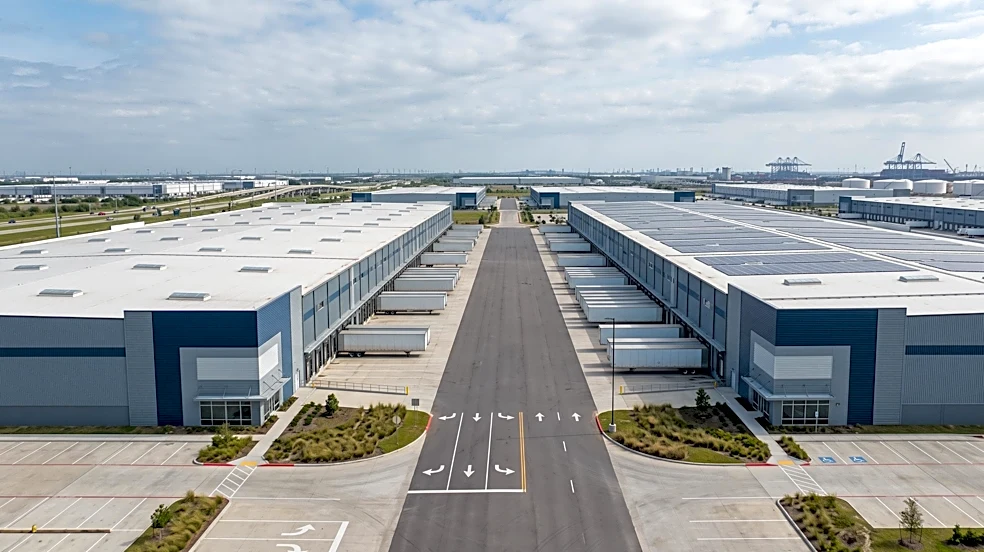
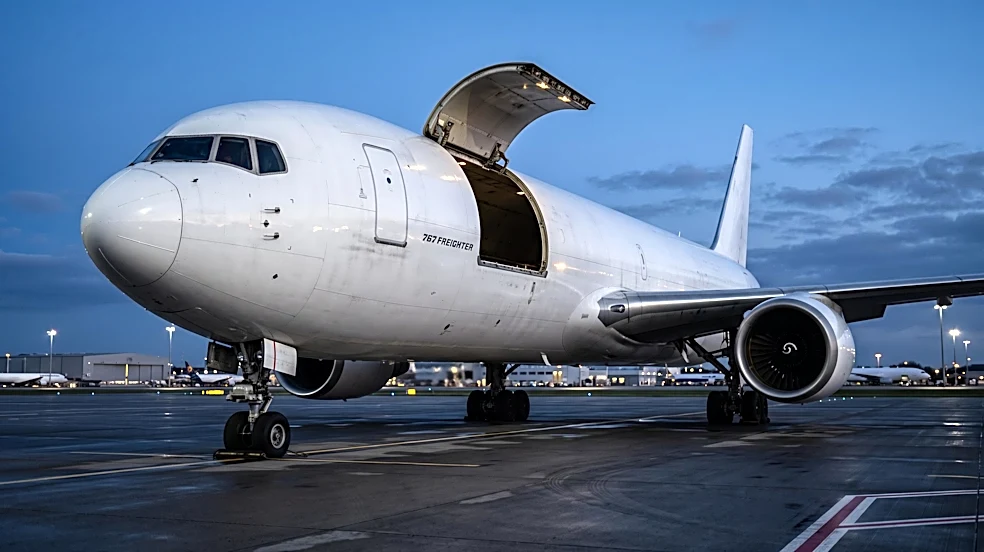
UPS has significantly expanded its logistics capabilities in the Asia Pacific region by opening a new hub at Clark International Airport. This development stems from an investment exceeding US$80 million and aims to enhance services across more than 1,100
global trade lanes. The new facility is 15 times larger than its predecessor, occupying 30,000 square meters. With this expansion, the hub's average daily package volume is projected to increase to 46,000, and its processing capacity will reach 15,000 packages per hour. The hub is equipped for specialized handling of various products, including healthcare, high-tech, and manufacturing goods, as well as time-sensitive and temperature-sensitive shipments. It features three refrigeration and freezer units capable of maintaining temperatures from -20 to 25 Celsius, and utilizes RFID technology for priority handling and enhanced visibility of critical shipments. Russell Reed, Managing Director of UPS Philippines, highlighted the significance of this moment for both customers and the company.
Why It's Important?
This expansion by UPS is crucial for global supply chains, particularly for businesses operating in or with connections to the Asia Pacific region. By increasing efficiency and strengthening international relationships, the new hub will enable businesses of all sizes to establish faster connections with customers and markets worldwide. The enhanced capacity and specialized handling capabilities, especially for sensitive shipments like healthcare and high-tech products, will provide greater confidence to customers regarding the quality and reliability of deliveries. This investment underscores the growing importance of robust logistics infrastructure in supporting global trade and meeting the complex demands of modern supply chains. The strategic location at Clark International Airport, a major aviation gateway in Central Luzon, further solidifies its role in facilitating international logistics and trade corridors.
What's Next?
The immediate next step for UPS will be the full operationalization of the new hub, integrating its advanced features and increased capacity into its global network. This will involve optimizing the flow of packages and leveraging the specialized handling capabilities to serve a wider range of customers. The company will likely focus on demonstrating the improved efficiency and reliability of its services to attract more businesses, particularly those with critical and sensitive shipping needs. Furthermore, this expansion could prompt other logistics providers to re-evaluate and potentially upgrade their own infrastructure in the Asia Pacific region to remain competitive. The increased logistical efficiency could also stimulate further economic growth and trade activity within the region, as businesses find it easier and faster to move goods internationally.
Beyond the Headlines
The substantial investment by UPS in the Clark International Airport hub reflects a broader trend of companies strengthening their supply chain resilience and capabilities in key global regions. This move is not just about increasing capacity but also about adapting to evolving market demands, such as the growing need for specialized handling of sensitive goods and the increasing volume of e-commerce. The integration of advanced technologies like RFID for enhanced visibility highlights a shift towards more intelligent and transparent logistics operations. This development could also have long-term implications for regional economic development, potentially attracting more manufacturing and high-tech industries to areas with robust logistical support. It also underscores the strategic importance of air cargo hubs in facilitating global commerce and ensuring the timely delivery of essential goods.