




What's Happening?
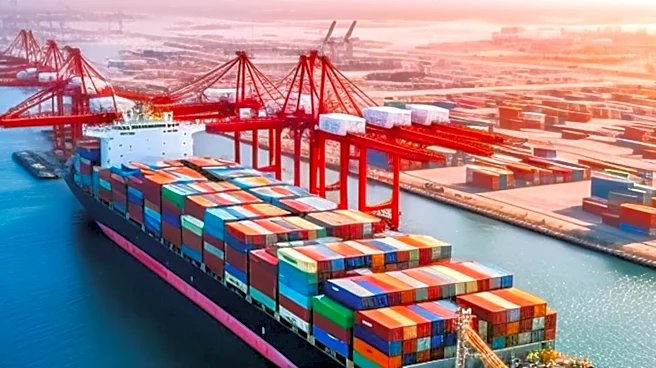
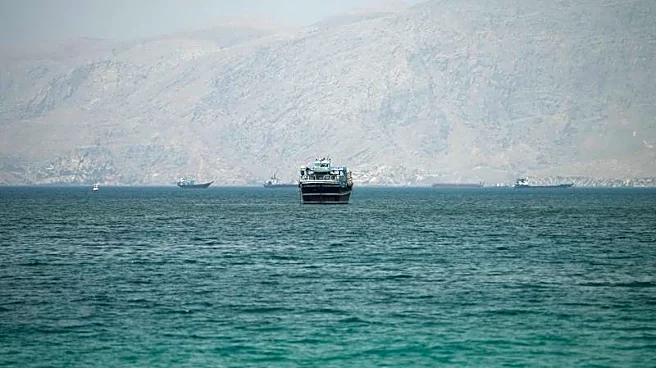
The global supply chain, particularly in the grocery sector, is experiencing significant disruptions due to geopolitical tensions in the Strait of Hormuz. This strategic maritime corridor is crucial for global oil trade, and recent events have highlighted
its vulnerability. As tensions escalated earlier in 2026, insurance costs rose, shipping routes were disrupted, and oil prices surged. These developments have had a cascading effect on the supply chain, affecting the availability and cost of products like olive oil. The interconnected nature of modern supply chains means that disruptions in one part of the world can impact product availability and pricing in supermarkets thousands of miles away.
Why It's Important?
The situation underscores the fragility of global supply chains and the need for retailers to adapt quickly to disruptions. The ability to respond swiftly to changes in supply conditions can provide a competitive advantage. Retailers that can anticipate and mitigate the impacts of geopolitical events are better positioned to maintain product availability and manage costs. This is particularly important in the grocery sector, where energy costs are embedded throughout the value chain. The events in the Strait of Hormuz serve as a reminder of the broader challenges facing global supply networks, including geopolitical instability, climate-related pressures, and transportation constraints.
What's Next?
Retailers are increasingly investing in connected platforms and AI-enabled decision intelligence to better anticipate and respond to supply chain disruptions. The focus is shifting from simply predicting demand to understanding what can realistically be supplied and how quickly plans need to change when disruptions occur. This proactive approach is essential for navigating the complex and interconnected challenges of modern supply chains. As geopolitical tensions continue to pose risks, retailers must enhance their supply chain visibility and agility to remain competitive.