








What's Happening?
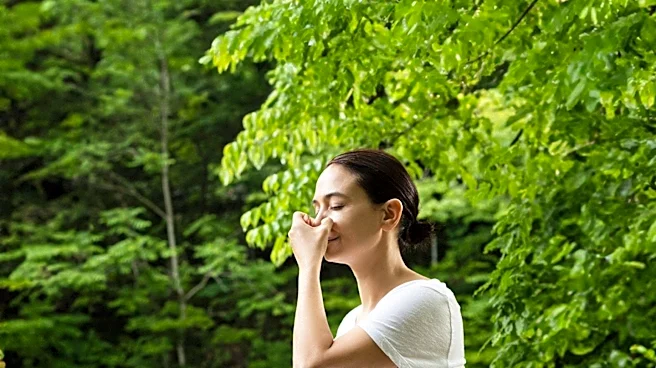
Forest bathing, known as shinrin-yoku, is a Japanese practice that involves spending intentional, unhurried time in a forest environment to engage the senses and promote well-being. Originating in 1982 from Japan’s Forestry Agency, the practice encourages
individuals to simply 'take in the forest atmosphere' rather than focusing on physical exertion like hiking. Participants move slowly through natural settings, paying close attention to sights, sounds, smells, and textures. This mindful immersion in nature is distinct from traditional outdoor activities, emphasizing relaxation and a deeper connection with the environment. Scientific research has increasingly supported the benefits of forest bathing, moving beyond anecdotal evidence to examine its physiological and psychological effects. Studies have linked sensory immersion in forests to reduced stress and anxiety, improved mood, and a stronger sense of calm. The practice also highlights the potential role of phytoncides, natural compounds released by trees, in supporting immune function. This wellness trend, rooted in Japan's cultural reverence for nature, is now expanding globally.
Why It's Important?
The global spread of forest bathing signifies a growing recognition of nature-based wellness practices as a counter-response to modern urban lifestyles and constant digital connectivity. As more people spend time indoors and online, practices like shinrin-yoku offer an accessible method for stress reduction and mental rejuvenation. This trend is particularly important for public health initiatives, as it provides a low-barrier-to-entry activity that requires no special equipment or fitness level, making it inclusive for a wide demographic. The scientific validation of its benefits, such as reduced stress and improved mood, could lead to its integration into mainstream healthcare, potentially influencing public policy on urban planning and green space development. The emphasis on mindfulness and sensory engagement also aligns with broader shifts in wellness culture towards restorative practices over high-intensity routines, offering a sustainable approach to self-care and mental health support.
What's Next?
The increasing popularity of forest bathing suggests a continued expansion of guided programs and dedicated 'healing forests' in various countries. Wellness organizations, nature guides, and conservation groups are likely to further develop and promote forest bathing sessions across North America, Europe, Australia, and other parts of Asia. There is a growing movement, particularly in countries like the UK, to recognize forest bathing as part of 'social prescribing,' where medical professionals recommend nature-based activities alongside or as an alternative to traditional medication. This could lead to increased funding and support for green spaces and nature-based therapies. Future research will likely delve deeper into the specific mechanisms through which forest bathing impacts human health, including the role of phytoncides and the long-term psychological benefits. The blending of shinrin-yoku with local traditions, such as foraging walks or specific cultural practices, is also expected to continue, creating diverse and localized forms of the practice.
Beyond the Headlines
Beyond its immediate health benefits, forest bathing reflects a deeper societal yearning for reconnection with the natural world, challenging the pervasive influence of urbanization and digital saturation. The practice underscores the intrinsic value of forests not just as ecological resources but as essential spaces for human spiritual reflection and physical renewal, echoing ancient cultural reverence for nature found in traditions like Japan's Shinto belief. This movement could foster a greater appreciation for biodiversity and conservation efforts, as individuals who experience the restorative power of forests may become more invested in protecting these environments. Ethically, it raises questions about equitable access to green spaces, particularly in urban areas, and the potential for nature-based therapies to address health disparities. Culturally, it represents a shift towards integrating traditional ecological knowledge with modern scientific understanding, promoting a holistic view of well-being that acknowledges the profound interrelationship between human health and environmental health.