






What's Happening?
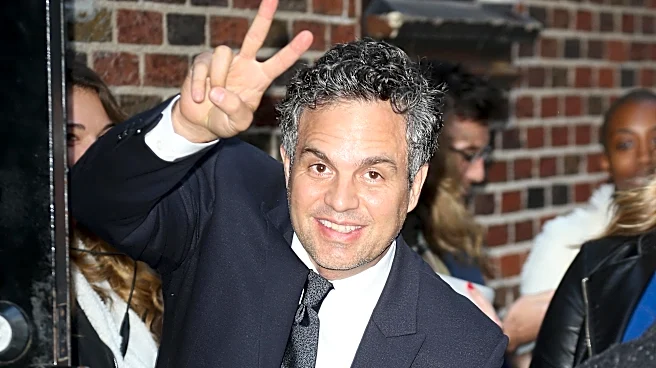
Actor Mark Ruffalo is featured in the film 'Being Heumann,' which dramatizes the 1977 occupation of a federal building by disability rights activists. In the movie, Ruffalo plays a bureaucrat who initially obstructs the activists' demands. The film, directed
by Academy Award winner Siân Heder, is based on true events and depicts how a young disabled woman, Judy Heumann (portrayed by Ruth Madeley), and a coalition of activists initiated what became the longest occupation of a federal building in American history. Hundreds of individuals seized government offices, refusing to leave until their demands for action were met. The narrative focuses on the struggle of these accidental leaders to forge a path forward for the disability rights movement.
Why It's Important?
The film 'Being Heumann' highlights a pivotal moment in the American disability rights movement, bringing to light the historical struggle for accessibility and equal rights. Mark Ruffalo's involvement in portraying a key figure underscores the bureaucratic resistance faced by activists. This cinematic portrayal can raise public awareness about the origins of disability rights legislation and the persistent challenges faced by the disabled community. It serves as a reminder of the power of collective action and civil disobedience in achieving social change, potentially inspiring contemporary advocacy efforts. The film's release contributes to the ongoing dialogue about inclusivity and the importance of recognizing the contributions and struggles of marginalized groups in U.S. history.
What's Next?
The film 'Being Heumann' is scheduled for screenings at Laemmle Theatres, with specific dates in November. A Q&A session with Kristen Joiner, executive producer and co-author of Judy Heumann's original book, is planned for November 9 at the Royal theater. These events offer opportunities for audiences to engage further with the historical context and themes presented in the film. The release of 'Being Heumann' may also spark renewed interest in disability rights advocacy and discussions around current policies and challenges. The film's narrative could encourage educational initiatives and community discussions on disability history and activism across the United States.
Beyond the Headlines
Beyond its historical narrative, 'Being Heumann' delves into the ethical dimensions of bureaucratic power and the moral imperative of addressing systemic inequalities. The film implicitly questions the responsibility of government officials to serve all citizens, particularly those with disabilities, and the consequences of inaction. It also explores the cultural shift required to move from paternalistic views of disability to one that recognizes the agency and rights of disabled individuals. The story's focus on an extended occupation highlights the extreme measures marginalized communities sometimes must take to be heard, prompting reflection on the nature of protest and its role in democratic societies. The film's impact could extend to influencing public perception and policy discussions regarding disability inclusion and accessibility in the long term.