







What's Happening?
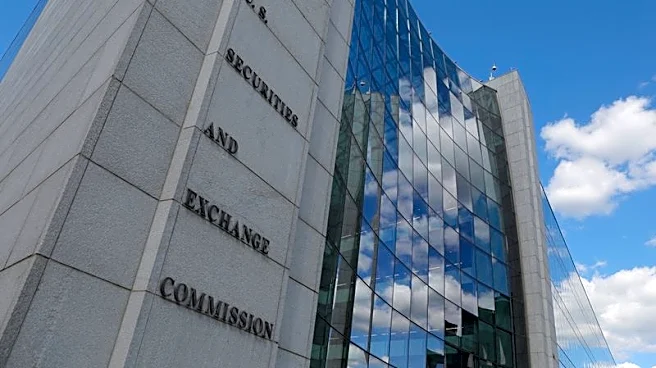
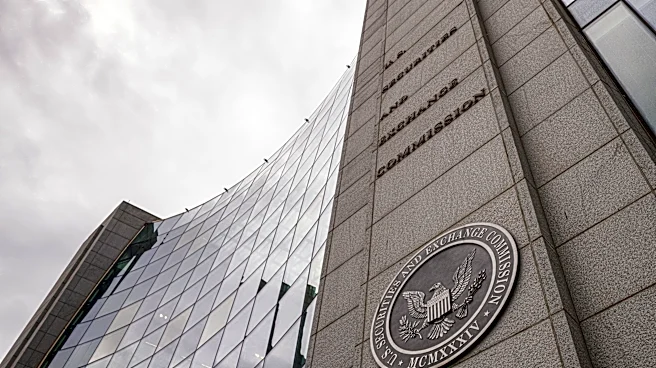
The Securities and Exchange Commission (SEC) is close to reaching a settlement with social media influencer Tai Lopez in a civil enforcement fraud case. The SEC has accused Lopez and his partners at Retail Ecommerce Ventures (REV) of orchestrating a fraudulent
securities scheme that raised over $230 million from 660 investors across the United States. The scheme involved purchasing distressed retail brands like RadioShack and Pier 1 Imports, with the intention of transforming them into online sellers. The SEC alleges that $112 million of the funds were raised through fraudulent offerings, promising high returns to investors. The parties have reportedly finalized most of the settlement terms, with only one issue remaining before a final judgment can be presented to Lopez.
Why It's Important?
This case highlights the risks associated with investment schemes promoted by social media influencers. The alleged fraud underscores the importance of regulatory oversight in protecting investors from misleading investment opportunities. The outcome of this case could have significant implications for how similar cases are handled in the future, potentially leading to stricter regulations and increased scrutiny of investment promotions on social media platforms. Investors who were misled by the promises of high returns stand to gain from any restitution that may be part of the settlement, while the case serves as a cautionary tale for others considering similar investments.
What's Next?
The SEC and Lopez are working to resolve the final issue in their negotiations, which, once settled, will allow the SEC to present a consent to final judgment. This could lead to a formal settlement, potentially including financial restitution for affected investors. The resolution of this case may prompt other regulatory bodies to examine similar schemes more closely, possibly resulting in broader regulatory changes. Stakeholders in the investment community, particularly those involved in social media promotions, will be watching closely to see how this case influences future regulatory actions.