


What's Happening?
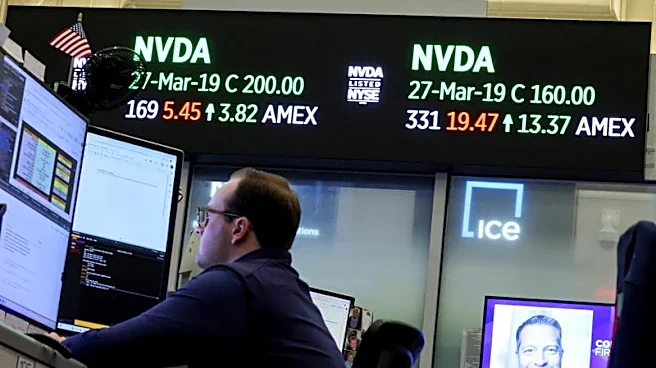
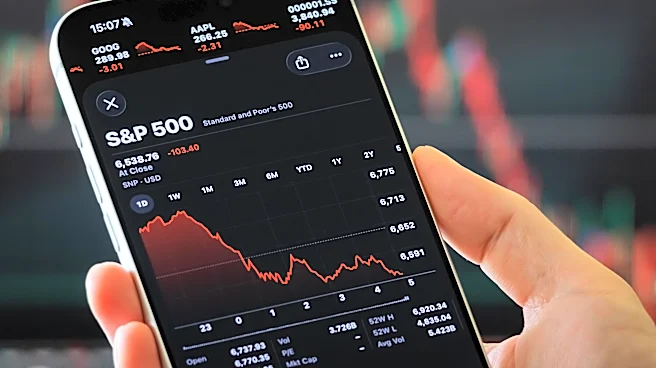
The Nasdaq and S&P 500 indices experienced a downturn on Tuesday, with investors pulling back from AI-linked stocks after a significant rally fueled by Nvidia. This comes after Jensen Huang was reinstated as Nvidia's CEO on Monday, leading to a 31.5%
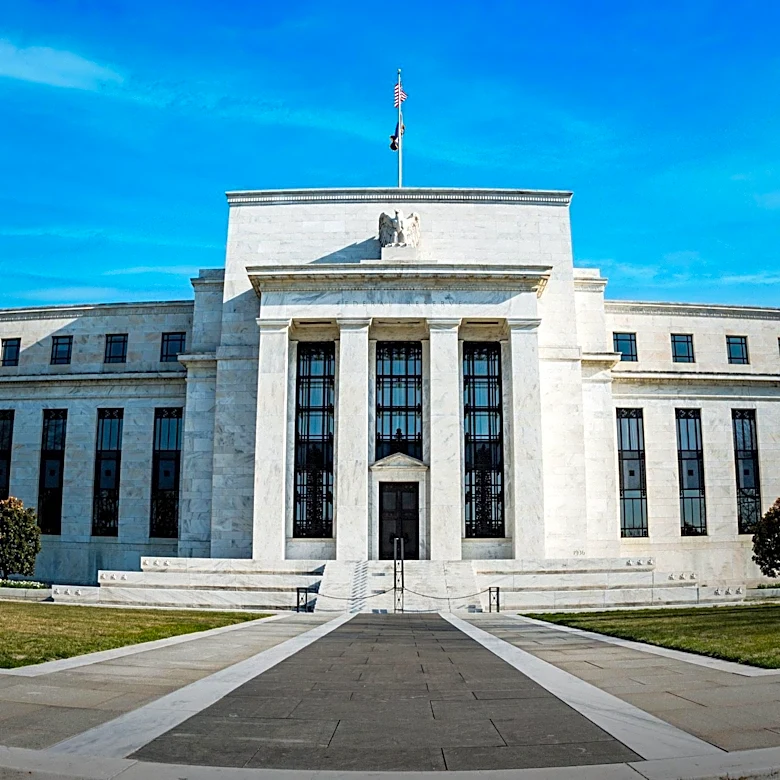
surge in the company's shares and adding nearly $1 trillion to its market value. On Tuesday, Nvidia's stock fell 8.4% as investors began to consider the political and governance risks associated with Huang's return. Other chip stocks, including the Philadelphia Semiconductor index, also saw declines, dropping 9.2%. Neocloud companies like CoreWeave and Nebius were down approximately 13% each. This market correction follows a period where AI-linked stocks had struggled due to investor concerns about debt-fueled spending and potential returns. New York Fed President John Williams also indicated that persistent inflation might lead to tighter monetary policy, with traders anticipating a 25-basis-point Fed rate hike next month.
Why It's Important?
The cooling of the AI-linked stock rally, particularly after Nvidia's significant gains, highlights investor sensitivity to market volatility and underlying economic factors. The initial surge in Nvidia's stock following Jensen Huang's reinstatement demonstrates the market's immediate reaction to leadership changes and perceived stability within key technology companies. However, the subsequent decline suggests a deeper scrutiny of long-term implications, including governance risks and broader economic conditions. This shift impacts the technology sector, especially companies heavily invested in AI, as investors re-evaluate the sustainability of rapid growth. The broader market, including the S&P 500 and Nasdaq, is affected by these movements, indicating a potential shift in investment strategies towards more defensive sectors like healthcare and consumer staples, as observed with the blue-chip Dow remaining afloat. The Federal Reserve's stance on inflation and potential rate hikes further adds to market uncertainty, influencing investment decisions across various industries.
What's Next?
Investors are now keenly awaiting the US PCE inflation report, which is the final major data release before the Federal Open Market Committee's last meeting of the year. This report will be crucial in shaping expectations for the Federal Reserve's monetary policy decisions, with traders currently pricing in a 25-basis-point rate hike next month. The market will also continue to monitor the performance of AI-linked stocks and the broader technology sector to assess whether the current pullback is a temporary correction or the beginning of a more sustained unwinding of the AI rally. The implications of Jensen Huang's reinstatement at Nvidia, particularly regarding political and governance risks, will likely remain a point of discussion among investors. Companies like Hewlett Packard Enterprise, Dell, and Super Micro Computer, which experienced declines, will be watched for their future performance and any adjustments to their fiscal outlooks.
Beyond the Headlines
The rapid rise and subsequent cooling of AI-linked stocks underscore a broader market dynamic where technological innovation, while promising, is subject to intense scrutiny regarding its financial viability and governance. The initial enthusiasm for AI, as seen with Nvidia's surge, reflects the transformative potential investors perceive in the technology. However, the quick reversal highlights the speculative nature of some investments and the importance of fundamental analysis beyond immediate headlines. The discussion around 'political and governance risks' associated with a CEO's return suggests a growing awareness among investors of factors beyond pure financial metrics, including corporate stability and ethical considerations. This trend could lead to a more cautious approach to high-growth sectors, emphasizing sustainable business models and robust corporate governance. The interplay between technological advancements, market sentiment, and macroeconomic indicators like inflation and interest rates will continue to shape investment landscapes, potentially leading to a re-evaluation of risk and reward in emerging sectors.