

What's Happening?
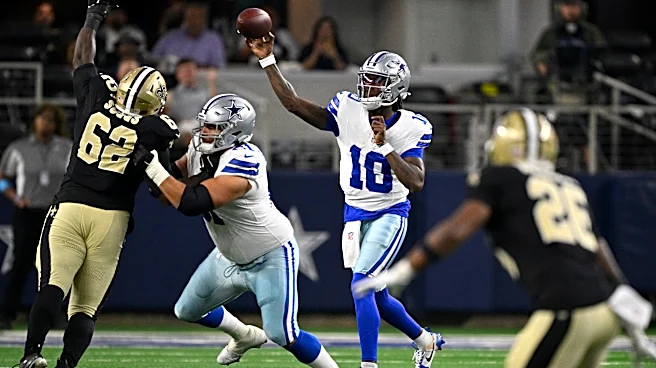
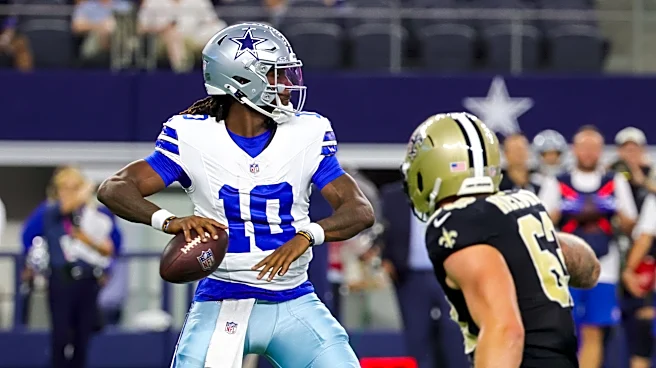
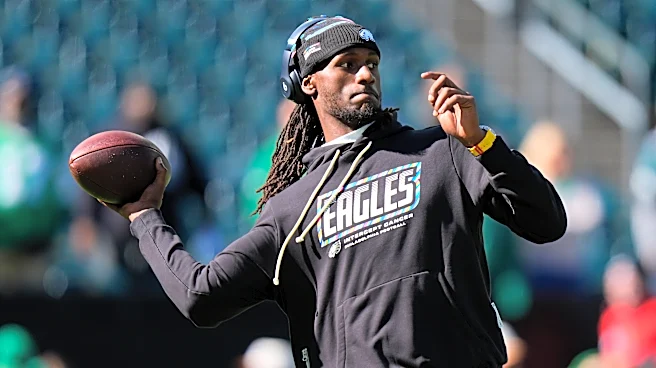
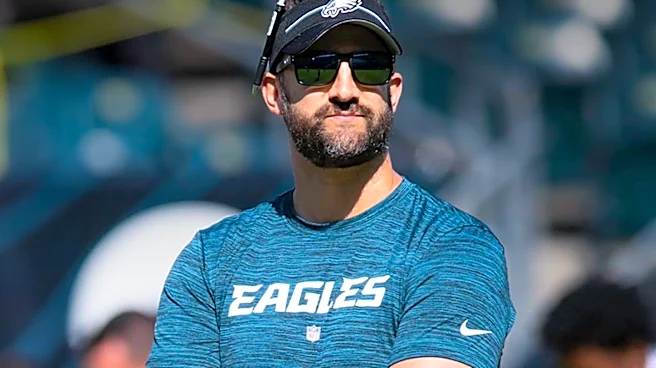
Philadelphia Eagles Head Coach Nick Sirianni intentionally withheld the announcement of Joe Milton as the starting quarterback against the New York Giants. Sirianni admitted his strategy was to keep the opposing team guessing for as long as possible,
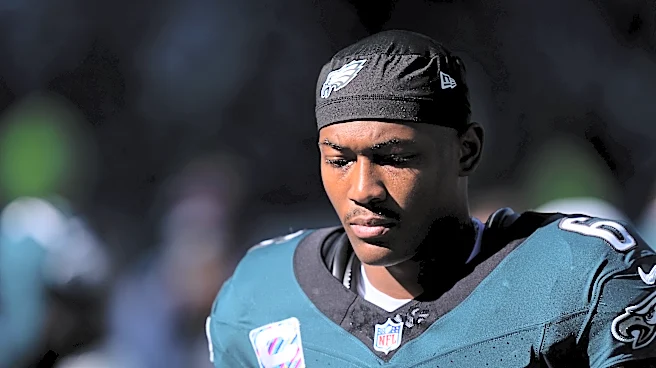
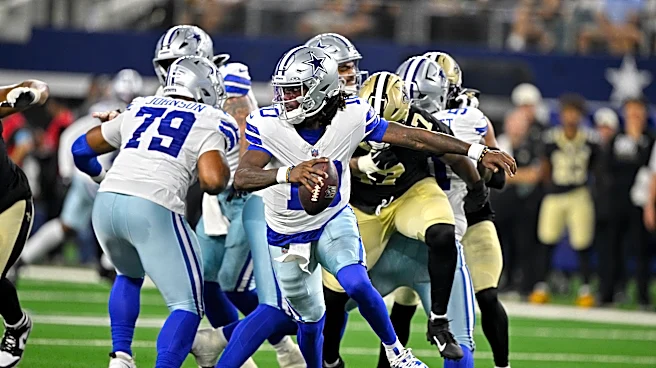
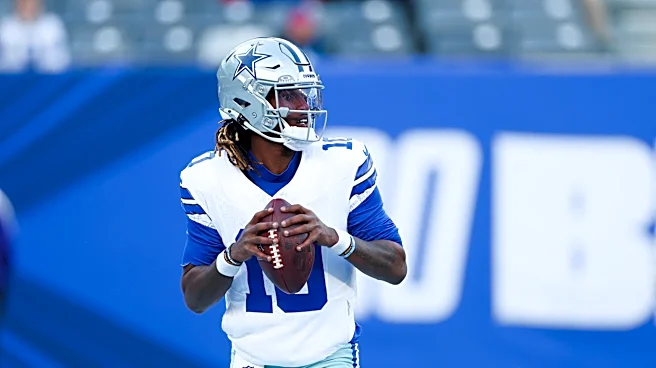
thereby reducing their preparation time for Milton. This decision meant Milton, who joined the Eagles from the Dallas Cowboys practice squad last month, would start over Tanner McKee. Milton has limited professional experience, with only 53 passes thrown, 37 completed, two touchdowns, and two interceptions. Despite his sparse career statistics, Milton expressed readiness for the upcoming game, stating that the coaching staff has thoroughly prepared him. The Eagles are currently on a six-game losing streak and hope this quarterback change will help reverse their fortunes. The team will also be without top receivers DeVonta Smith and Dontayvion Wicks, placing additional pressure on Milton and the remaining offensive players.
Why It's Important?
This tactical decision by Coach Sirianni highlights the strategic depth and psychological warfare prevalent in professional sports, particularly in the NFL. By delaying the announcement of the starting quarterback, the Eagles aimed to disrupt the Giants' game planning, forcing them to prepare for multiple scenarios or adapt on the fly. This could provide a crucial competitive edge, especially for a team like the Eagles, which is struggling with a six-game losing streak. For Joe Milton, this is a significant opportunity to prove his capabilities as an NFL starter, despite his limited experience. His performance will be closely watched, as it could influence future roster decisions and the team's trajectory for the remainder of the season. The absence of key receivers also means Milton will need to rely on his mobility and the support of his remaining teammates, making this game a critical test of his adaptability and leadership under pressure.
What's Next?
Joe Milton is scheduled to make his first NFL start on Sunday, November 8, at 1 p.m. ET against the New York Giants at Lincoln Financial Field. The outcome of this game will be crucial for the Eagles, as they aim to break their six-game losing streak. Following the game, Coach Sirianni's decision to conceal the quarterback change will likely be scrutinized based on Milton's performance and the team's result. If the Eagles win, the strategy will be hailed as a success; if they lose, it may draw criticism. The team will also need to assess how Milton integrates with the offense, especially given the absence of key receivers. His performance will determine whether he continues as the starter or if the team considers other options for future games. The Giants, having faced a last-minute change in opponent preparation, will also analyze their response to such tactical maneuvers.
Beyond the Headlines
The Eagles' decision to hide their starting quarterback until the last minute raises broader questions about sportsmanship and the ethics of competitive advantage in professional leagues. While within the rules, such tactics can be seen as pushing the boundaries of fair play, emphasizing the 'win at all costs' mentality. This approach can also impact player psychology, particularly for a new starter like Milton, who is thrust into a high-pressure situation with minimal public lead-up. It underscores the intense pressure on coaches to innovate and find any possible edge in a highly competitive environment. Furthermore, it highlights the role of information control in modern sports, where data and intelligence gathering are paramount. The success or failure of this strategy could influence how other NFL teams approach similar situations in the future, potentially leading to more widespread adoption of such information-hiding tactics.