






What's Happening?
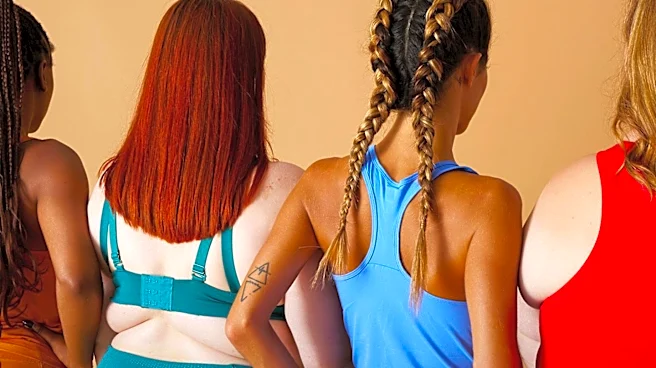
The fashion industry continues to face challenges in embracing plus-size inclusivity, despite 67% of American women wearing plus sizes. The industry has been slow to adapt, with runway models and retail offerings still predominantly catering to smaller
sizes. Efforts like Old Navy's Bodequality, which aimed to integrate plus sizes into main collections, have faced setbacks, with the program being pulled from several stores due to supply issues. The definition of plus size remains inconsistent, with varying starting points across brands. This inconsistency highlights the industry's struggle to cater to a significant portion of the market.
Why It's Important?
The lack of inclusivity in the fashion industry has significant implications for both consumers and businesses. For consumers, particularly plus-size women, the limited availability of fashionable and well-fitting clothing can impact self-esteem and body image. For businesses, failing to cater to a majority demographic represents a missed economic opportunity. The plus-size market is substantial, with spending on women's plus-size clothing reaching billions annually. Brands that fail to address this demand risk losing out to competitors who prioritize inclusivity. The industry's slow progress also reflects broader societal attitudes towards body size and diversity.
What's Next?
The fashion industry may need to reevaluate its approach to sizing and inclusivity. Brands could benefit from investing in better pattern development and manufacturing processes that cater to a wider range of body types. Additionally, there may be a push for more consistent definitions of plus size across the industry. As consumer demand for inclusivity grows, brands that adapt quickly could gain a competitive edge. The industry's response to these challenges will likely influence future trends in fashion retail and marketing strategies.
Beyond the Headlines
The ongoing debate about size inclusivity in fashion also touches on ethical and cultural dimensions. The industry's historical focus on smaller sizes has perpetuated narrow beauty standards, contributing to societal pressures around body image. As more brands embrace inclusivity, there could be a cultural shift towards greater acceptance of diverse body types. This shift may also influence other industries, such as media and advertising, to adopt more inclusive practices. The conversation around plus-size fashion is part of a broader movement towards diversity and representation in various sectors.