






What's Happening?
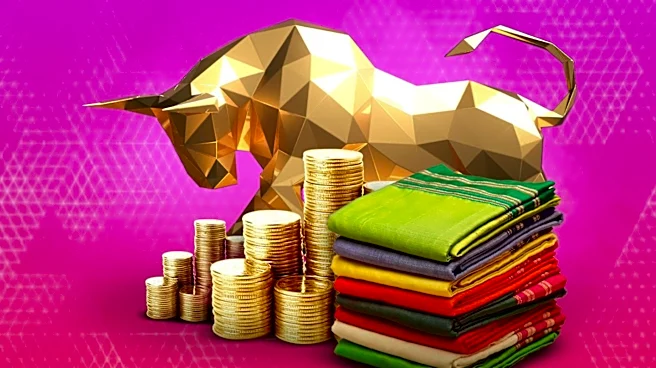
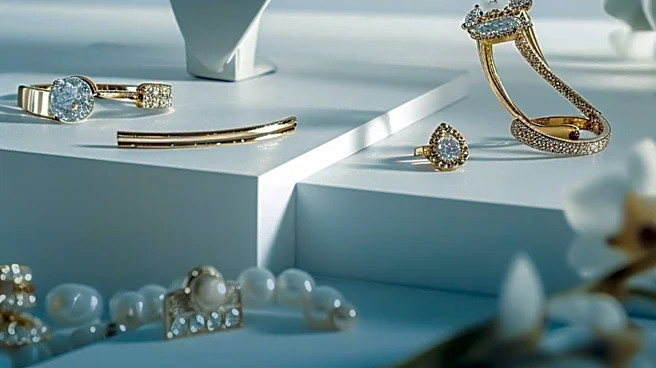
The global luxury jewelry market is projected to reach $59 billion this year, a significant boom driven by a shift in consumer perception where jewelry is increasingly seen as both an adornment and an asset. Luxury houses are responding by moving upmarket,
offering high jewelry collections that are often one-of-a-kind or extremely limited, with prices frequently in the six figures. Even brands not traditionally associated with high jewelry, such as Louis Vuitton and Hermès, have entered this segment. The fine jewelry sector is also evolving, with branded collections outperforming the overall market. A notable trend is the increasing number of women purchasing jewelry for themselves, and sustainability and traceability are becoming key selling points. Independent designers are competing with established houses by focusing on unique design and wearability. Gina Love, founder of Auvere Jewelry, emphasizes high-karat gold (22K and 24K) in her designs, prioritizing substance and clarity in a market often perceived as trading on illusion.
Why It's Important?
This growth and evolution in the luxury jewelry market have significant implications for U.S. consumers and businesses. The dual role of jewelry as both a personal adornment and a tangible asset influences investment strategies and consumer spending habits. For U.S. luxury retailers and independent designers, adapting to this trend means focusing on high-value, unique pieces and transparent sourcing. The increasing demand for sustainability and traceability reflects a growing consumer consciousness, pushing brands to adopt more ethical practices. This shift can create opportunities for U.S. companies that prioritize responsible sourcing and transparent supply chains, potentially leading to a more ethical and accountable industry. The rise of women buying jewelry for themselves also indicates a change in consumer demographics and purchasing power, requiring marketing strategies to evolve accordingly.
What's Next?
The luxury jewelry market is expected to continue its trajectory of growth, with an ongoing emphasis on high-karat gold and unique, investment-worthy pieces. Brands will likely further integrate sustainability and traceability into their core business models to meet consumer demand. Independent designers, like Gina Love, will continue to challenge traditional market norms by offering distinctive designs and transparent material sourcing. Consumers can anticipate a wider array of high-karat gold options and more detailed information about the origin and ethical production of their jewelry. The market will also likely see continued innovation in design and materials, as brands strive to differentiate themselves in an increasingly competitive landscape. The focus on jewelry as an asset may also lead to increased interest from financial investors.
Beyond the Headlines
The transformation of the luxury jewelry market reflects broader societal shifts, including increased financial independence among women and a growing global awareness of ethical consumption. The emphasis on high-karat gold, often seen as a more stable investment, highlights economic uncertainties and a desire for tangible assets. The push for sustainability and traceability in jewelry production mirrors similar movements in other luxury sectors, indicating a fundamental change in consumer values. This trend could lead to a redefinition of luxury itself, moving beyond mere opulence to encompass ethical responsibility and enduring value. The market's evolution also presents a challenge to traditional marketing, requiring brands to tell compelling stories about their materials and craftsmanship, fostering a deeper connection with consumers who seek both beauty and meaning in their purchases.