








What's Happening?
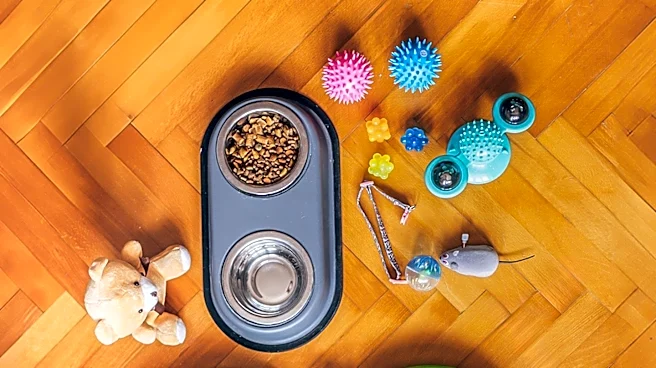
The global cat toy refill market is experiencing significant growth, with major trends including the integration of smart sensors and app connectivity for personalized play. Modular designs that allow for easy replacement of worn components are also gaining
traction. There is a rising demand for puzzle-based and treat-dispensing refills, alongside a premium pricing strategy supported by claims of mental stimulation and behavior improvement for pets. The market is bifurcating into a high-volume, low-margin commodity tier and a premium, benefit-led tier. E-commerce and mass-market discount channels are driving volume growth, while specialty pet stores and direct-to-consumer (DTC) subscriptions are catering to the premium segment. Key players in this market include PetSafe, Catit, Trixie Pet Products, Petmate, and Outward Hound. The market is characterized by high purchase frequency and low ticket values, with innovation focusing on material safety, interactive functionality, and subscription-friendly packaging.
Why It's Important?
This trend signifies a broader shift in the pet care industry towards technology integration and personalized pet experiences. The emphasis on smart sensors and app connectivity in cat toys reflects the increasing humanization of pets, where owners are willing to invest in advanced products for their pets' well-being and entertainment. The growth of subscription and auto-replenishment models indicates a move towards convenience and recurring revenue streams for businesses, mirroring trends seen in other consumer goods sectors. For U.S. consumers, this means a wider array of sophisticated and engaging options for their feline companions, potentially leading to improved pet health and behavior through mental stimulation. For businesses, it highlights the importance of innovation in product design, leveraging technology, and adapting to e-commerce and subscription-based sales strategies to remain competitive in a growing market.
What's Next?
The cat toy refill market is projected to continue its steady growth through 2035, with a focus on premiumization and defending brand equity against private-label encroachment. Further advancements in sensor technology, battery efficiency, and app-connected play are expected to enable more personalized play schedules and remote interaction for pet owners. Companies will likely invest more in modular and refillable designs to capture repeat purchases and cater to the demand for interactive and electronic toy refills. The expansion of e-commerce and subscription boxes will continue to be a primary driver for volume growth, while specialty pet stores will focus on curated assortments. Businesses will need to navigate intense margin pressure from retailer-owned brands by continuously innovating features and increasing promotional spending.
Beyond the Headlines
The evolution of the cat toy refill market points to a deeper societal trend of integrating technology into every aspect of daily life, including pet care. The focus on 'smart' features in pet products raises questions about the balance between technological advancement and the natural needs of animals. While smart toys can offer mental stimulation, there's also a potential for over-reliance on technology to entertain pets, possibly reducing direct human-animal interaction. Furthermore, the rise of subscription models for pet supplies could lead to increased consumer loyalty but also potential concerns about data privacy related to pet activity tracking. The market's bifurcation also highlights growing economic disparities, with premium products catering to affluent pet owners and value brands serving a more price-sensitive demographic, potentially creating different standards of pet enrichment based on economic status.