




What's Happening?
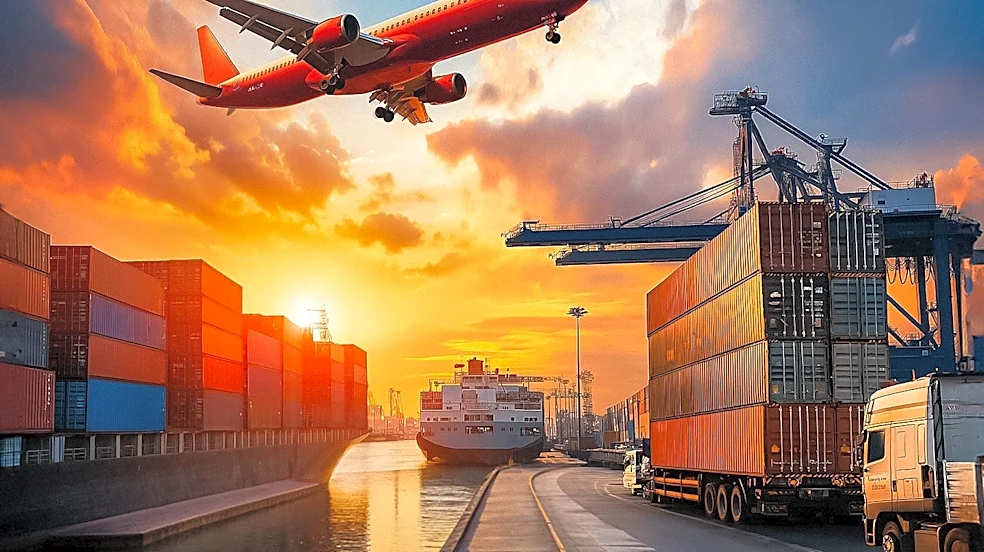
Businesses are being advised to strategically evaluate when to utilize air freight services, particularly for shipments where delays can incur significant costs. The guidance emphasizes that while air freight is more expensive than other shipping methods,
its value becomes apparent when the cost of waiting for a shipment outweighs the additional transportation expense. Key scenarios where air freight is recommended include situations where production lines are halted due to missing components, product launch dates are imminent, urgent customer orders need fulfillment, or a narrow sales window is closing. The advice highlights the importance of considering the total cost of delay, which can include lost sales opportunities, production downtime, and customer dissatisfaction, rather than solely focusing on the freight invoice. Businesses are encouraged to assess their specific needs, cargo requirements, and the complete door-to-door timeline when deciding on air freight.
Why It's Important?
The strategic use of air freight is crucial for businesses operating in today's fast-paced global economy. In an environment where supply chain disruptions can have cascading effects, the ability to quickly move critical goods can be a competitive advantage. For U.S. businesses, this means maintaining operational continuity, meeting customer expectations, and capitalizing on market opportunities. Industries such as manufacturing, technology, and retail often face tight deadlines and high demand for just-in-time inventory, making air freight a vital tool. Misjudging shipping needs can lead to substantial financial losses, damaged reputations, and decreased customer loyalty. By understanding when to leverage air freight, companies can optimize their logistics, minimize downtime, and ensure that high-value or time-sensitive products reach their destination efficiently, thereby protecting revenue and market share.
What's Next?
Businesses are expected to increasingly integrate sophisticated logistics planning into their operational strategies, with a greater emphasis on dynamic decision-making regarding shipping methods. This will likely involve leveraging data analytics to better predict demand, assess the financial impact of delays, and optimize transportation choices. Logistics providers will continue to offer more tailored air freight solutions, including expedited customs clearance and end-to-end tracking, to meet diverse business needs. Companies may also explore hybrid shipping models, combining air freight for critical components with slower, more cost-effective methods for less urgent items. The ongoing evolution of global supply chains, influenced by geopolitical events and technological advancements, will further drive the need for flexible and responsive freight strategies, making the informed use of air freight an even more critical component of business resilience.
Beyond the Headlines
The discussion around air freight extends beyond mere cost-benefit analysis, touching upon broader themes of supply chain resilience and global economic interconnectedness. In an era marked by unpredictable events, from pandemics to geopolitical tensions, the ability to rapidly adjust logistics strategies, including the judicious use of air freight, becomes a cornerstone of business survival. This highlights a shift from purely cost-driven logistics to a more value-driven approach, where the cost of inaction or delay is weighed against the premium for speed. Furthermore, the reliance on air freight for critical components underscores the intricate global dependencies in modern manufacturing and commerce. Ethical considerations also emerge, such as the environmental impact of increased air cargo, prompting businesses to balance speed and sustainability. Ultimately, strategic air freight utilization reflects a mature understanding of complex supply chain dynamics and risk management in a volatile global marketplace.