





What's Happening?
The ketogenic (keto) diet, a popular low-carb, high-fat eating plan, is being adapted for plant-based lifestyles, offering an alternative to its traditional reliance on meat and dairy. While the conventional keto diet typically consists of 70-80% fat,
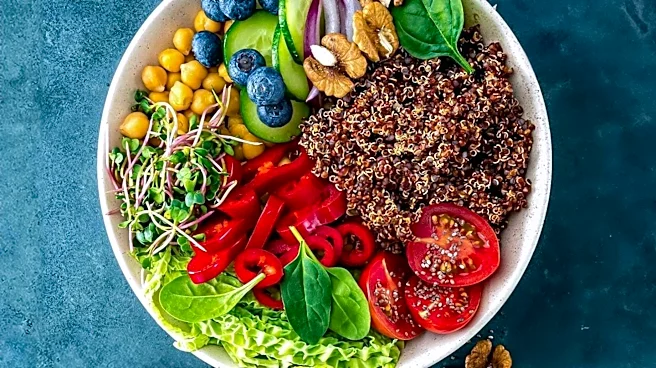
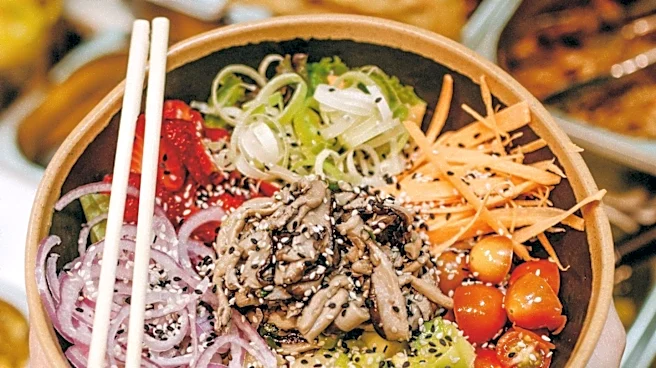
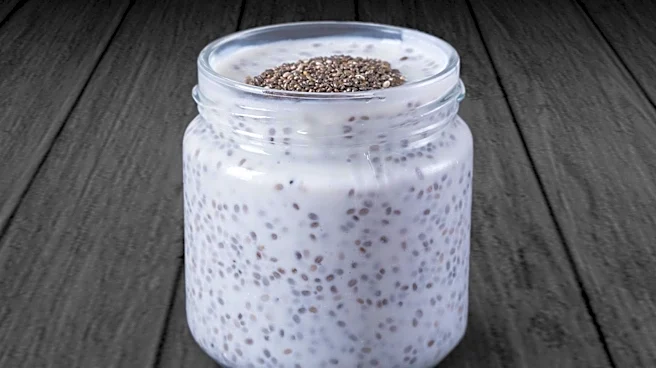
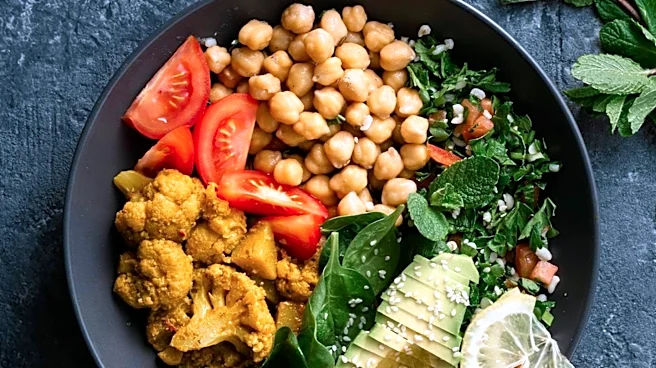
10-20% protein, and 5-10% carbohydrates (under 50 grams daily), a plant-based keto approach modifies these sources. This adaptation allows individuals, including vegans and vegetarians, to achieve ketosis—where the body burns fat for fuel—by focusing on plant-derived fats and proteins. Experts suggest that a plant-based keto diet can incorporate fewer processed foods and more fruits and vegetables, addressing sensitivities many people have to meat and dairy. Will Cole, a functional medicine practitioner, notes that traditional keto diets can be inflammatory due to high consumption of lower-quality or industrially produced meats. The plant-based version emphasizes sources like nuts, seeds, tempeh, leafy greens for protein, and healthy fats from avocados, coconut oil, and olives, while still limiting carbs to berries, broccoli, and Brussels sprouts.
Why It's Important?
This evolution of the keto diet is significant for broadening its accessibility and potentially enhancing its health benefits for a wider demographic in the U.S. By offering a plant-based option, the diet becomes viable for individuals with dietary restrictions, ethical concerns about animal products, or those seeking to reduce their meat and dairy intake. Amy Shapiro, a registered dietitian, highlights that a plant-based keto diet can lead to a lower intake of saturated fat, increased healthy fats, higher fiber intake, and greater nutrient density from plants. This approach is considered more anti-inflammatory and inclusive, potentially benefiting those with food sensitivities. While weight loss remains a primary driver for many pursuing keto, the plant-based version also offers advantages like the elimination of processed foods and added sugars, contributing to overall metabolic health. However, experts caution that while it may lead to weight loss, maintaining healthy habits is crucial to prevent weight regain, and it may not be suitable for individuals prone to yo-yo dieting or those with underlying health conditions without medical consultation.
What's Next?
As interest in both plant-based eating and ketogenic diets continues to grow, further research is expected to explore the long-term health outcomes and optimal implementation of plant-based keto. Individuals considering this dietary shift are advised to consult with healthcare providers or registered dietitians to ensure it aligns with their individual health needs and goals. The focus will likely remain on carefully selecting plant-based sources to meet macronutrient targets while ensuring adequate micronutrient intake, as restricting food groups can pose challenges. The development of more specialized plant-based keto recipes and meal plans is also anticipated, making it easier for people to adopt and sustain this lifestyle. Additionally, the medical community may further investigate the specific impacts of plant-based keto on various health markers beyond weight loss, such as inflammation, gut health, and chronic disease prevention, to provide more comprehensive guidance.
Beyond the Headlines
The emergence of a plant-based keto diet reflects a broader societal trend towards more conscious and personalized nutrition. It highlights a growing awareness of the environmental and ethical implications of food choices, alongside a persistent desire for effective weight management and health improvement. This dietary adaptation challenges the traditional perception of keto as a meat-heavy regimen, demonstrating flexibility within restrictive eating patterns. It also underscores the ongoing debate about the sustainability and healthfulness of different dietary approaches, particularly in a country grappling with high rates of chronic diseases linked to diet. The emphasis on whole, unprocessed plant foods within a keto framework could lead to a re-evaluation of dietary guidelines and encourage a more holistic view of nutrition that integrates both macronutrient ratios and food source quality. This trend could also influence the food industry, driving innovation in plant-based, low-carb products to meet evolving consumer demands.