
What's Happening?
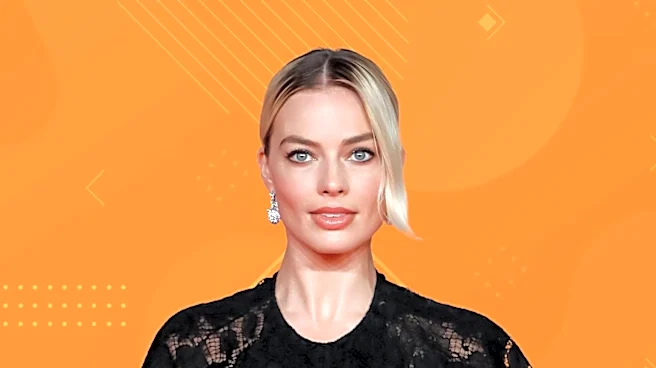
Australian actress Margot Robbie is set to return to the long-running soap opera 'Neighbours' in a new format, approximately 15 years after her initial departure. Instead of filming new scenes, Robbie's
character, Donna Freedman, will be featured in micro-episodes created by RoseBerry Media. These short, vertical videos are being produced using artificial intelligence to recut and reformat original scenes from her time on the show between 2008 and 2011. The project, developed for RoseBerry Media's Epis platform, aims to bring beloved intellectual property to new audiences and explore commercial opportunities from established television libraries. The initial micro-episodes will focus on two specific storylines involving Robbie's character, with a total of about 150 minutes of content planned. This initiative highlights how technology can unlock new value from extensive content archives.
Why It's Important?
This development signifies a notable shift in how archived television content can be monetized and re-engaged with audiences, particularly in the U.S. market where streaming and short-form video consumption are dominant. For Fremantle, the production company behind 'Neighbours,' and RoseBerry Media, it represents an innovative approach to leveraging existing intellectual property without requiring new productions or the physical presence of original cast members. This model could set a precedent for other long-running series with extensive libraries, offering a cost-effective way to generate new content and revenue streams. It also addresses the challenge of maintaining relevance for older shows in a rapidly evolving media landscape, potentially attracting younger viewers who prefer vertical video formats. The success of this AI-driven re-editing could influence future content strategies across the entertainment industry, impacting how studios and platforms view their archives.
What's Next?
The immediate next step involves the release of these AI-generated micro-episodes featuring Margot Robbie's character on RoseBerry Media's Epis platform. The reception of these episodes by both long-time fans and new audiences will be crucial in determining the viability and scalability of this technological approach. If successful, it is likely that more characters and storylines from the 'Neighbours' archive, and potentially other shows, will undergo similar AI-driven reformatting. This could lead to further collaborations between technology companies and content owners to explore new ways of repackaging and distributing existing media. The project also opens discussions about the future role of AI in content creation and curation, and how it might impact traditional production methods and intellectual property rights in the entertainment sector.
Beyond the Headlines
The use of AI to re-edit and re-contextualize existing footage raises intriguing ethical and creative questions. While it offers a novel way to extend the life of beloved characters and narratives, it also touches upon the authenticity of an actor's 'return' without their direct involvement in new performances. This could lead to broader industry discussions about consent, digital likeness rights, and the definition of 'new content' in an AI-driven era. Furthermore, the focus on vertical video formats for platforms like Epis reflects a deeper cultural shift in media consumption, particularly among younger demographics. This technological adaptation of classic content highlights the ongoing tension between preserving artistic integrity and adapting to new audience preferences and technological capabilities, potentially reshaping how we perceive and interact with media archives.