

What's Happening?
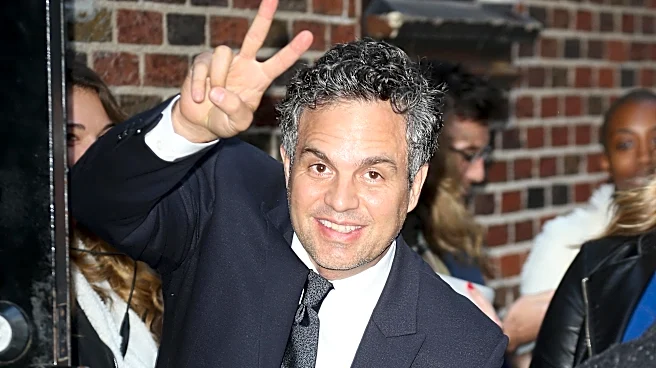
Actor Mark Ruffalo, alongside other Hollywood personalities including Jane Fonda and Janelle Monáe, has publicly condemned nine major venues for allegedly turning away Macklemore's tour. An open letter, sent by the Committee for the First Amendment, challenges
these rejections, which reportedly occurred after venues learned the concerts aimed to raise money for Palestinian humanitarian relief. The letter highlights that offered dates for Macklemore's tour, which included venues like New York's Madison Square Garden and Los Angeles's Kia Forum, disappeared once the purpose of the concerts became known. Despite one venue reportedly claiming Macklemore was 'not an arena-level act,' the rapper recently performed sold-out arena shows internationally in London, Dublin, and Paris. The signatories argue that publicly funded arenas should not suppress artistic expression based on political views and call for the venues to reconsider their decisions.
Why It's Important?
This situation underscores a growing tension between artistic freedom and venue management, particularly when political or humanitarian causes are involved. The involvement of prominent figures like Mark Ruffalo, Jane Fonda, and Janelle Monáe amplifies the issue, drawing significant public attention to the alleged censorship. If venues are indeed rejecting artists based on the political nature of their fundraising efforts, it could set a precedent that limits the platforms available for artists advocating for various causes. This could impact the ability of musicians and performers to use their platforms for social and political activism, potentially chilling free speech within the entertainment industry. The debate also raises questions about the responsibilities of publicly funded venues to remain neutral or to uphold principles of free expression.
What's Next?
The open letter from Mark Ruffalo and other signatories calls on the nine venues to reconsider their decisions and protect artistic expression. The Committee for the First Amendment has also invited other actors and personalities to join their campaign, indicating a potential for broader industry-wide support and pressure on these venues. The outcome of this situation could influence how venues approach bookings for artists involved in political or humanitarian causes in the future. It may also lead to further discussions and actions regarding the role of entertainment venues in facilitating or restricting politically charged performances. The ongoing public discourse surrounding Macklemore's tour and the venues' alleged actions will likely continue to evolve as more information becomes available and as stakeholders respond.
Beyond the Headlines
This incident touches upon deeper implications concerning freedom of speech and the commercial pressures within the entertainment industry. The argument that publicly funded arenas cannot distance themselves from efforts to silence artists over their political views highlights a fundamental debate about the public trust and ethical obligations of such institutions. It also brings to light the potential for 'soft censorship,' where financial or logistical obstacles are used to indirectly suppress content deemed controversial. This situation could prompt a re-evaluation of venue policies regarding political activism and fundraising, potentially leading to clearer guidelines or increased scrutiny from advocacy groups. The involvement of high-profile celebrities also underscores the power of cultural figures to influence public opinion and challenge perceived injustices within their industry.