
What's Happening?
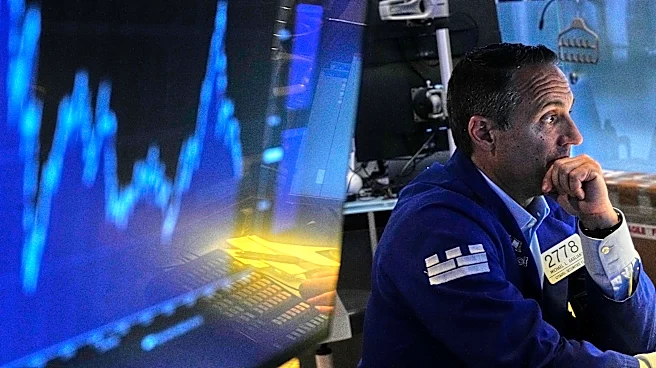
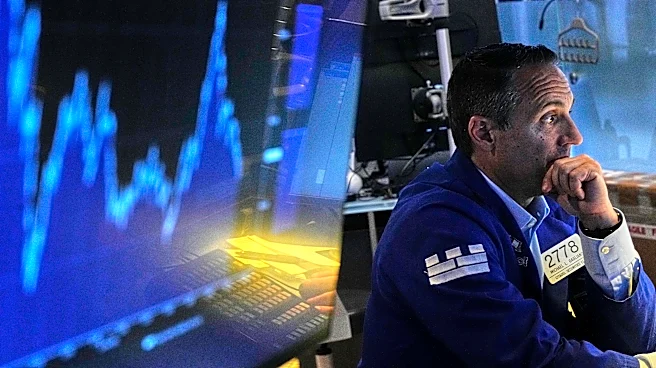
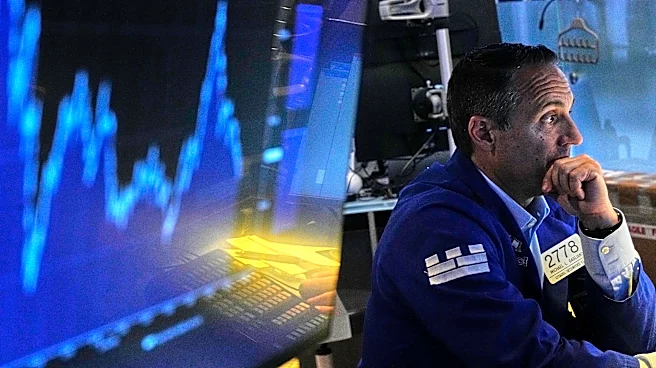
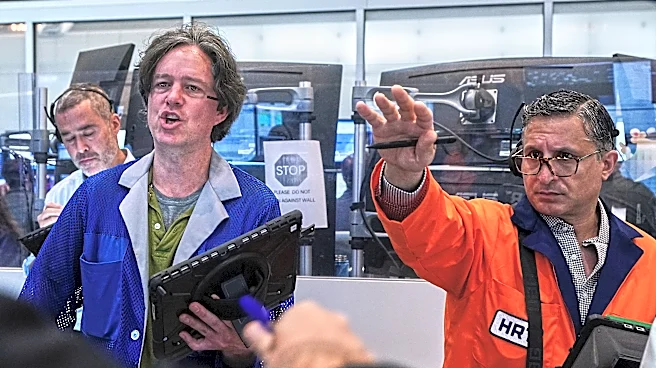
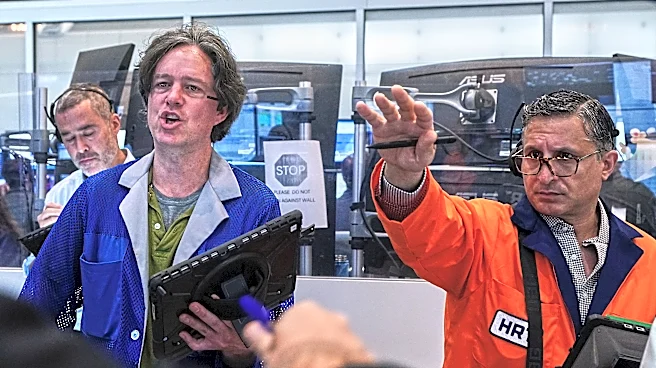
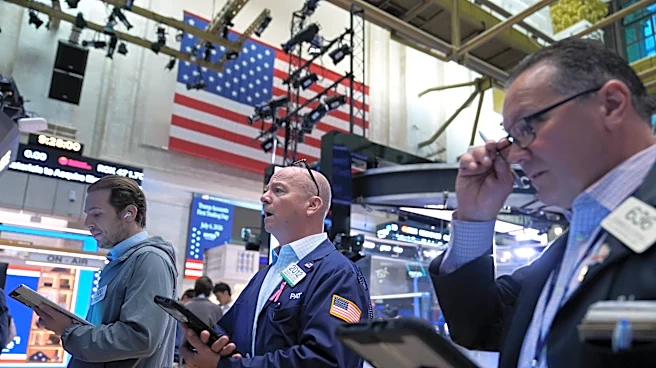
The U.S. stock market experienced significant volatility on July 23, 2026, as major indices recorded substantial declines. The Dow Jones Industrial Average fell by 507 points, or nearly 1%, while the S&P
500 and Nasdaq Composite dropped by 1.2% and 2.15%, respectively. This downturn was driven by a combination of rising oil prices, with Brent crude surpassing $100 per barrel due to renewed conflict in the Middle East, and disappointing earnings reports from major tech companies like Alphabet and Tesla. Alphabet's shares fell nearly 7% following concerns over increased spending plans for artificial intelligence, while Tesla's shares plummeted 14.5% after reporting quarterly profits that did not meet Wall Street expectations.
Why It's Important?
The volatility in the stock market highlights the interconnectedness of global events and economic indicators. Rising oil prices, driven by geopolitical tensions, have a direct impact on inflation expectations and central bank policies. The Federal Reserve may consider maintaining or increasing interest rates to combat inflationary pressures, affecting borrowing costs across the economy. Additionally, the tech sector's performance is crucial as it represents a significant portion of the market. The declines in Alphabet and Tesla shares reflect investor concerns about future profitability and spending, which could influence broader market sentiment and investment strategies.
What's Next?
Investors and market analysts will closely monitor the Federal Reserve's upcoming policy meeting, where decisions on interest rates could further influence market dynamics. The ongoing conflict in the Middle East and its impact on oil prices will also be a key focus, as any escalation could exacerbate inflationary pressures. Additionally, the market will watch for any signs of de-escalation in geopolitical tensions, which could stabilize oil prices and reduce market volatility. Companies in the tech sector may need to reassess their spending strategies to align with investor expectations and market conditions.