



What's Happening?
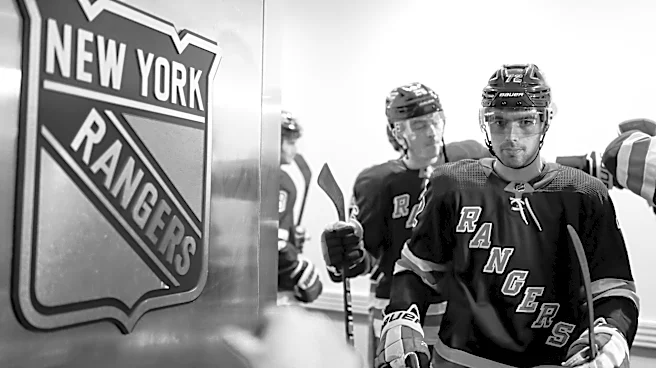
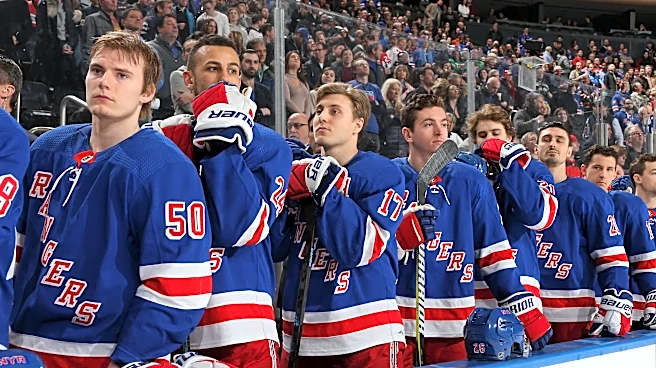
New York Rangers forward Matt Rempe was a healthy scratch for the 17th time this season, sitting out the team's 5-1 loss to the Buffalo Sabres. This decision came after Rempe had played in the previous two games. Taylor Raddysh took his place on the right
wing of the fourth line. Head coach Mike Sullivan indicated that he has had multiple conversations with Rempe this season about how he can positively impact the game. Sullivan emphasized elements such as forechecking, physical play to disrupt opponents, holding onto pucks in the offensive zone, and being effective at the net front. The coach noted that when Rempe is at his best, these elements are prevalent, and the team is seeking more consistency in these areas from the 6-foot-9 forward. The Rangers' performance in the game against the Sabres was also highlighted, with Sullivan pointing to issues with puck management, a lack of discipline from the third forward in the offensive zone, and poor execution with the puck, which led to several odd-man rushes against them.
Why It's Important?
The repeated healthy scratching of Matt Rempe signals ongoing strategic adjustments by the New York Rangers' coaching staff to optimize team performance and player development. For Rempe, a young player, these decisions are crucial for his growth and understanding of what is required to maintain a consistent spot in the lineup. It underscores the competitive nature of professional hockey, where even after recent appearances, players must continuously demonstrate specific contributions to the team's system. The coach's detailed feedback on puck management and offensive zone discipline highlights key areas of focus for the Rangers, indicating a commitment to fundamental hockey principles. The team's struggles with odd-man rushes against the Sabres, despite generally minimizing them this season, point to potential vulnerabilities that the coaching staff is actively trying to address through lineup changes and tactical emphasis. This situation impacts team dynamics, as players vie for ice time and roles, ultimately influencing the team's overall success and playoff aspirations.
What's Next?
Following this latest healthy scratch, Matt Rempe will likely continue to work on the specific aspects of his game highlighted by Coach Sullivan, focusing on consistency in forechecking, physical play, puck possession in the offensive zone, and net-front presence. His future playing time will depend on his ability to demonstrate these improvements in practice and potential future opportunities. The Rangers, meanwhile, are scheduled to practice in Chicago before their upcoming game against the Blackhawks. The coaching staff will likely use this practice time to reinforce puck management strategies and defensive zone discipline, aiming to prevent the kind of odd-man rushes that plagued them against the Sabres. Further lineup adjustments could be made based on player performance in practice and the specific opponent. The team's overall performance in upcoming games will be closely watched to see if these strategic changes and emphasis on fundamental play lead to improved results and a more consistent team effort.
Beyond the Headlines
The ongoing situation with Matt Rempe reflects a broader challenge faced by many young, physically imposing players in the NHL: translating raw talent and size into consistent, impactful performance within a structured team system. While Rempe's physical presence is undeniable, the coaching staff's emphasis on 'puck management' and 'discipline' points to the evolving demands of the modern game, where skill and tactical awareness are paramount alongside physicality. This scenario also highlights the delicate balance coaches must strike between player development and immediate team success. Repeated scratches, while potentially frustrating for a player, can serve as critical learning opportunities, forcing them to refine their game. For the Rangers, it underscores their commitment to a merit-based system, where even popular players must earn their ice time through adherence to team principles. This approach, if successful, could cultivate a more disciplined and effective roster in the long term, but it also carries the risk of impacting player morale if not managed carefully.