

What's Happening?
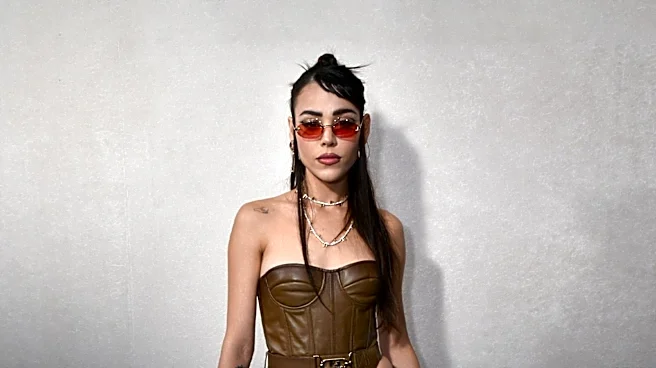
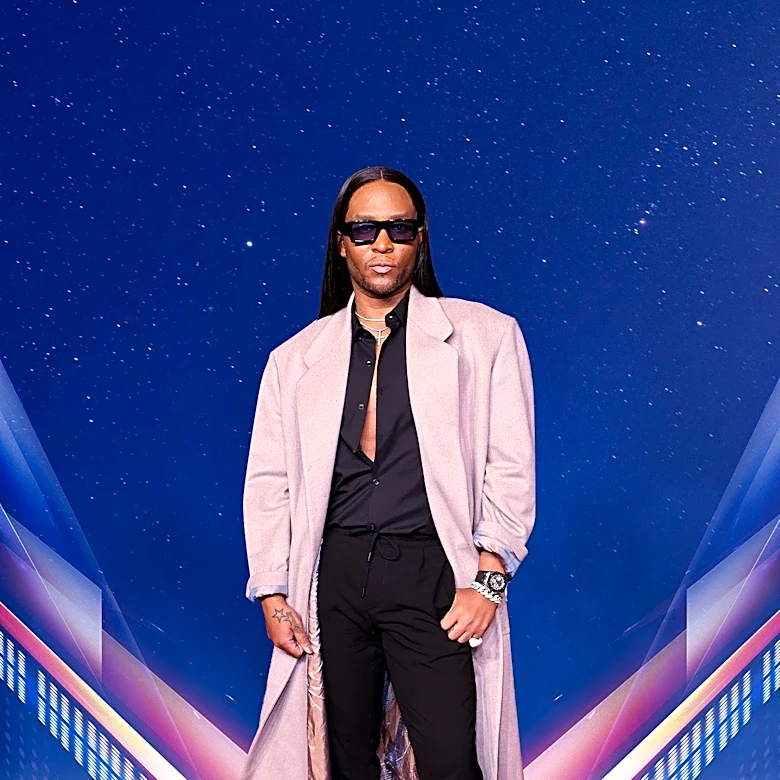
Fashion subcultures, originating from diverse communities like goth, skateboarding, and rave culture, have significantly influenced mainstream fashion. These subcultures have developed unique styles that serve as identifiers and expressions of identity.
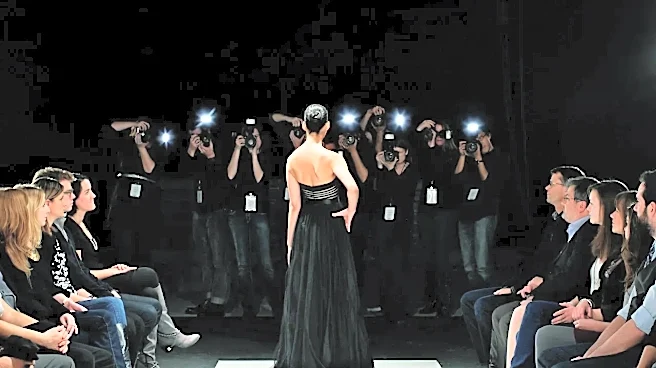
High-fashion designers, such as Alexander McQueen, have incorporated elements from these niche groups into their collections. Urban apparel, once a subculture identifier, has become a global force, impacting fast-fashion retail and luxury boutiques. This shift has democratized style, allowing individuals to express their identity, political views, and musical tastes through their clothing. The internet and social media have accelerated this trend, enabling rapid dissemination of styles from local communities to a global audience, leading to a fast-fashion cycle and the rise of style influencers.
Why It's Important?
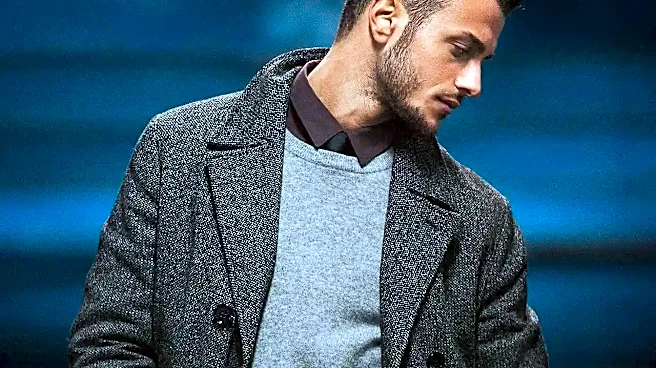
The evolution of fashion subcultures into mainstream trends highlights a significant shift in the fashion industry's power dynamics. Traditionally, luxury houses dictated styles, but now, grassroots movements and youth culture are driving innovation. This democratization of style empowers individuals and smaller communities, offering new avenues for self-expression and cultural identity. For businesses, this means a constant need to adapt to rapidly changing trends and engage with diverse subcultures. Luxury brands, initially skeptical, have increasingly embraced these influences through collaborations and by hiring creative directors from urban fashion backgrounds, recognizing the cultural and financial relevance of this demographic. This integration also sparks debates about authenticity and cultural appropriation, as luxury interpretations of street styles can sometimes strip them of their original meaning.
What's Next?
The rapid pace of digital trends, fueled by social media, suggests a continued acceleration of the fashion cycle. Micro-trends will likely emerge and fade even more quickly, demanding constant adaptation from designers and retailers. There will be an ongoing tension between the desire for newness and a growing counter-movement towards sustainability and ethical consumption. Consumers, particularly younger generations, are increasingly pushing for eco-conscious practices, including thrifting, upcycling, and supporting environmentally responsible brands. This could lead to a greater emphasis on timeless, archival wardrobes over fleeting digital hype, potentially reshaping production and consumption patterns in the fashion industry. The debate around cultural appropriation in luxury fashion is also expected to persist, prompting brands to engage more thoughtfully with the origins of their inspirations.
Beyond the Headlines
The profound influence of fashion subcultures extends beyond mere aesthetics, reflecting deeper societal shifts in identity, community, and rebellion. These styles often originate from marginalized groups, serving as a visual rebellion and a way to claim space in society. The adoption of these styles by mainstream and luxury fashion can be seen as both validation and commodification. Ethically, this raises questions about who benefits from these trends and whether the original cultural context is respected or diluted. The digital age has amplified these dynamics, creating a global dialogue around style that blurs geographical and social boundaries. This continuous evolution underscores fashion as a powerful form of cultural dialogue, where personal expression and collective identity are constantly negotiated and redefined.