




What's Happening?
Construction plan management software is emerging as a critical tool for distributing and versioning project drawings, ensuring that all personnel on a jobsite work from the most current set. This technology aims to replace traditional paper-based systems,
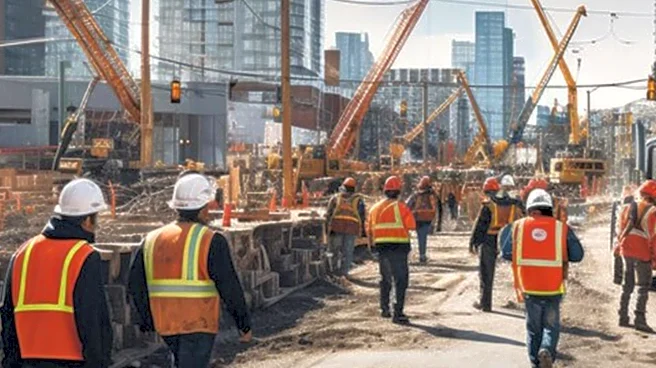
such as trailer plan tables and scattered half-size paper sets, with a cloud-synced, single source of truth accessible via phones or tablets. The software maintains a full revision history for every sheet and anchors field work directly to plan locations, making the drawing an organizing layer for tasks. Outdated drawings are a significant source of rework and field confusion, leading to substantial costs. The Construction Industry Institute (CII) identifies design errors and omissions, including inaccurate and outdated drawings, as consistent contributors to direct field rework. When crews build to superseded specifications, errors are created before work even begins, resulting in costly tear-outs and reprocessing work. For example, a project with 200 drawing sheets and six revisions can generate 1,200 document versions, increasing the risk of using incorrect information.
Why It's Important?
The widespread issue of outdated drawings and poor communication in U.S. construction projects leads to significant financial losses and operational inefficiencies. Rework, driven by these factors, consumes a meaningful share of total construction costs, directly impacting contractors' profitability and project timelines. The lack of a centralized, real-time plan management system means that critical design changes may not reach field crews promptly, leading to errors that are expensive and time-consuming to correct. This problem is compounded by the high volume of document versions and the difficulty of tracking changes in traditional paper-based or fragmented digital systems. The adoption of robust plan management software is crucial for enhancing productivity, reducing waste, and improving coordination across all project stakeholders. By ensuring that everyone works from the same current information, the industry can mitigate risks, control costs, and deliver projects more efficiently.
What's Next?
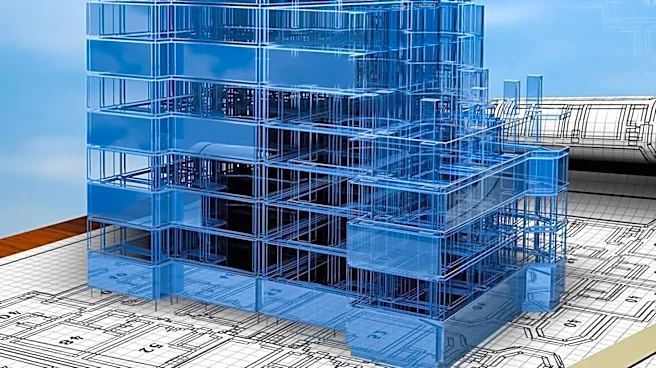
The future of construction plan management involves advanced software solutions that offer live, in-field version comparison and automatic updates. Tools like Fieldwire, for instance, allow foremen to overlay two revisions on a mobile device to identify differences before work commences. This capability, combined with features like slip-sheeting with OCR-based title block recognition and automatic callout hyperlinks, ensures that crews can quickly access and understand changes. Furthermore, markups made in the field are designed to carry forward automatically with revisions, becoming part of the as-built package for closeout. The software also integrates tasks, RFIs, and punch items directly onto plan locations, removing the need for textual descriptions and reducing misinterpretations. Offline reliability and role-based access are also key features, ensuring that plans are accessible even without signal and that the right people see the right information. The continued evolution of these tools, including integration with BIM viewers for 2D/3D model access in the field, will further enhance accuracy and efficiency.
Beyond the Headlines
The shift towards comprehensive construction plan management software represents a broader transformation in how the U.S. construction industry approaches information and collaboration. Beyond the immediate benefits of reduced rework and cost savings, these technologies foster a culture of transparency and real-time communication. The ability to track every revision and markup creates a detailed, immutable record of project evolution, which can be invaluable for dispute resolution, quality assurance, and post-construction facility management. This digital evolution also addresses the environmental impact of construction by reducing paper waste and optimizing material usage through more accurate planning. Moreover, by empowering field crews with immediate access to critical information and comparison tools, it enhances their decision-making capabilities and overall job satisfaction. The long-term implication is a more integrated, intelligent, and sustainable construction ecosystem, moving away from fragmented processes towards a unified digital workflow.