






What's Happening?
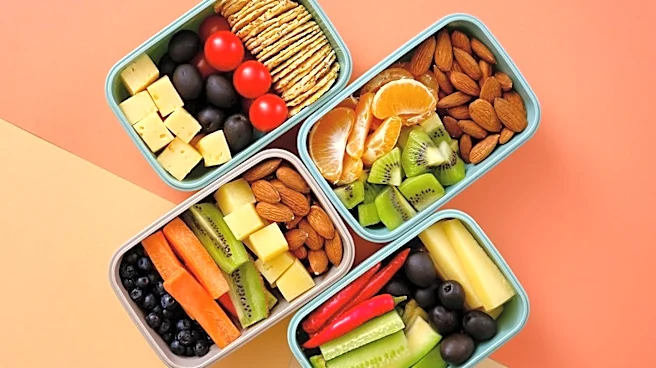
The provided source details a range of paleo meal prep ideas designed to offer variety, convenience, and adherence to the paleo diet's whole-food principles. These ideas span breakfast, lunch, weight loss, affordability, high-protein options, and even
date night meals, alongside snack suggestions. Examples include Tuna Sweet Potato Cakes, Slow Cooker Citrus Shredded Beef, Chimichurri Steak and Broccoli, and Balsamic Chicken and Mushrooms. The recipes focus on using fresh produce, lean proteins, and bold seasonings to create satisfying meals without relying on grains, dairy, or heavily processed ingredients. The emphasis is on making paleo eating practical and enjoyable through advanced preparation, allowing individuals to maintain their dietary goals with diverse and flavorful options throughout the week. The source highlights that rotating proteins, vegetables, fruits, nuts, and different seasoning styles can prevent monotony and make the paleo diet more sustainable.
Why It's Important?
The increasing popularity of meal prepping, particularly for specialized diets like paleo, reflects a broader societal shift towards health-conscious eating and time efficiency in the U.S. This trend is significant for the food industry, as it drives demand for specific ingredients and pre-packaged meal solutions catering to dietary restrictions. For individuals, adopting such meal prep strategies can lead to improved nutritional intake, better weight management, and reduced food waste, contributing to overall public health. The focus on affordable paleo options also addresses economic concerns, making healthy eating more accessible to a wider demographic. Furthermore, the convenience offered by meal prepping can alleviate daily stress related to cooking, which is particularly beneficial for busy professionals and families. This approach supports a proactive lifestyle, where dietary needs are met through thoughtful planning rather than reactive, often less healthy, choices.
What's Next?
As the demand for convenient and healthy eating solutions continues to grow, the market for paleo-friendly meal prep services and products is likely to expand. Consumers can expect to see more diverse recipe offerings, specialized ingredient kits, and potentially subscription-based meal prep services tailored to the paleo diet. Food manufacturers may also innovate to provide more ready-to-eat or semi-prepared paleo components, simplifying the meal prep process further. Additionally, there could be an increased focus on sustainable sourcing and packaging within the meal prep industry to align with growing environmental consciousness. Educational resources and online communities dedicated to paleo meal prepping are also expected to proliferate, offering more guidance and support to individuals adopting this lifestyle. The continuous evolution of dietary trends will likely influence the development of new and adapted meal prep strategies.
Beyond the Headlines
The emphasis on paleo meal prep extends beyond mere dietary adherence; it touches upon broader cultural and lifestyle implications in the U.S. It signifies a growing desire for control over one's diet and health in an increasingly fast-paced world. The act of meal prepping can be seen as a form of self-care, promoting mindfulness around food choices and reducing reliance on external, often less healthy, food options. Ethically, the focus on whole, unprocessed foods aligns with movements advocating for sustainable agriculture and reduced consumption of industrial food products. This trend also highlights a shift in consumer behavior, where convenience is no longer solely associated with fast food but also with pre-planned, nutritious meals. The long-term impact could include a re-evaluation of traditional cooking habits, with more individuals embracing structured meal planning as a fundamental aspect of their daily routine, potentially influencing household budgets and food purchasing patterns.