








What's Happening?
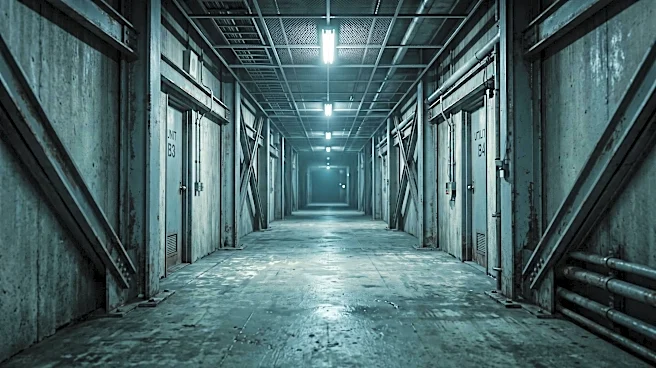
The film 'Oldboy' is being highlighted for its iconic and influential single-shot corridor fight scene, which is considered one of the greatest fight scenes in cinema history. This brutal and realistic sequence has garnered significant commendation for its impressive
execution and has inspired numerous other movies. The scene's raw, exhausting realism, achieved through a continuous shot, redefined action choreography and cinematic combat, making it a standout example of innovative filmmaking.
Why It's Important?
'Oldboy's' single-shot corridor fight scene is a landmark achievement in action cinema, demonstrating how technical prowess and creative choreography can elevate a fight sequence beyond mere violence into a powerful narrative and artistic statement. Its influence on subsequent films underscores its importance in shaping modern action filmmaking, inspiring directors to push boundaries in depicting combat. This scene's recognition highlights the value of innovative techniques in storytelling and the lasting impact that a well-executed action sequence can have on an audience and the industry as a whole. It also showcases the film's ability to blend gritty realism with artistic ambition.
What's Next?
The continued recognition of 'Oldboy's' corridor fight scene ensures its place in cinematic history and as a reference point for future action films. Filmmakers will likely continue to draw inspiration from its innovative approach to choreography and cinematography. This enduring influence contributes to ongoing discussions about the evolution of action sequences and the balance between realism and spectacle in cinema. The scene's legacy will continue to be studied in film schools and appreciated by audiences who value groundbreaking cinematic achievements.
Beyond the Headlines
The 'Oldboy' corridor fight scene transcends its technical brilliance to offer a deeper commentary on human endurance, desperation, and the psychological toll of violence. The single-shot format immerses the viewer directly into the protagonist's struggle, creating a visceral and claustrophobic experience that mirrors his trapped existence. This artistic choice elevates the scene from a simple action sequence to a profound exploration of character and theme. Its impact lies not just in its visual spectacle but in its ability to convey emotional depth and narrative tension through sustained, unedited action, making it a powerful example of how form can enhance content in filmmaking.