
What's Happening?
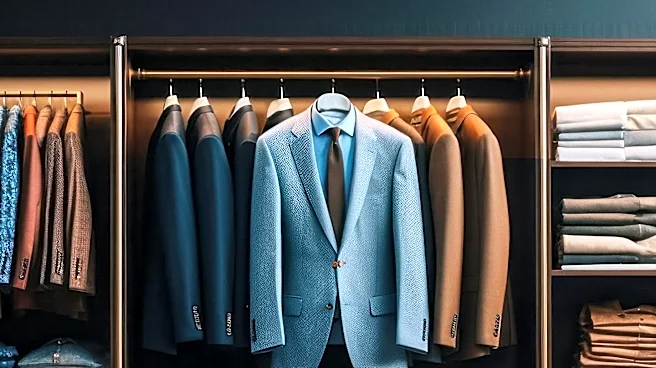
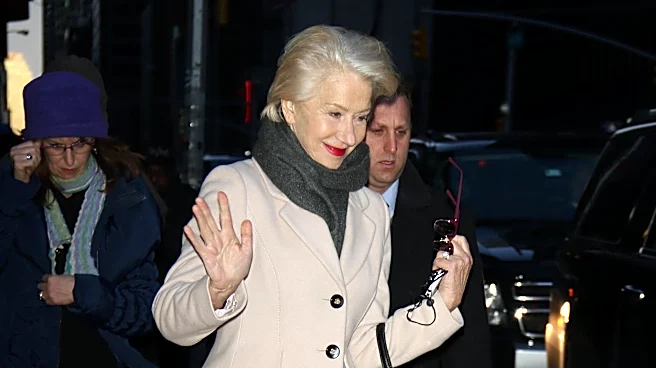
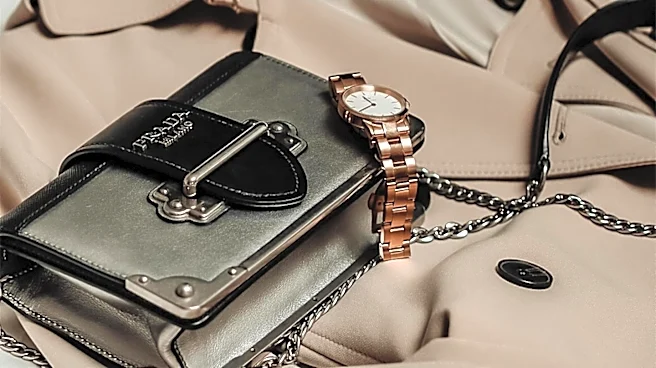
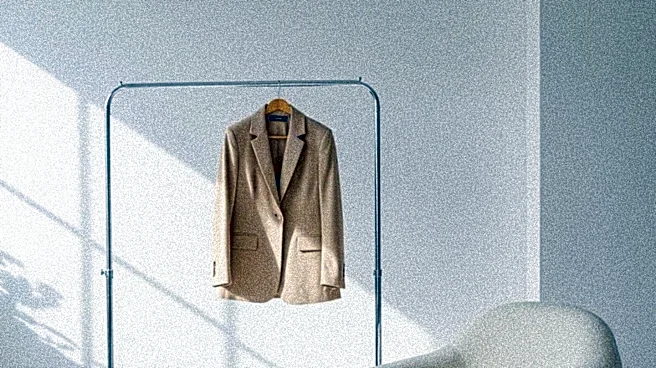
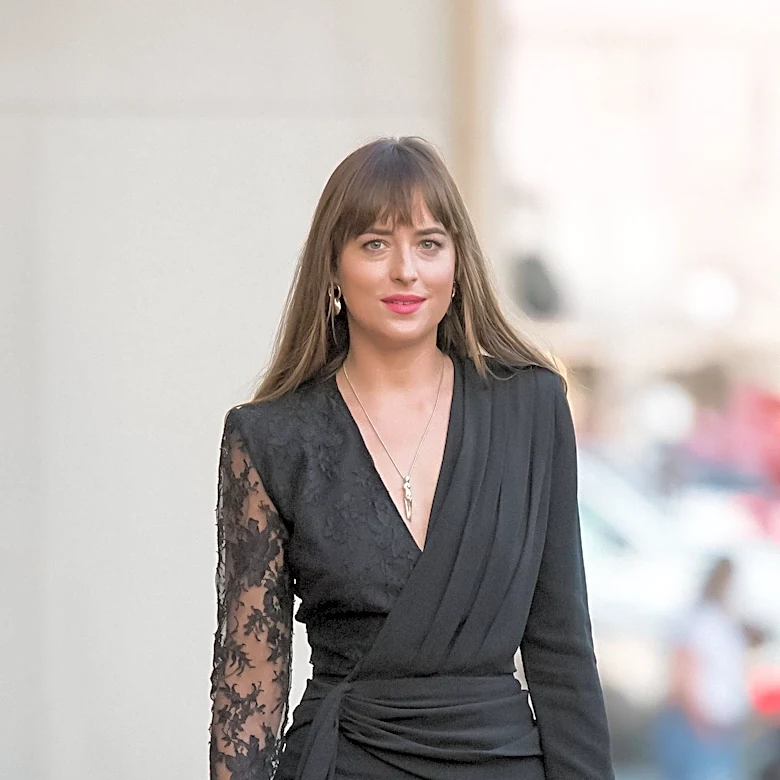
Quiet luxury is an emerging trend characterized by an understated, high-quality aesthetic in both fashion and interior design. This style prioritizes craftsmanship and subtle elegance over overt branding or conspicuous consumption. In fashion, it signals
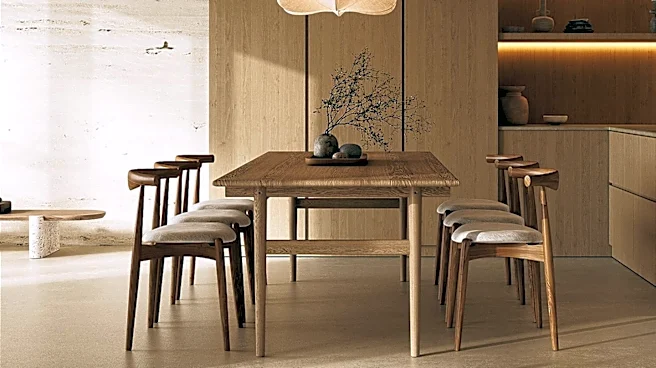
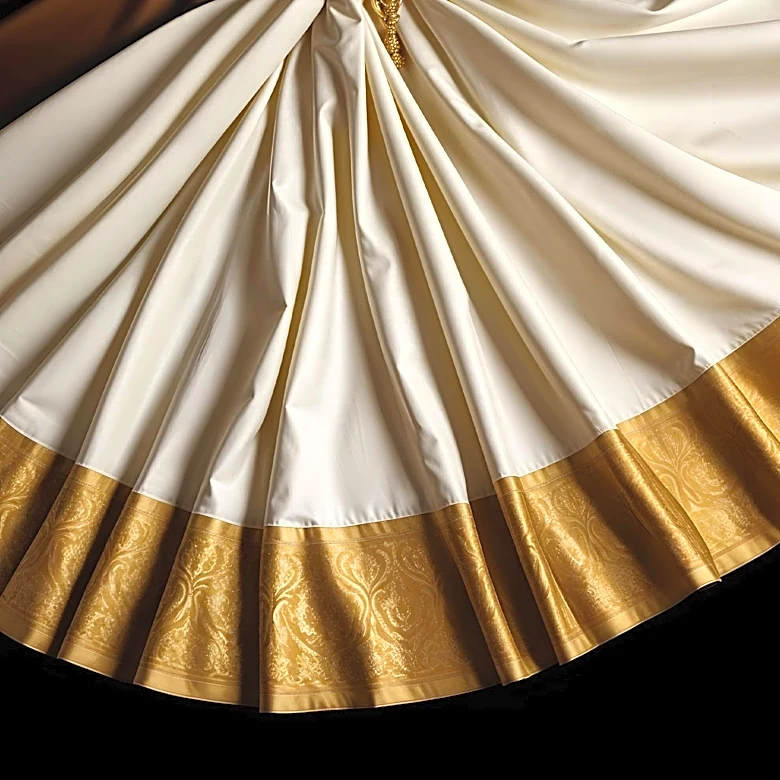
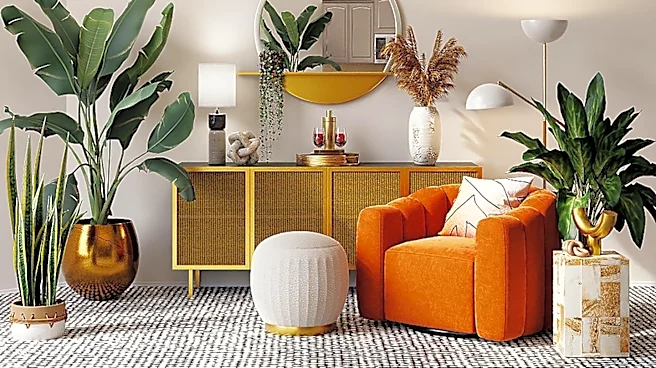
quality and wealth through refined designs rather than prominent logos. For interior design, quiet luxury focuses on creating calm and sophisticated spaces using exceptional materials, meticulous lighting, refined detailing, and restrained color palettes. The approach aims for longevity and comfort, with materials that acquire character over time, such as unlacquered brass developing a patina or solid oak deepening in color. This trend contrasts with more ostentatious displays of wealth, favoring a more personal and enduring sense of luxury.
Why It's Important?
The rise of quiet luxury reflects a shift in consumer values, particularly among affluent demographics. This trend impacts U.S. industries by influencing product development and marketing strategies in fashion, home goods, and even beauty sectors. Brands that can deliver high-quality, durable, and subtly luxurious products are likely to gain market share, while those relying heavily on overt branding may need to adapt. For consumers, it offers an alternative to fast fashion and disposable trends, promoting investment in timeless pieces. This emphasis on quality and longevity could also have environmental implications, encouraging less consumption and more sustainable practices. The trend suggests a growing appreciation for intrinsic value and personal comfort over external validation through brand display.
What's Next?
The quiet luxury trend is expected to continue influencing consumer choices and industry offerings. Fashion and interior design brands will likely further integrate principles of understated elegance, focusing on material quality, craftsmanship, and timeless aesthetics. We may see an increase in demand for bespoke items and custom solutions that cater to individual preferences for subtle sophistication. Retailers might adjust their merchandising to highlight the intrinsic value and durability of products rather than just brand recognition. This could also lead to a re-evaluation of pricing strategies, where the cost is justified by superior materials and construction rather than marketing hype. The trend's longevity will depend on its ability to evolve with changing consumer needs while maintaining its core values of quality and discretion.
Beyond the Headlines
Beyond its immediate impact on consumer markets, quiet luxury touches upon deeper cultural and psychological shifts. It suggests a move away from performative consumption towards a more private and personal experience of luxury. This could be interpreted as a response to an increasingly noisy and brand-saturated world, where discretion and authenticity become new markers of status. Ethically, it promotes a more sustainable consumption model by valuing durability and timelessness, potentially reducing waste associated with fleeting trends. Legally, the emphasis on craftsmanship and material quality might lead to increased scrutiny of product claims and a greater demand for transparency in supply chains. Culturally, it could foster a renewed appreciation for artisanal skills and traditional manufacturing techniques, influencing educational and vocational training in design and craft.