









What's Happening?
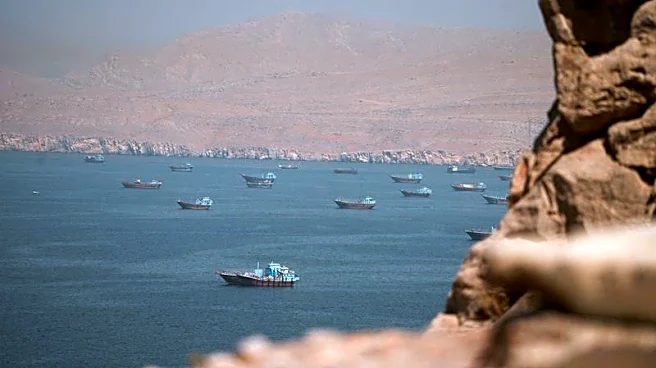
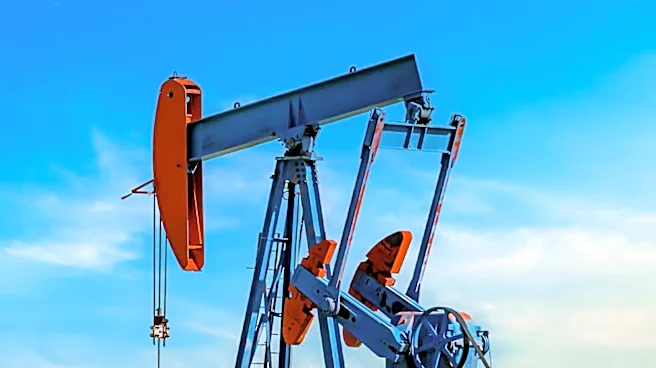
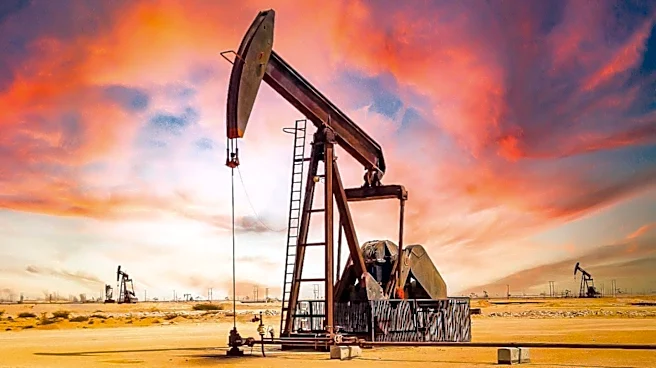
China's strategic use of its crude oil reserves has helped stabilize global oil prices despite disruptions in the Middle East, particularly the Strait of Hormuz. As Iran's actions threatened to escalate oil prices, China's reduced oil imports and reliance
on its reserves have cushioned the impact. This strategy has kept oil prices from reaching crippling levels, as China, the largest crude oil buyer, adjusted its imports to manage costs and maintain economic stability.
Why It's Important?
China's approach to managing its oil reserves highlights its significant influence on global energy markets. By strategically reducing imports and utilizing reserves, China has not only stabilized its economy but also mitigated potential global economic disruptions. This underscores the interconnectedness of global energy markets and the critical role of major economies in maintaining market stability. The situation also emphasizes the importance of strategic reserves in national energy policies and the potential for geopolitical events to impact global markets.
What's Next?
As the situation in the Middle East evolves, China's future actions regarding its oil reserves and imports will be closely watched. Analysts suggest that China may increase imports once prices stabilize, potentially impacting global oil markets. Additionally, the ongoing transition to renewable energy sources may influence China's long-term energy strategy, affecting its reliance on fossil fuels and its role in global energy dynamics.