


What's Happening?
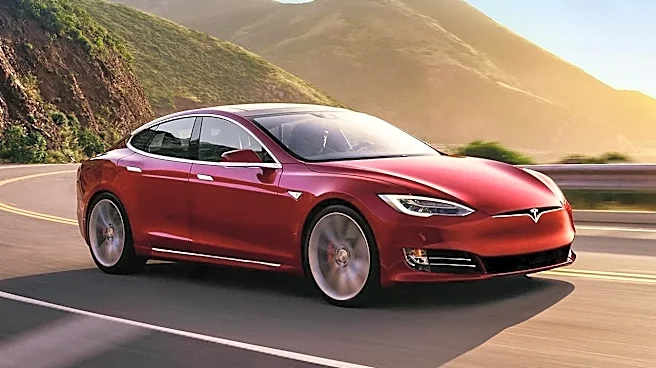
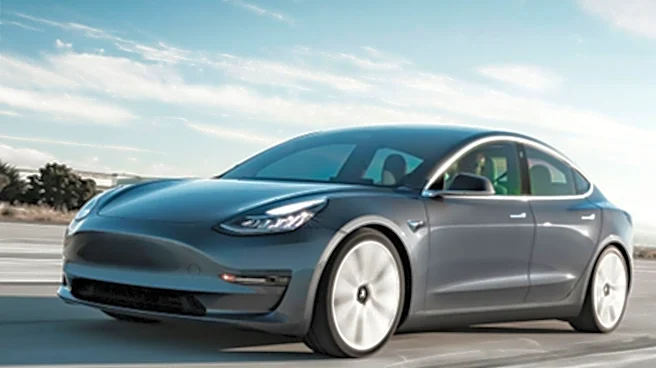
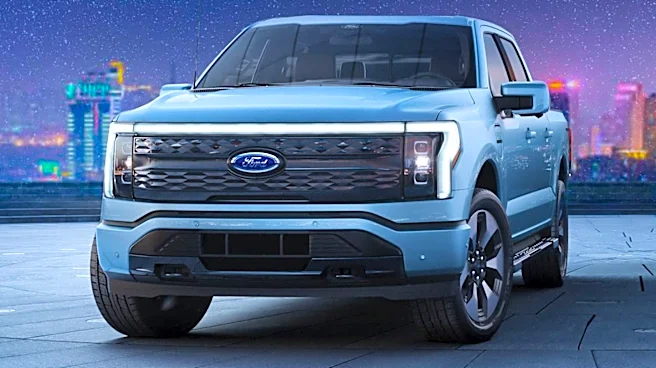
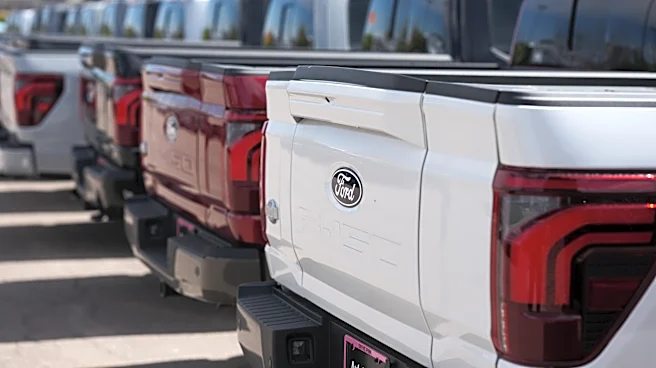
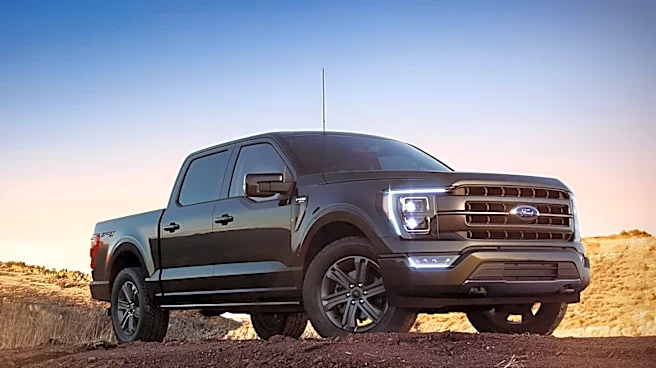
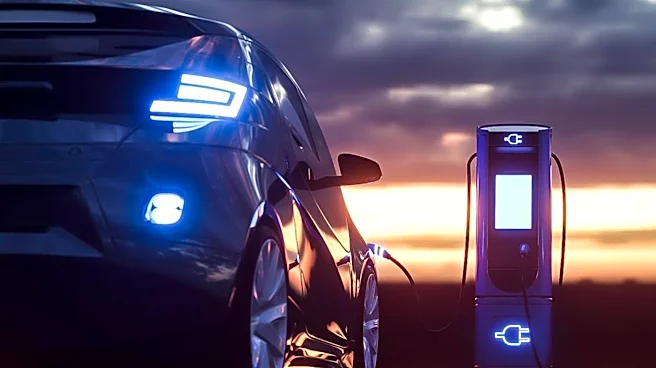
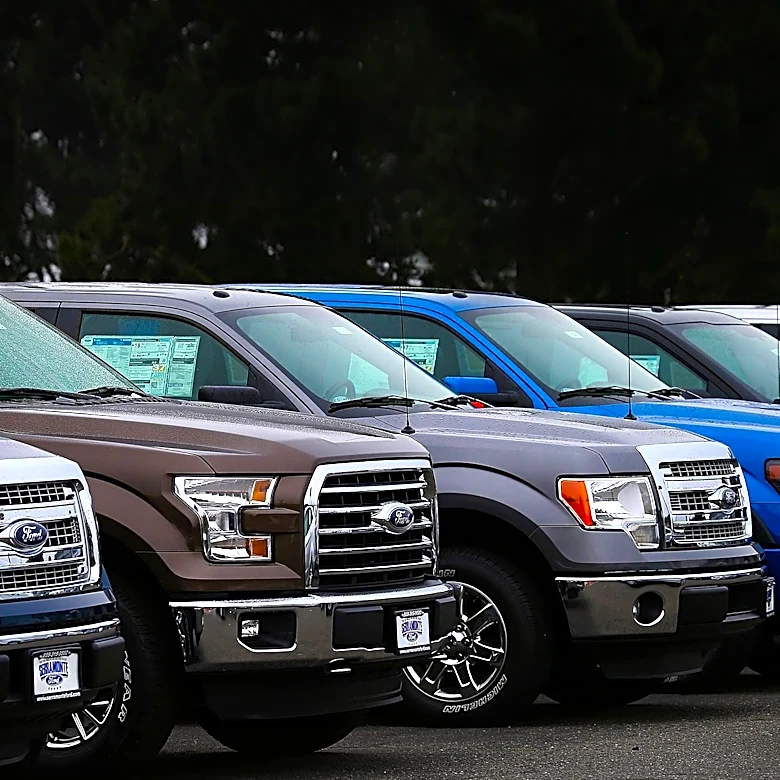
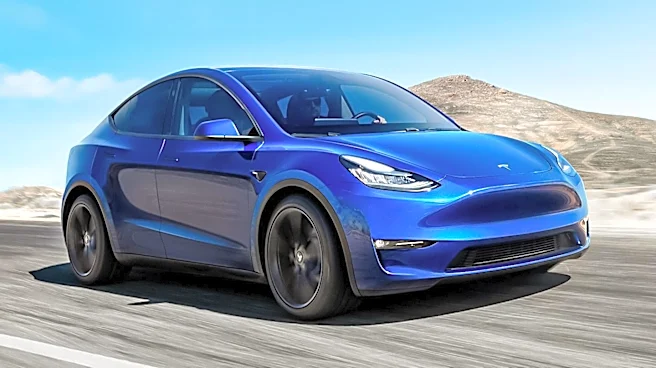
As electric vehicle (EV) sales growth slows, automakers are increasingly marketing their vehicles as potential backup power sources for homes. Companies like Ford, Kia, Tesla, and GM are developing technologies that allow EVs and hybrids to power homes during
outages. This new feature is being promoted as a cost-effective alternative to traditional backup generators. The shift comes as EV sales have decreased by 23.8% year-over-year in the first half of 2026, prompting automakers to explore new business angles for their EV investments.
Why It's Important?
This development is significant as it highlights the evolving role of EVs in the energy landscape. By positioning EVs as backup power sources, automakers are tapping into the growing demand for energy resilience and sustainability. This strategy could drive consumer interest in EVs, particularly in regions prone to power outages. It also reflects broader trends in the energy sector, where distributed energy resources are becoming increasingly important. However, challenges remain, including regulatory hurdles and the need for consumer education on managing new power sources.
What's Next?
Automakers are expected to continue developing and refining vehicle-to-home and vehicle-to-grid technologies. This could involve partnerships with utility companies to streamline interconnection processes and ensure safety standards. As the technology matures, it may become a standard feature in new EV models, further integrating transportation and energy systems. The success of this initiative could influence future EV adoption rates and shape the direction of the automotive industry.