





What's Happening?
Intel Corporation has announced a definitive agreement to acquire Classiq, a prominent quantum computing software provider. This acquisition aims to integrate Classiq’s quantum algorithm synthesis platform with Intel’s existing quantum software and silicon
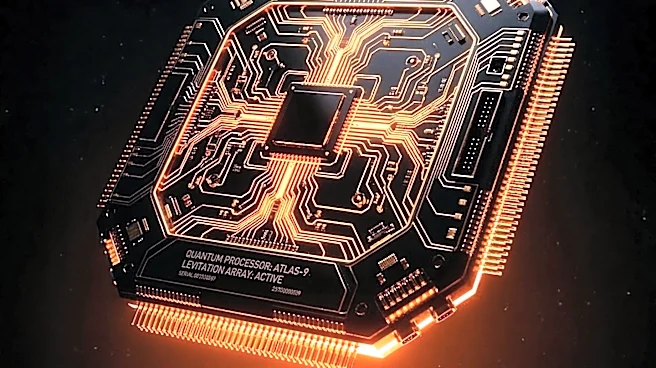
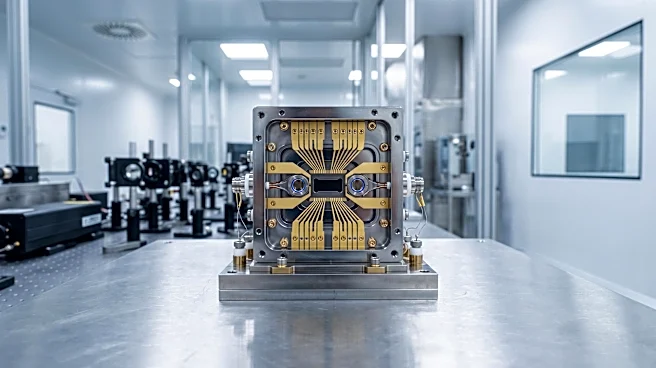
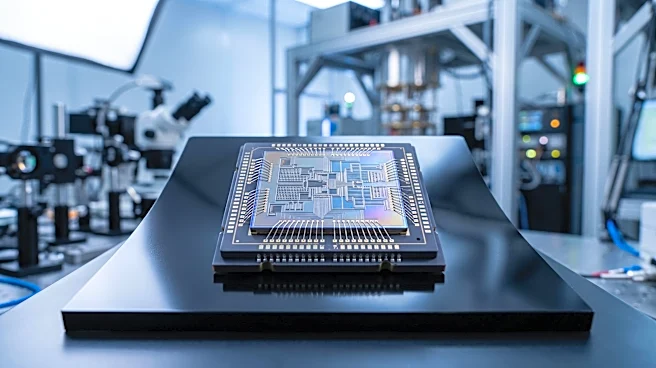
spin-qubit manufacturing capabilities. The goal is to establish a user-friendly, full-stack quantum computing platform. This strategic move is intended to accelerate the maturation of quantum technology into a mainstream computing business. Intel, which has been investing in quantum computing since 2015, currently possesses the ability to produce qubit chips and complex cryogenic control electronics at scale using conventional silicon-based semiconductor manufacturing processes. Classiq’s platform is designed to enable the development of scalable and efficient quantum applications without requiring extensive expertise in quantum circuit design, offering a hardware-agnostic software solution. The transaction is subject to regulatory approvals and other customary closing conditions, with an expected closure in the first half of 2027. Until then, both companies will operate independently.
Why It's Important?
This acquisition is significant for the quantum computing industry as it positions Intel to become a comprehensive full-stack quantum solutions provider. By combining hardware manufacturing prowess with advanced software, Intel aims to democratize access to quantum computing, making it more practical and accessible for a wider range of users and enterprises. The integration of Classiq’s automated synthesis platform could streamline the development of quantum applications, moving beyond custom-crafted circuits to a more scalable and mainstream approach. This could accelerate the adoption of quantum computing across various sectors, including cloud computing, artificial intelligence, financial services, healthcare, and critical infrastructure. For Intel, this move diversifies its compute platform portfolio, adding Quantum Processing Units (QPUs) alongside its existing CPUs, GPUs, and ASICs, thereby strengthening its competitive position in the evolving technology landscape. The emphasis on a hardware-agnostic software solution also suggests a commitment to fostering an open and collaborative quantum software ecosystem.
What's Next?
Following the anticipated closure of the acquisition in the first half of 2027, Intel plans to continue supporting Classiq’s existing multi-platform integrations. This commitment aims to ensure that the software remains modality- and hardware-agnostic, fostering an open quantum software ecosystem. The immediate next steps involve navigating the regulatory approval process and fulfilling other closing conditions. Once integrated, Intel will focus on combining its quantum software platform, scalable silicon spin-qubit technology, and advanced semiconductor manufacturing expertise with Classiq’s automated quantum algorithm synthesis platform. This will involve leading Classiq’s technology strategy, product development roadmap, engineering coordination, and technical integration initiatives. The long-term vision includes accelerating the development, integration, and commercialization of quantum-safe cybersecurity solutions and other quantum applications, with a focus on scalability and interoperability to drive broader commercial deployment.
Beyond the Headlines
The acquisition of Classiq by Intel highlights a broader trend in the technology sector: the race to establish dominance in the nascent but rapidly evolving field of quantum computing. This move underscores the recognition that both robust hardware and sophisticated software are crucial for unlocking the full potential of quantum technology. The analogy drawn between Classiq’s role in quantum computing and Electronic Design Automation (EDA) in classical chip design suggests a paradigm shift towards abstracting complexity, which is essential for widespread adoption. This could lead to a future where quantum computing is not just a niche scientific endeavor but a foundational technology accessible to a diverse range of developers and businesses. However, the success of this integration will depend on overcoming significant technological and commercial challenges, including the inherent uncertainties in quantum computing development and the intense competition in the semiconductor industry. The emphasis on quantum-safe cybersecurity solutions also points to the critical security implications of quantum advancements, as current encryption methods are vulnerable to future quantum attacks.