








What's Happening?
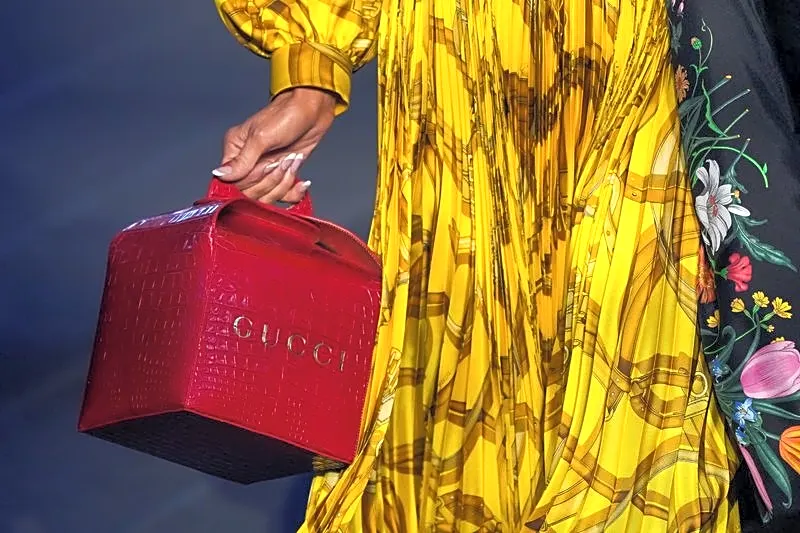
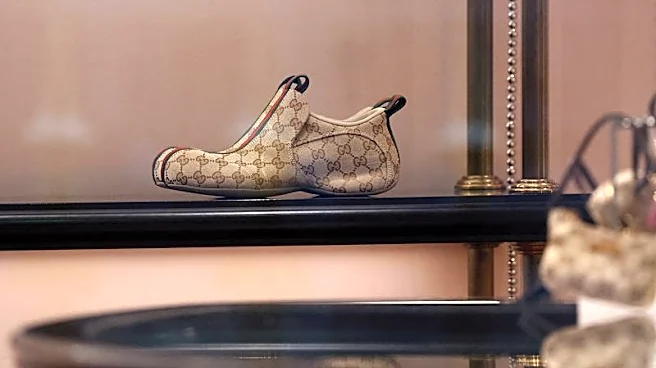
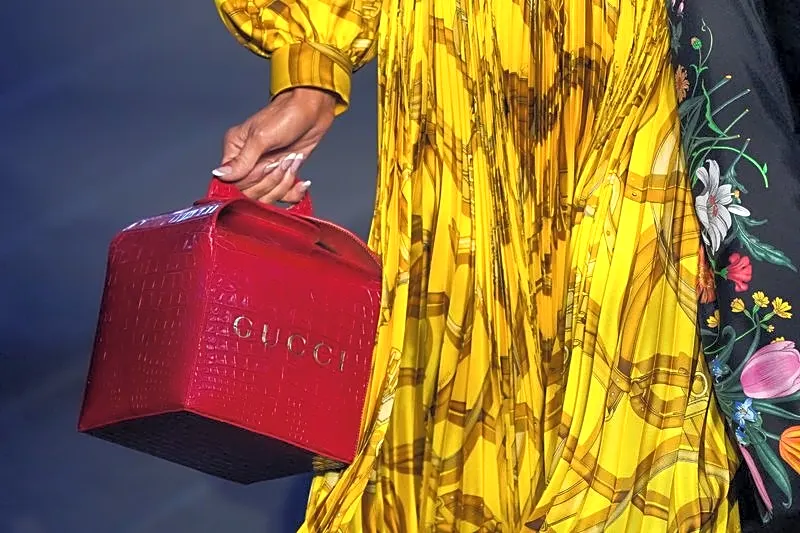
Fashion houses are increasingly extending their influence beyond apparel into interior design, transforming how homes are furnished and styled. Brands like Armani/Casa, Versace Home, Loro Piana Interiors, Hermès Maison, Dolce & Gabbana Casa, Missoni Home, and Gucci
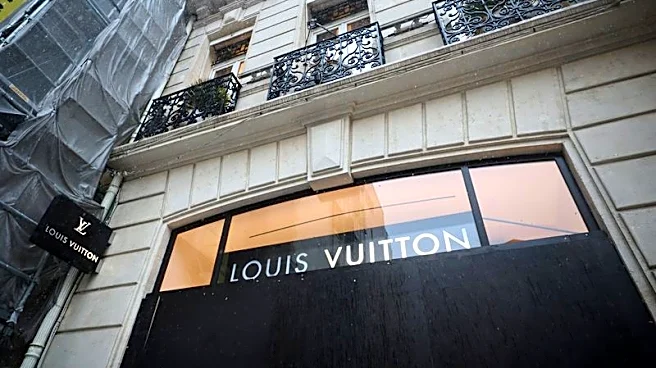
Décor have established dedicated homeware lines, with Louis Vuitton opening its first homeware space in Paris in 2024. This shift is driven by both economic factors, as the luxury home furnishings market is growing while apparel growth has flattened, and evolving consumer desires for statement living. Fashion brands leverage their expertise in materials, craftsmanship, and aesthetics to create high-end furniture and decor, often showcasing their collections at events like Milan Design Week, where they now draw larger crowds than some traditional furniture manufacturers.
Why It's Important?
This trend signifies a significant convergence of the fashion and interior design industries, impacting consumer choices, manufacturing standards, and design aesthetics. Fashion houses bring a new level of precision and material expertise to home furnishings, setting higher standards for quality and detail that other manufacturers must now meet. The influence trickles down to mainstream interiors through color palettes, texture layering, and proportion play, making runway trends visible in everyday homes. This expansion creates new revenue streams for luxury brands and offers consumers a more cohesive lifestyle branding experience. It also challenges traditional boundaries between design disciplines, fostering innovation and cross-pollination of ideas, while also raising questions about accessibility and the democratization of high-end design.
What's Next?
The integration of fashion and interior design is expected to continue and deepen. More fashion brands are likely to launch or expand their homeware divisions, further saturating the luxury home furnishings market. We can anticipate increased collaborations between fashion designers and interior architects, leading to more integrated and branded living spaces. The influence of runway trends on home decor will likely become even more immediate, with color and texture forecasts quickly translating into interior palettes. This trend may also push independent furniture makers and renovators to adopt higher standards of precision and customization to meet consumer demands for couture-inspired interiors, even on more realistic budgets.
Beyond the Headlines
Beyond the commercial aspects, this phenomenon reflects a broader cultural shift towards lifestyle branding and the desire for curated, aesthetically cohesive living environments. Consumers are increasingly seeking to express their identity through their homes as much as through their clothing. This trend blurs the lines between personal style and living space, turning homes into extensions of individual or brand identities. It also raises ethical considerations regarding sustainability in home furnishings, as luxury brands often emphasize craftsmanship and durability, potentially counteracting the 'fast furniture' trend. However, it also highlights the exclusivity of high-end design, making luxury aesthetics aspirational but often unattainable for the average consumer, thus perpetuating a divide in design access and influence.